The Dak Lak Zero-Waste Tourism campaign is gradually spreading a green lifestyle, helping to shape an environmentally friendly tourism ecosystem.
At Xom Bien Homestay in Tuy Hoa Ward, the zero-waste accommodation model has been implemented since 2023. Under the model, the homestay has replaced most plastic items with environmentally friendly alternatives made from materials such as bamboo and paper; placed waste-sorting bins throughout the premises; and used organic waste to make compost for plants.
 |
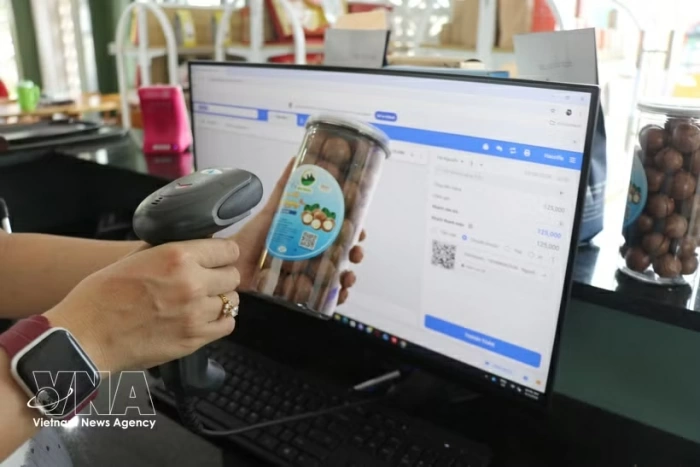
| Tourists use environmentally friendly bags to carry agricultural products. |
Meanwhile, Sanchi Homestay in Binh Kien Ward has also embraced green practices. Ms. Nguyen Thi Thanh Huyen, the owner, said the establishment regularly works with local residents and socio-political organisations on campaigns such as coastal clean-ups and initiatives to prevent littering and environmental pollution, alongside efforts to raise visitors’ awareness of landscape protection.
These are two of the province’s 20 green destinations featured in the Green Destinations section of the Dak Lak travel guide. Through this channel, visitors can easily discover environmentally friendly destinations for their journeys of exploration.
More experiences - Less emissions
The Dak Lak Zero-Waste Tourism campaign, organised by GreenHub, the Centre for Supporting Green Development, has been implemented in the eastern part of the province since February 2026. A key feature of the campaign is its network of partners, including Facebook channels and fan pages, vloggers and travel KOLs. These partners experience sustainable tourism first-hand while helping spread the message, “More experiences - Less emissions”.
As part of the campaign, travel blogger Dao Minh Tien, owner of the “De Men Du Ky” channel, has undertaken numerous experiential journeys from Van Hoa Plateau to coastal fishing villages. In addition to showcasing the natural beauty and the simple, close-knit lives of local residents, the channel promotes green tourism by encouraging practical actions such as carrying cloth or other environmentally friendly bags when purchasing agricultural products and using personal water bottles.
 |
| Visitors bring personal water bottles instead of using single-use plastic bottles, helping to reduce plastic waste. |
Journeys undertaken by travel KOLs and widely shared on social media platforms such as Facebook, Instagram and TikTok have generated a strong response among local residents, particularly young people.
According to Mr. Nguyen Bao Han, GreenHub’s project coordinator, maintaining a zero-waste lifestyle while travelling depends not only on each individual’s awareness and discipline, but also on a tourism ecosystem that makes green choices easy and convenient to adopt.
In addition, a network of green destinations can encourage businesses to adopt sustainable practices as visitors increasingly seek responsible services, including reduced reliance on single-use plastics, waste sorting and locally sourced products.
The future of tourism is not only about destinations, but also about the emotions and experiences visitors take away from each journey. What brings them back is a green, clean and civilised environment, together with the commitment of local comunities and tourism workers to preserving the landscape.
Translated by KHUONG THAO