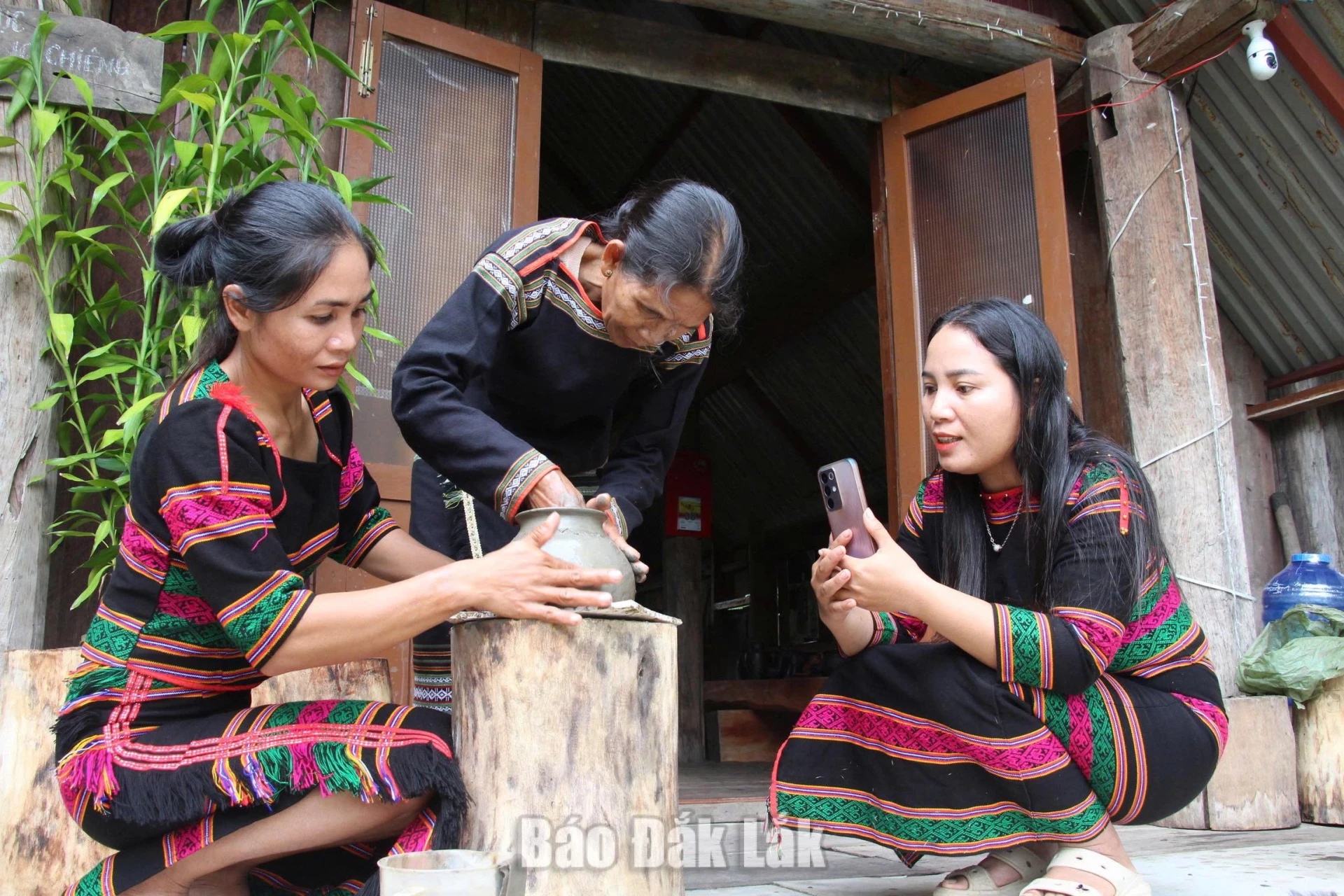
Amid rapid urbanisation, “villages within the urban area”, the traditional living spaces inhabited by ethnic minority communities, are facing mounting pressure to transform. The challenge is to ensure harmonious planning that balances the preservation of cultural identity with economic development, while retaining the spirit of the great highlands.
Under the general plan towards 2050, Buon Ma Thuot is set to adopt a multi-polar, multi-centred model, featuring specialised growth hubs. Among the most distinctive features is its 32 traditional villages, scattered across the urban area.
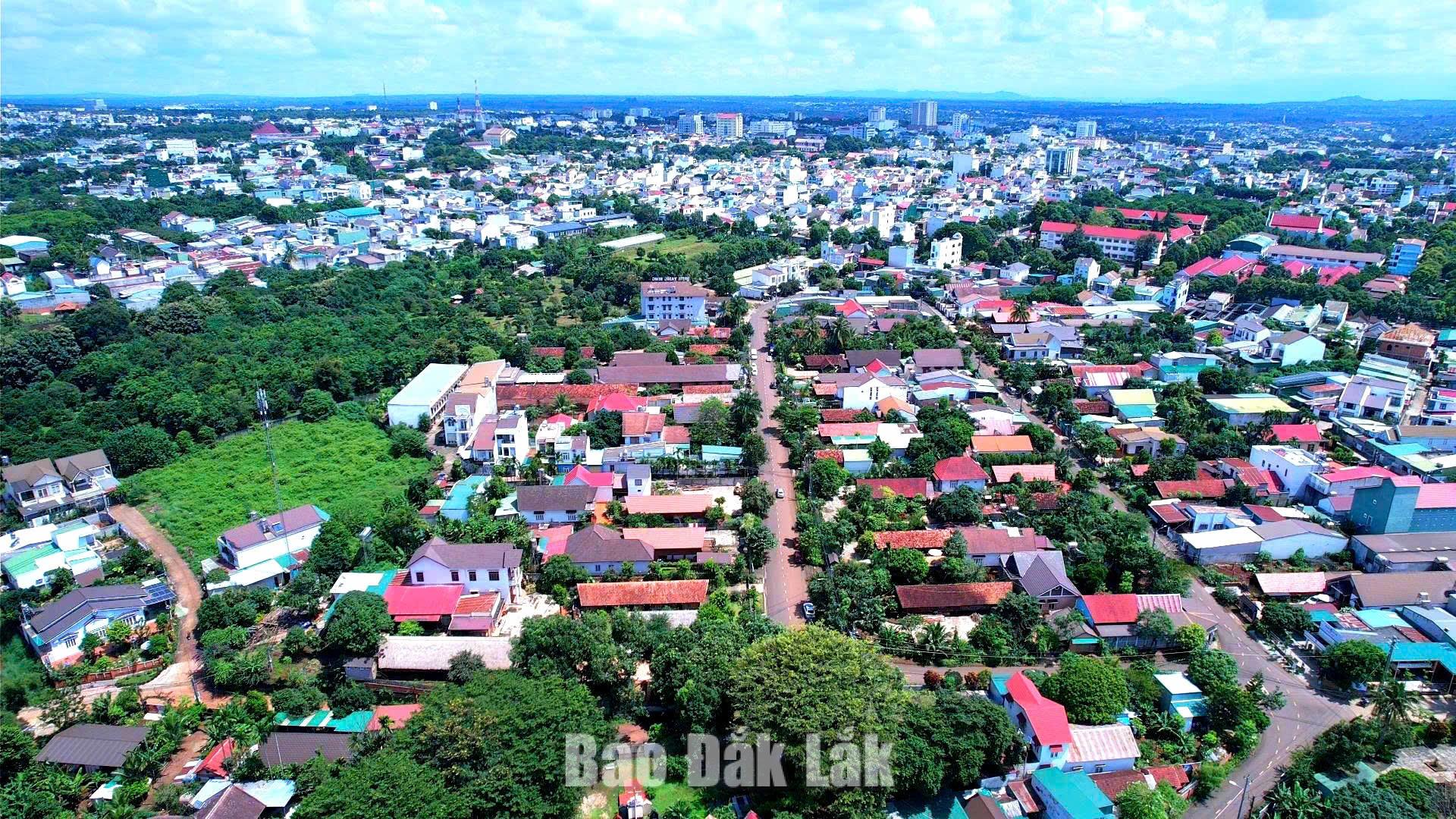 |
| Ako Dhong village, one of the provincial typical community-based tourism destinations in Dak Lak. |
The planning orientation clearly stipulates the preservation of the existing spatial structure, longhouse architecture and communal water sources in traditional villages within the urban area. This will be realised through spatial planning that reflects ecological diversity, with open spaces encompassing spring systems alongside green corridors identified as the natural structural framework.
Comrade Luong Nguyen Minh Triet, Member of the Party Central Committee, Secretary of the Provincial Party Committee and Head of the Provincial National Assembly Delegation, stressed that Buon Ma Thuot must modernise while retaining its identity. It does not need to replicate the models of major cities elsewhere, but should establish its own distinctive identity rooted in the grandeur of the Central Highlands, coffee culture, the cultures of ethnic groups in the Central Highlands combined with the highland ecosystem. Greater attention must be paid to preserving village spaces, longhouses, communal water sources and gong culture, supporting artisans in passing on traditional cultural practices, while developing community-based tourism that enables local people to participate directly and benefit from it.
Striking a balance between preservation and development
Despite the existing planning orientation, villages within the city continue to face infrastructure pressures as urban areas expand, bringing increased demand for transport, wastewater treatment, waste management and essential facilities.
Mr. Le Hung, Deputy Director of the Department of Construction, noted that in areas with cultural and landscape value alongside traditional villages, urban improvement must go hand in hand with the preservation of community spaces, indigenous architecture and distinctive cultural values. Tourism development should also be linked to local livelihoods.
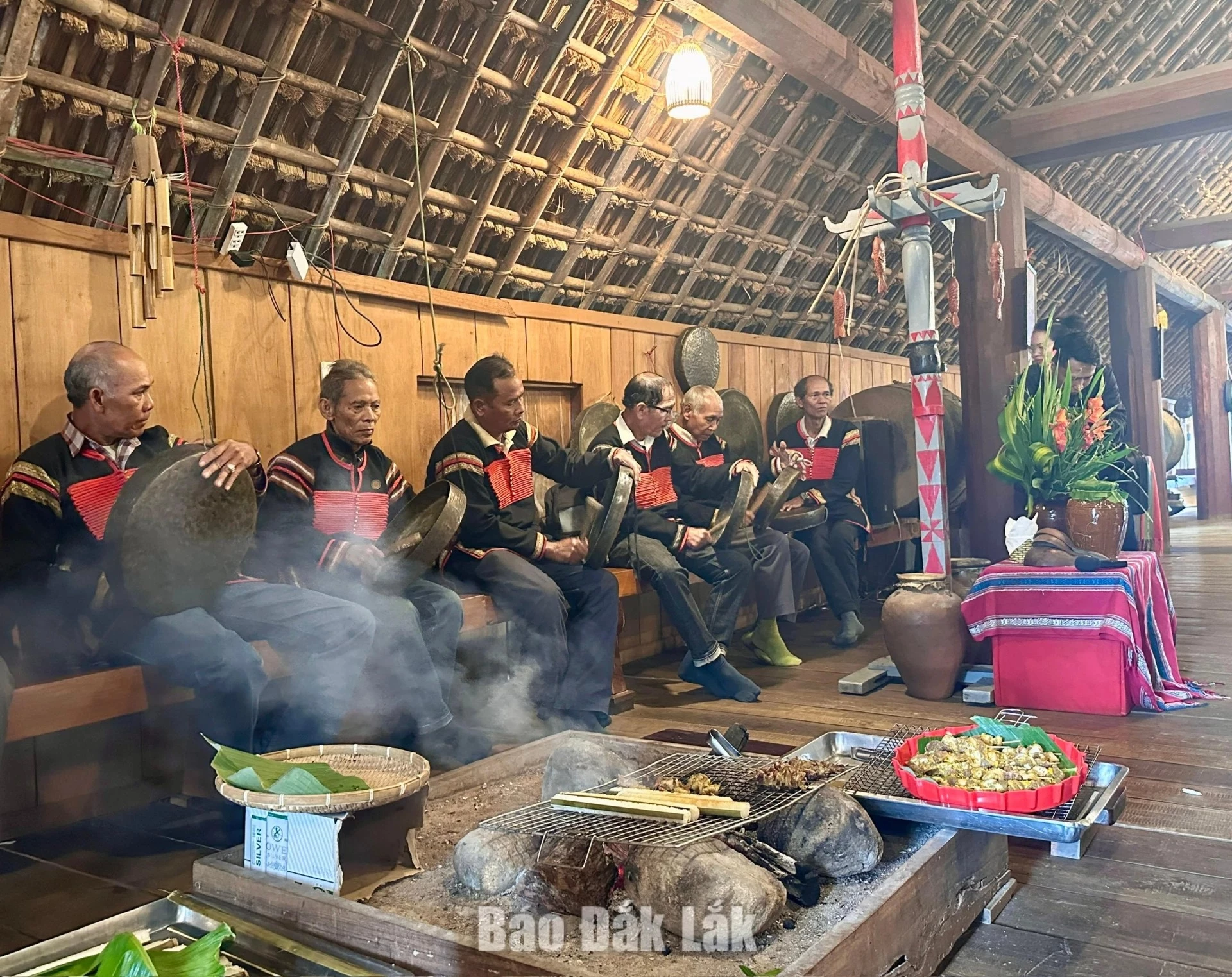 |
| Artisans performing gong music for visitors at Ako Dhong village. |
In practice, the plan envisages developing nature-based, experiential and cultural tourism along the Serepok River. Capitalising on village life, gong performances along with local cuisine will create distinctive tourism products, encourage longer visitors' stays and increase the economic returns from tourism. Tourism products will also be diversified around Ea Kao Lake, the Ko Tam Community Cultural Tourism Area, alongside destinations offering coffee and village cultural experiences, gradually establishing a network known as the “Coffee City Map”.
Ea Kao Ward is a notable example of this approach, with 10 ethnic minority villages and approximately 1,900 hectares of coffee plantations yielding more than 5,000 tonnes. The locality is now facing significant opportunities as the province plans to attract high-end golf course together with resort villa projects to the area.
Mr. Do Duc Ha, Chairman of the Ea Kao Ward People's Committee, said: “We aim to develop a distinctive resort destination with services of sufficient quality to attract and retain both domestic coupled with international visitors. The area will offer unique experiences based on the cultural values of its 10 ethnic minority villages, closely intertwined with coffee culture, particularly Vietnamese speciality coffee.”
The general plan through 2050 has laid a solid foundation for this approach. However, for “villages within the urban area” to receive the attention and priority they deserve, key infrastructure must be developed in advance to pave the way for connecting projects. Most importantly, ethnic minority communities need to be empowered as well as provided with sustainable livelihoods, enabling them to take the lead in safeguarding, preserving and promoting their heritage amid the pace of modern urban life.
Translated by KHUONG THAO