Several of Dak Lak’s economic growth indicators for the first nine months of 2026 fell short of the planned scenario, placing considerable pressure on the remainder of the year. The province is stepping up efforts to fulfil its annual targets and tasks, aiming for growth of 10.02%.
Under Plan No. 435/KH-UBND dated October 19, 2026, on implementing the economic management scenario for the final quarter to ensure growth of at least 10% in 2026, the province has identified seven key management targets for the fourth quarter. Specifically, GRDP is projected to grow by 13.63%, reaching approximately 103.704 trillion VND at current prices; total social investment capital is expected to reach approximately 34.586 trillion VND; budget revenue, 7.254 trillion VND; the industrial production index is targeted to increase by 21.3%; total retail sales of goods and consumer service revenue are projected at approximately 58.198 trillion VND; exports at 765 million USD; along with total tourism revenue at approximately 3.390 trillion VND.
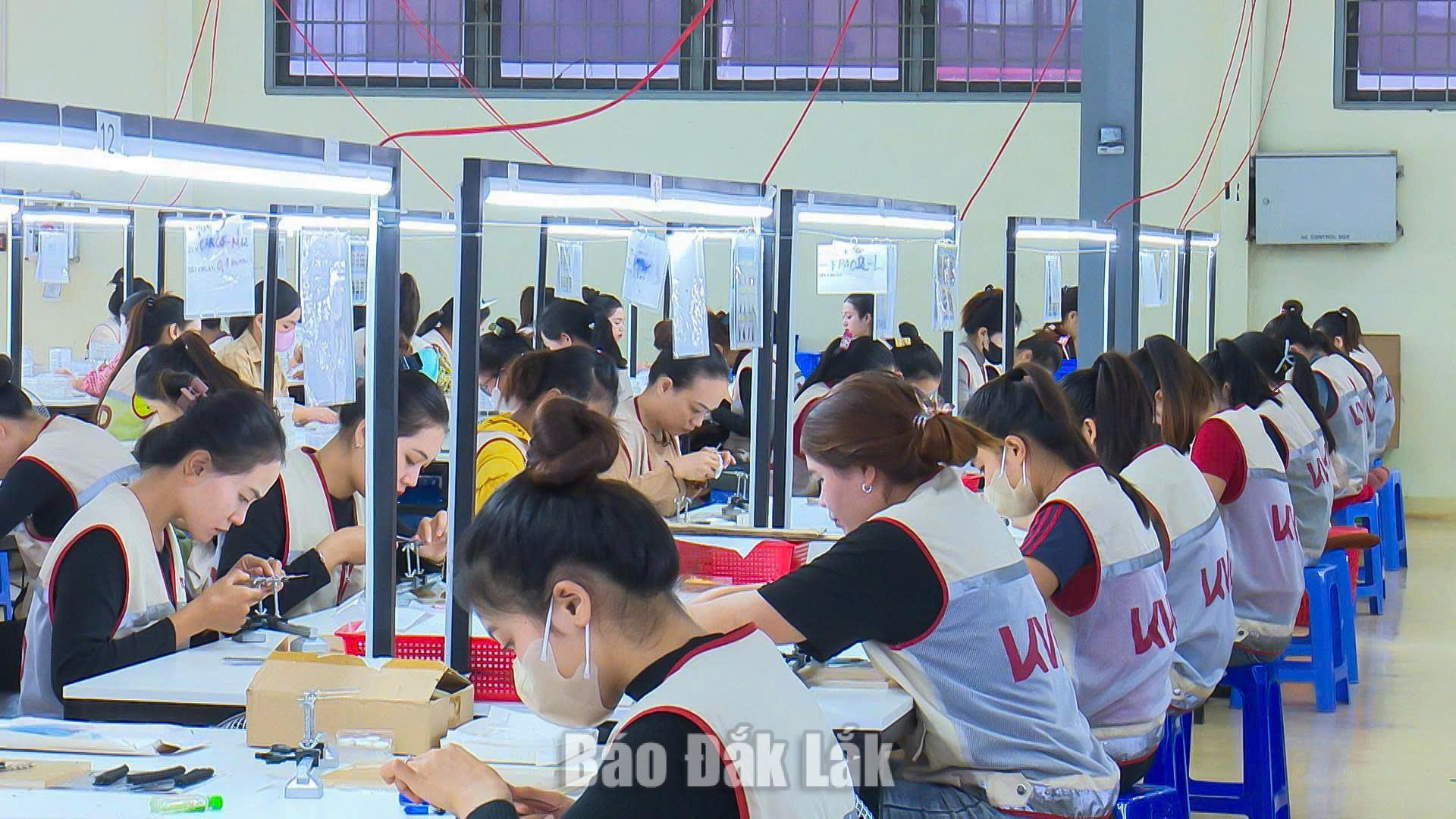 |
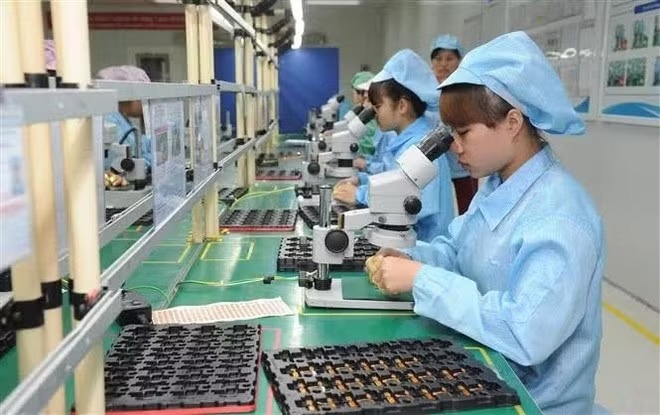
| Workers at KDV Vina Company Limited (Tan An Industrial Cluster, Tan An Ward). |
Comrade Cao Dinh Huy, Director of the Department of Finance, said the provincial guiding principle was to translate resources into tangible output, completed work and disbursement from October 2026 onwards. Each result must be linked to the accountability of the head of the relevant organisation. Reports must clearly specify completion rates, resources, deadlines, personnel combined with the authority responsible for resolving each issue.
In addition, the province has assigned responsibilities across three levels: PPC Vice Chairmen are to direct alongside monitor implementation in their respective fields; heads of departments, agencies and sectors are to lead advisory work as well as take responsibility for deliverables and data; while chairmen of commune- and ward-level People’s Committees are to be accountable for implementation within their respective localities.
According to Comrade Truong Ngoc Tuan, Director of the Department of Home Affairs, implementation of the growth scenario must be linked to a list of deliverables and tasks under key performance indicators (KPIs). Specifically, heads of agencies coupled with units must be accountable for the KPIs they register. The departments and sectors assigned oversight responsibilities will determine targets as well as verify the data, while the Department of Home Affairs will compile the registration documents for submission to the PPC Office.
Clear accountability for personnel, tasks and deliverables
To meet the growth targets, the province has identified key priorities as urgently making up the growth shortfall, maximising existing capacity and bringing new capacity into operation. Actual implementation progress together with disbursement are to serve as benchmarks for investment performance.
Simultaneously, the province will promote production, business activity and market development, with management measures tailored to each key product; stimulate consumption, tourism combined with exports; focus on budget revenue and mobilise resources from land and public assets; as well as tighten implementation discipline by linking performance to the accountability of heads of organisations and KPIs, identifying while addressing shortfalls as soon as they arise.
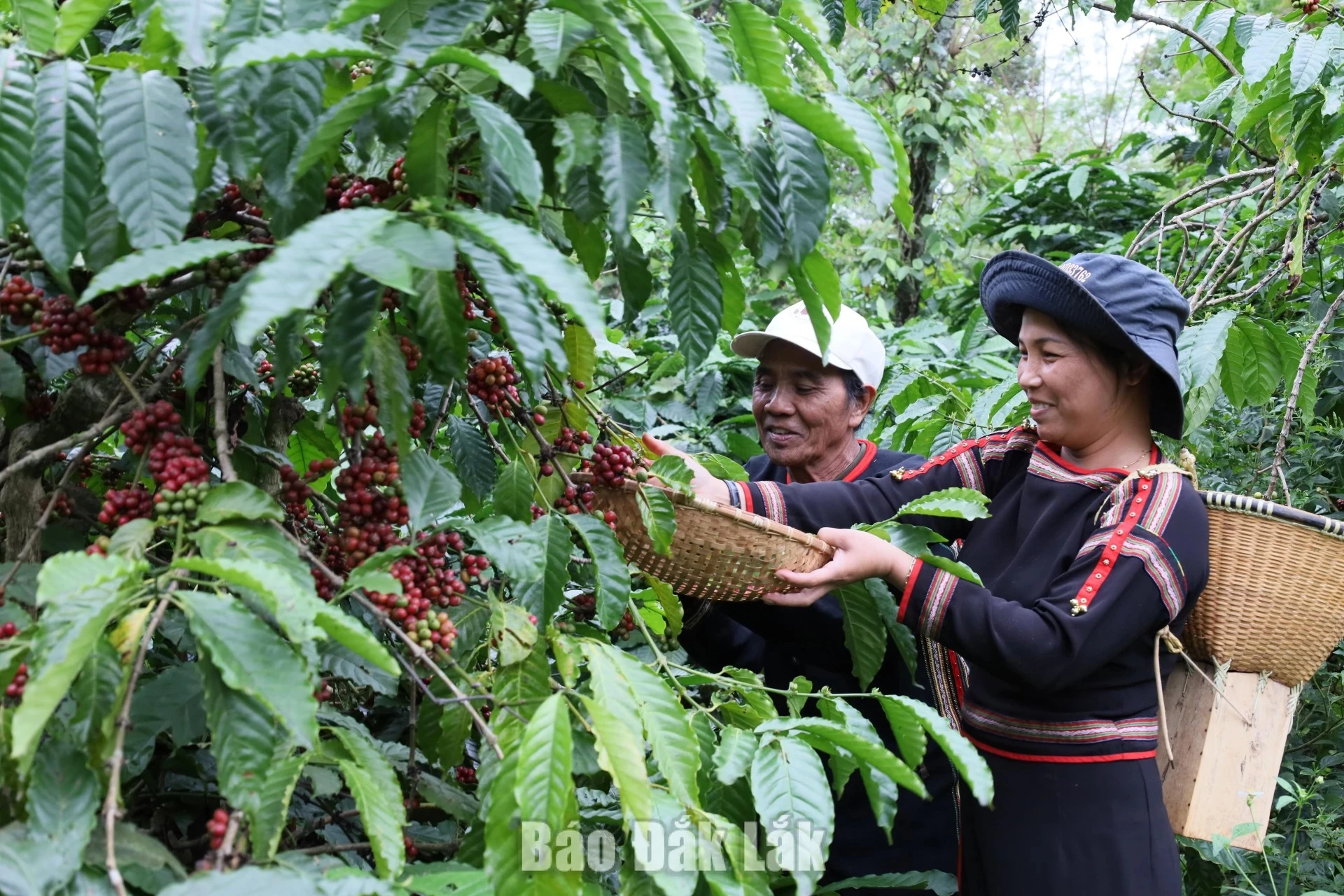 |
| The 2026 - 2027 coffee harvest making an important contribution to economic growth in Dak Lak Province. |
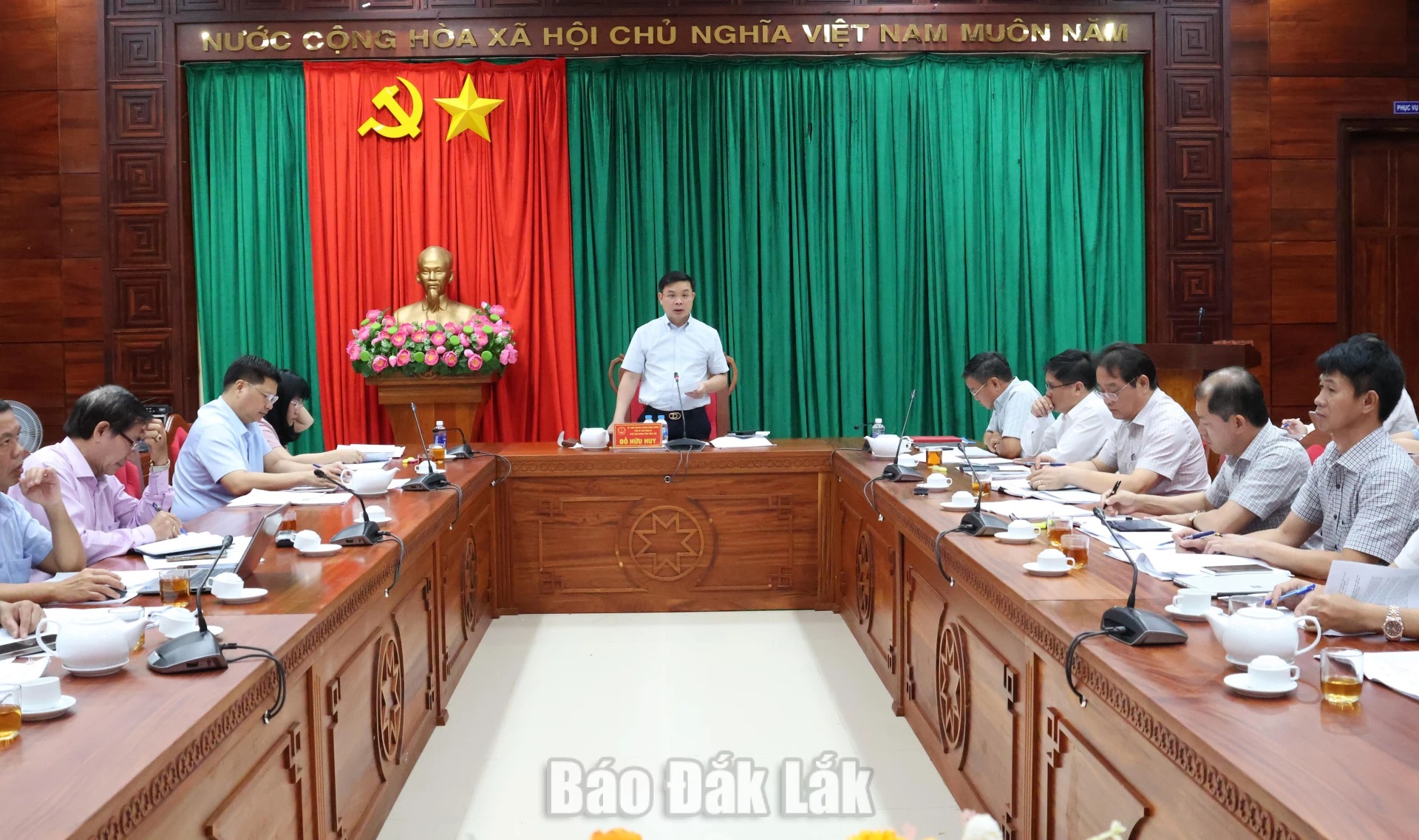
Comrade Do Huu Huy, Alternate Member of the Party Central Committee, Deputy Secretary of the provincial Party Committee and PPC Chairman, stressed that implementation must follow the principles of clear accountability for personnel, tasks, deliverables alongside deadlines, with appropriate rewards and disciplinary action.
For PPC Vice Chairmen, KPIs will be linked to four indicators: sectoral growth, the sector’s ability to mobilise capital, disbursement and revenue. Departments, agencies, units together with localities must proactively monitor and assess progress in implementing their assigned targets, tasks, works along with projects, promptly identify risks of falling short of the planned scenario, and avoid leaving implementation work coupled with disbursement until the final month of the year.
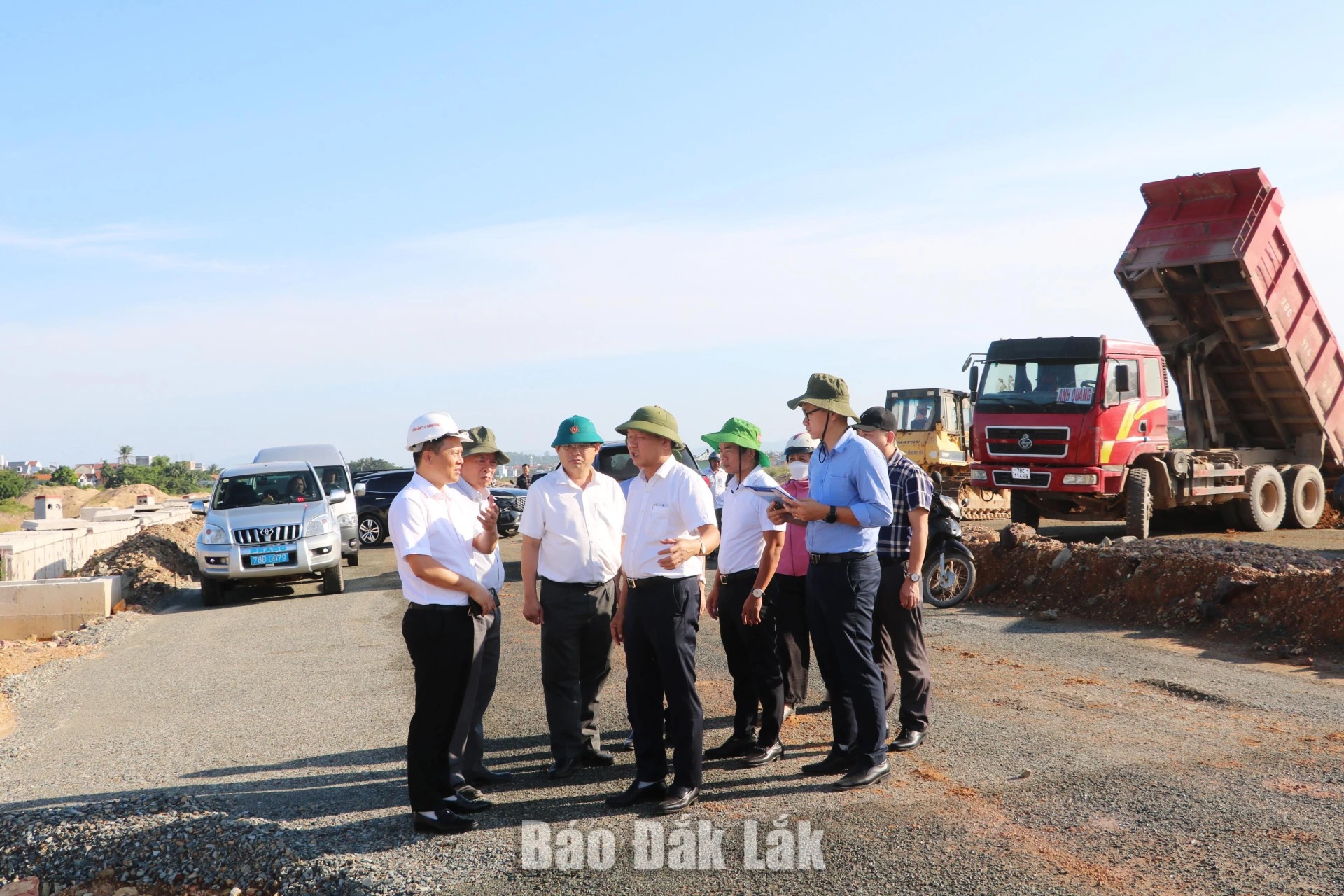
The PPC Chairman called on chairmen of commune- and ward-level People’s Committees to translate the fourth-quarter 2026 plan into specific tasks for each construction project, investment project, production facility combined with land plot. They must resolve issues concerning site clearance, land and resettlement within their authority. Matters beyond their authority must be documented, accompanied by proposals alongside tracked until outcomes are achieved. In addition, localities must focus on putting surplus public buildings and land assigned to them into productive use. In particular, communes coupled with wards must add targets for disbursing capital from increased revenue and expenditure savings, disbursing funds under national target programmes, while completing commune- and ward-level planning.
Translated by KHUONG THAO