With a Q4 2026 production value goal of 53,655 billion VND, ensuring an annual growth rate of at least 5.86%, the provincial agriculture and environment sector has entered a high-pressure final sprint.
Identifying “bottlenecks”
According to the Department of Agriculture and Environment, the production value across the agriculture, forestry, fisheries sector reached an estimated 41.83 trillion VND in the first three quarters of 2026, an increase of 5.96% year-on-year. However, due to the sector’s seasonal nature, this figure remains less than half the full-year target; consequently, the growth pressure is concentrated in Q4, with December accounting for the largest share of the value.
The primary driver is crop cultivation, with an expected value exceeding 47 trillion VND. The centerpiece is the coffee harvest, projected at approximately 600,000 tons of green beans, valued at around 42 trillion VND, along with nearly 100,000 tons of durian at the end of the crop.
Mr. Nguyen Thai Hoa, Deputy Director of the Department of Agriculture and Environment, noted that the sector continued to face several “bottlenecks”. More than 69% of the Q4 production value depends on December, a period highly susceptible to weather fluctuations coupled with coffee-price volatility. Concurrently, African swine fever has evolved into a complex situation across 51 communes, while lobster farming faces risks related to oxygen depletion at the seabed combined with fluctuations in salinity.
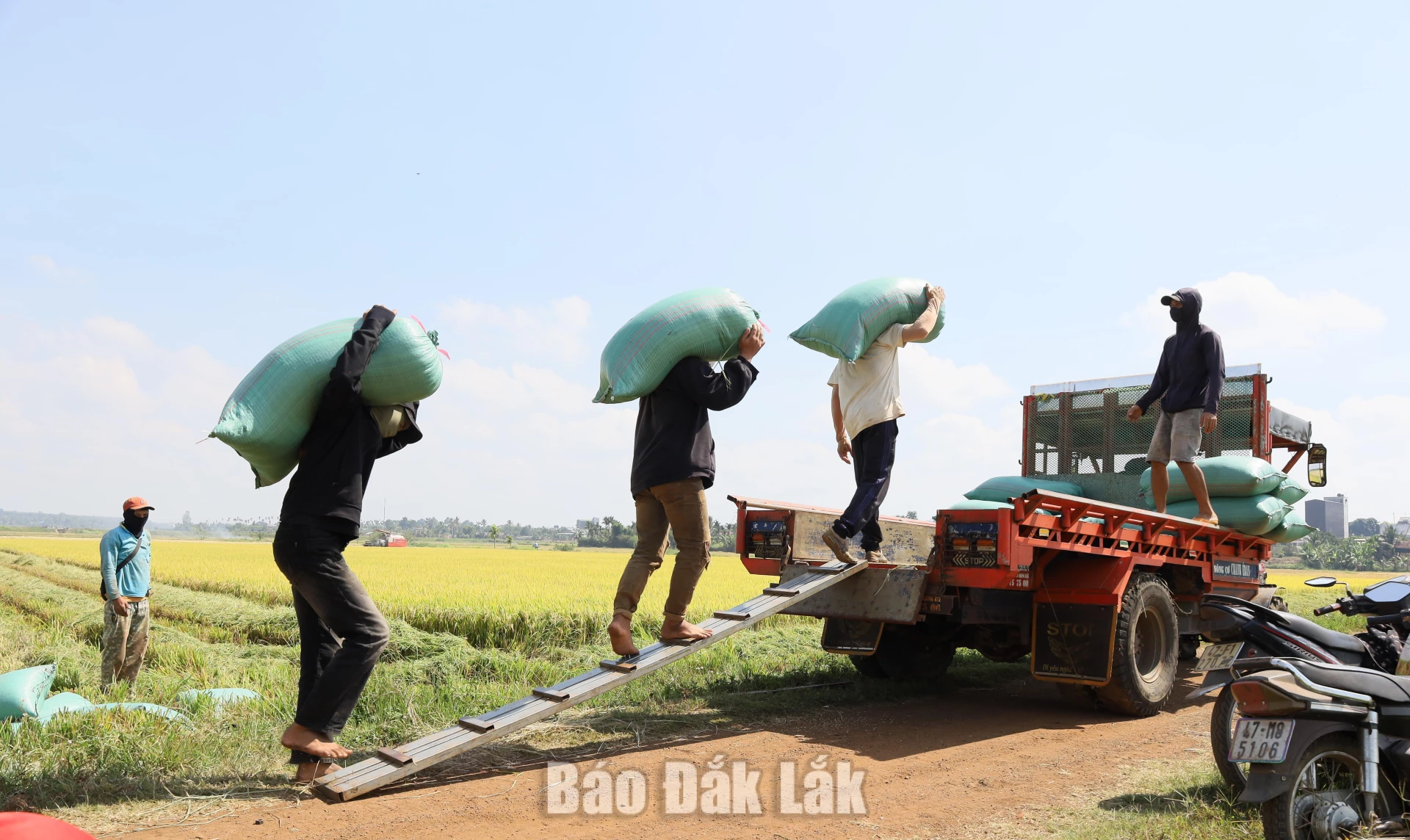 |
| Rice harvesting in Ea Kly commune. |
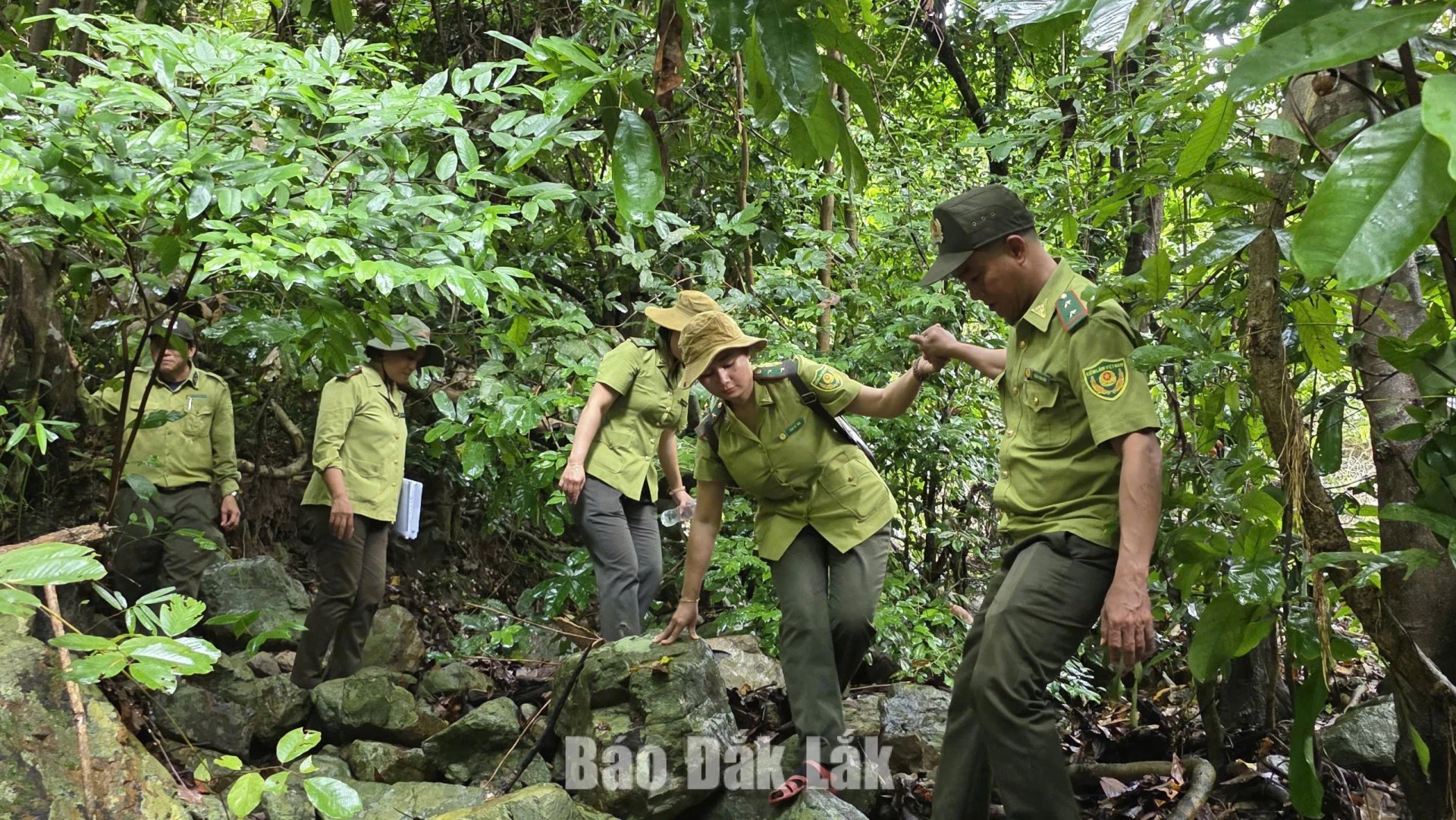
In the forestry sector, although afforestation alongside timber harvesting exceeded their targets by over 140% and 110% respectively, the impact of storm No. 13 (in 2025) devastated tens of thousands of hectares of planted forest, forcing their liquidation. According to Mr. Le Minh Duc, Deputy Director of the Department of Agriculture and Rural Development, the provincial forest coverage is forecast to decline from 41.06% in 2025 to approximately 39% to 39.5%, making the target of 41.38% particularly challenging.
Capital disbursement also remains a major “bottleneck”. As of November 13th, 2026, the sector had disbursed 62.983 billion VND out of a total allocated public investment budget of 210 billion VND, a completion rate of 35.56%. Furthermore, only 43.5% of the funds carried over from three national target programs (totaling 727.793 billion VND) had been disbursed by the end of September, causing a risk that these funds might have to be returned to the state budget. The sector must also resolve obstacles concerned electronic traceability alongside fishing vessels registration to improve its current 15th-place ranking among 22 localities in the fight against IUU fishing.
Measuring outcomes through tangible outputs
To resolve these “bottlenecks”, the Department of Agriculture and Rural Development has developed five operational scenarios covering production, capital disbursement, resource mobilization, science - technology, digital transformation. Simultaneously, it has proposed a KPI framework for departmental leaders, linking the responsibilities of unit heads to deliverables and verifiable records.
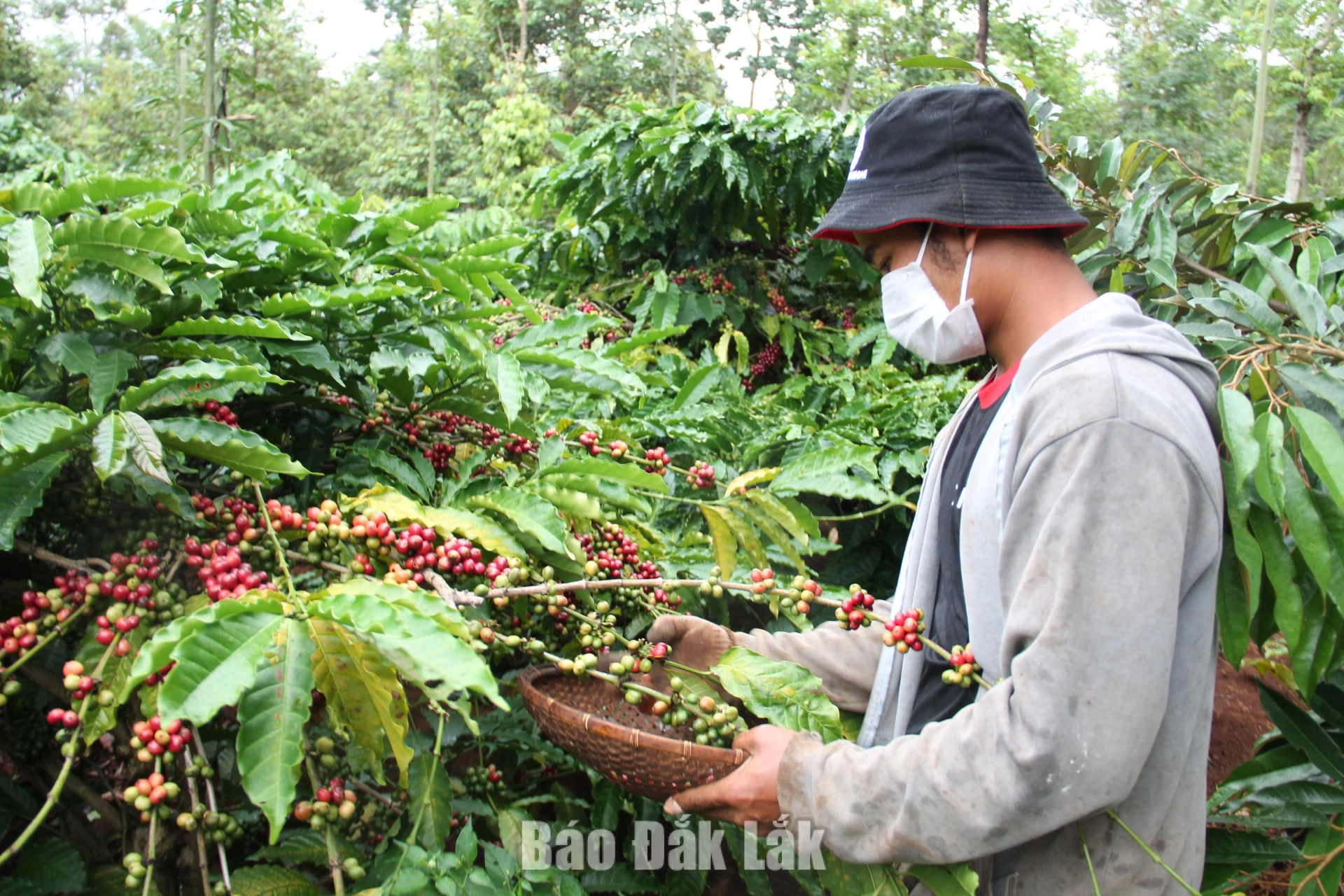 |
| Dak Lak provincial farmers entering the peak of the 2026-2027 coffee harvest season. |
The PPC has directed the agricultural sector to coordinate with other departments, agencies, together with local authorities to closely monitor weather patterns along with market conditions, ensuring the timely harvest and key agricultural product sales, with a primary focus on coffee. Additionally, the sector is tasked with the safe operation of 1,208 irrigation facilities, while remaining proactive in disaster prevention in conjunction with agricultural pest and disease control. For public investment projects behind schedule, specifically the SACCR and REDD+ projects, it is essential to establish clear deadlines for the administrative procedure completion, as well as fund reallocation if not capacity for disbursement. Simultaneously, resources should be unlocked for non-budget-funded investment projects that have already finalized the required procedures.
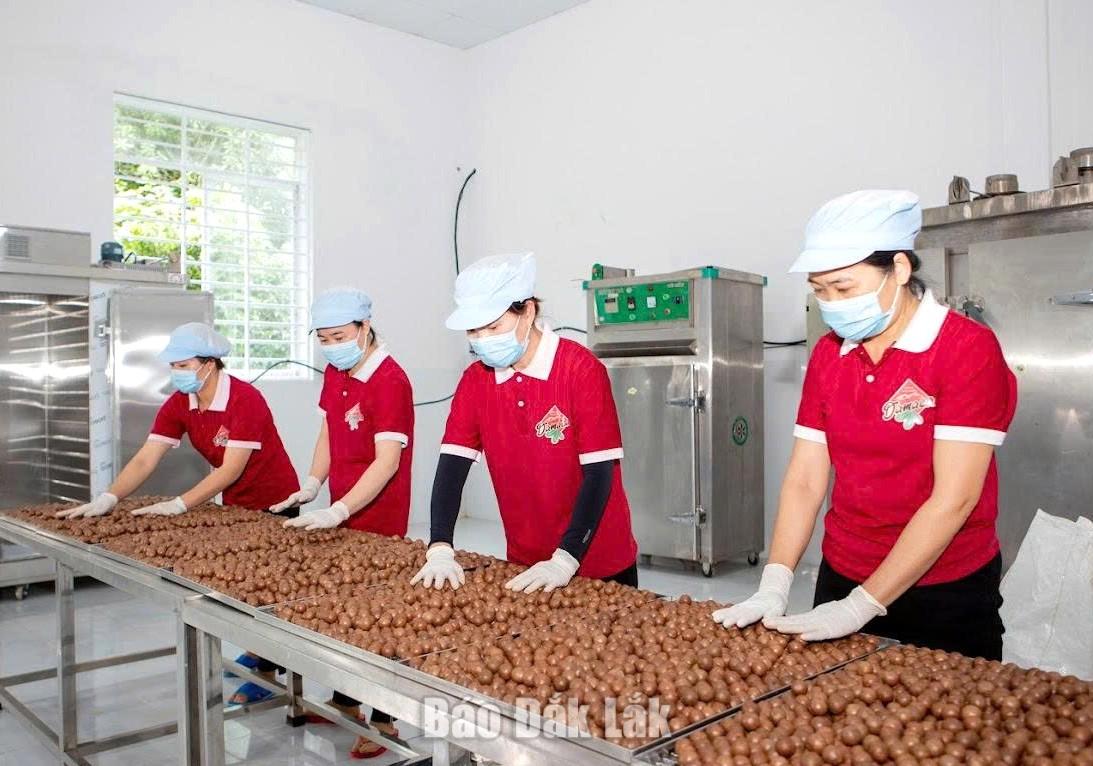
Alongside short-term growth objectives, the agriculture and environment sector has been tasked with evaluating coupled with classifying approximately 50 additional OCOP items, while re-evaluating 280 existing products whose certifications have expired. The sector must also revise the aquaculture development plan across nine coastal communes and wards, with submission for approval targeted by March 2027, while formulating a growth scenario for 2027 centered on consolidated raw-material zones, deep processing, smart agriculture, green agriculture.
The PPC Vice Chairman, comrade Nguyen Thien Van has directed the agriculture and environment sector to shift its focus from mere planning to actively implementing in coordination with monitoring achievements. Every task must be linked to specific, tangible outputs combined with the heads’ responsibility in relevant units, thereby contributing to the provincial double-digit growth goal.
Translated by TRINH THUY