Through the International Market Expansion program for the 2026-2030 period, Dak Lak province aims to establish a comprehensive support framework to help businesses overcome obstacles during the integration process, gradually connect with international partners, as well as participate more deeply in global value chains.
Identifying bottlenecks
Data from the first 10 months of 2026 indicates that the provincial import-export activities have maintained a positive growth trajectory. Nevertheless, multiple businesses, particularly small and medium-sized enterprises (SMEs), face limitations regarding finance, technology, human resources, market information. Challenges related to finding importers, building brand identity, meeting technical standards, ensuring product traceability, together with managing logistics also require urgent attention.
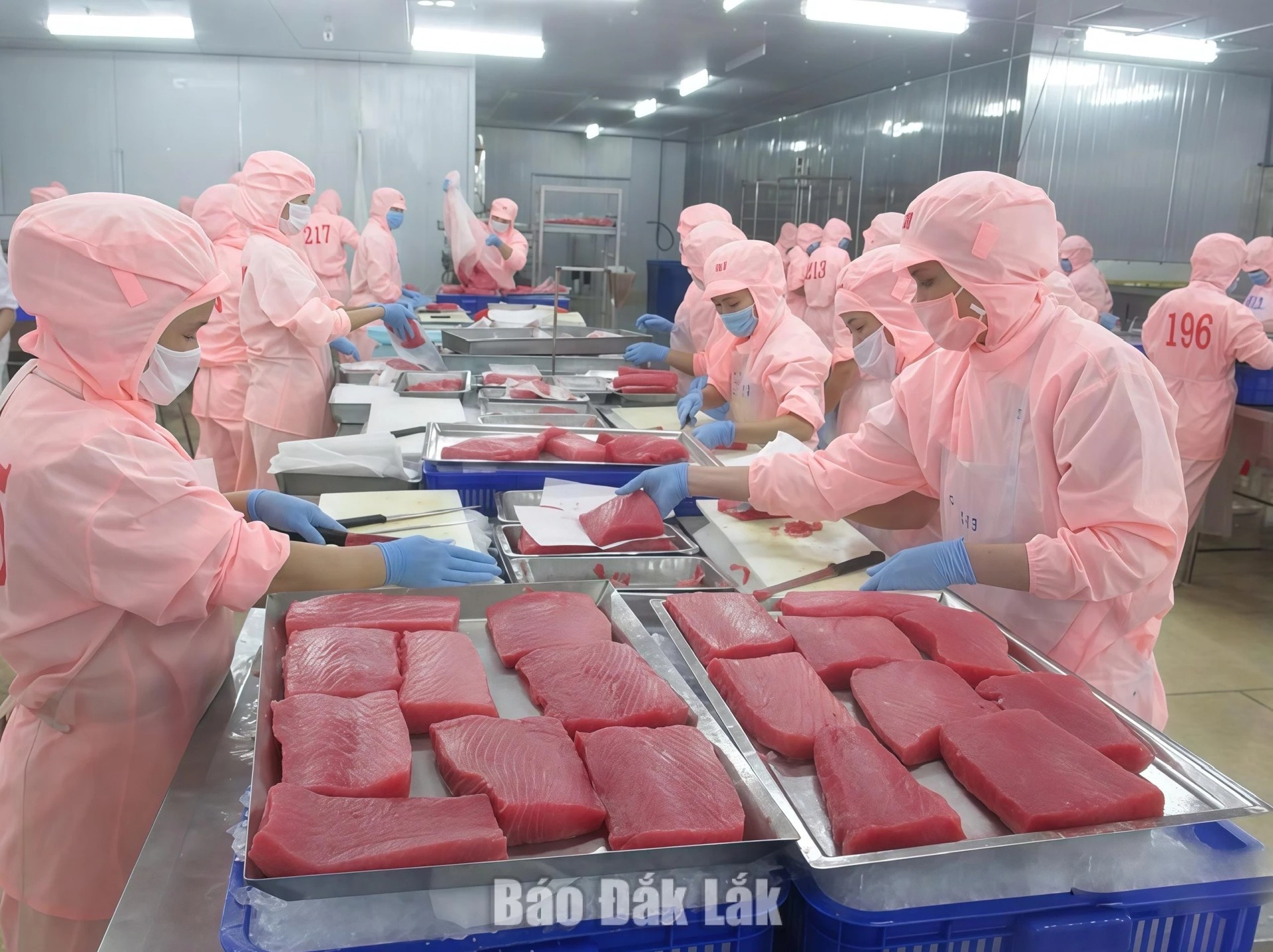
For seafood-export enterprises, requirements concerning quality, food safety, quarantine, storage, traceability directly impact the ability maintaining orders. According to Mr. Nguyen Hung, Director of Nguyen Hung Co., Ltd., the entire operational chain, from raw material control coupled with processing to storage, must strictly comply with the regulations from the importing country. A fault at any single stage can disrupt customs clearance, delay delivery schedules, as well as damage a company’s reputation. Consequently, businesses must continuously invest in technology, refine their processes, alongside strengthen the quality control capabilities.
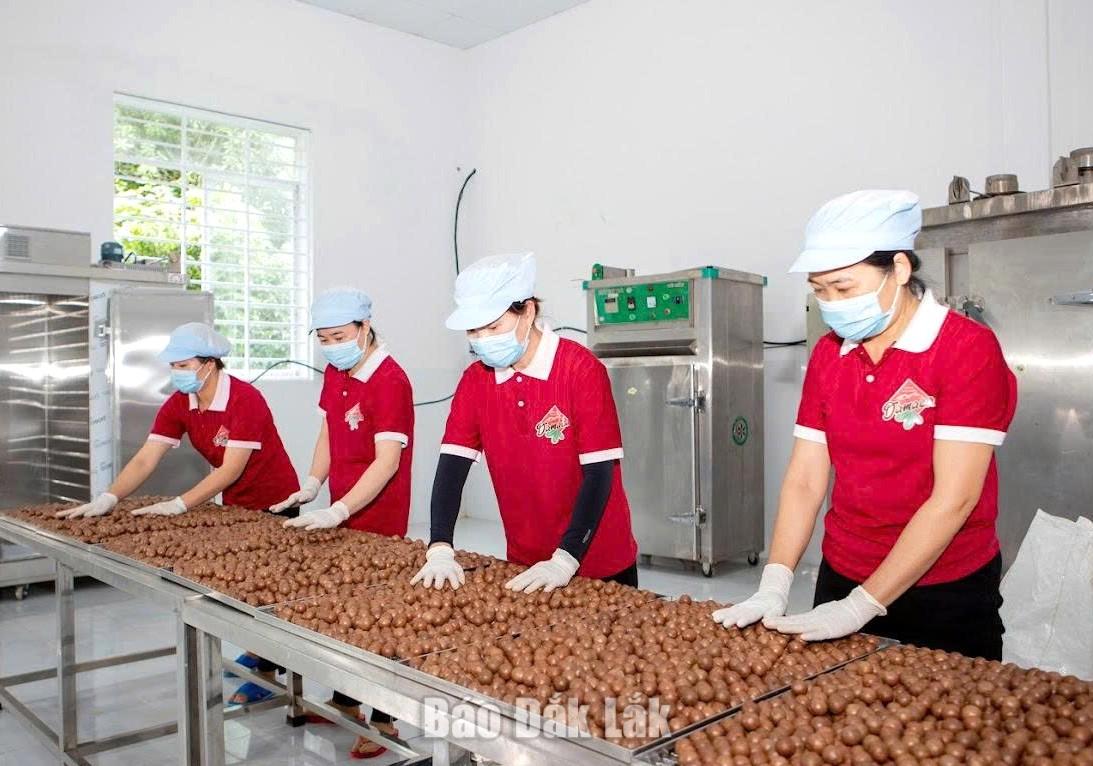 |
| Macadamia products from Damaca Nguyen Phuong Joint Stock Company being already exported to international markets. |
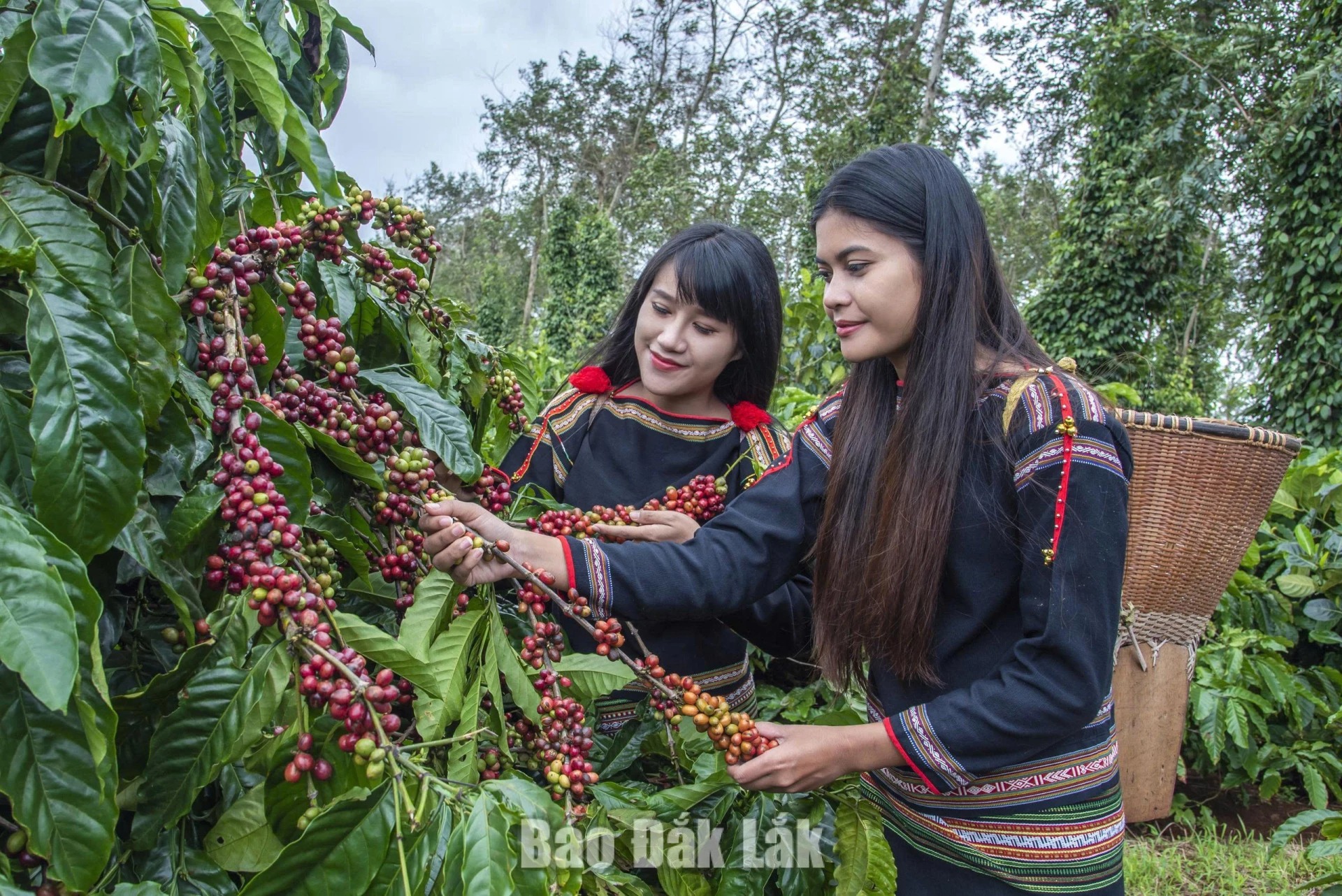
Simultaneously, agricultural enterprises must satisfy increasingly stringent regulations concerning raw material sourcing areas, cultivation area codes, packing facilities, environmental responsibilities. According to Mr. Le Van Vuong, Director of Vuong Thanh Cong Production and Trading Co., Ltd., logistics costs represent a significant burden for businesses, especially those operating in the agricultural sector. Businesses are seeking support in science and technology transferring, workforce training, in conjunction with access to capital through appropriate policies. They also require solutions to reduce logistics expenses, thereby enhancing their competitiveness.
Targeted support
According to the Provincial Business Association, there are currently over 20,000 enterprises province-wide, the vast majority of which are small or micro-sized. They have faced two major bottlenecks, including difficulty in accessing credit due to insufficient collateral security, combined with limitations in expanding into international markets, stemming from a shortage of information alongside inadequate integration capacity.
The business community expects the program to focus on practical assistance, involving providing market information, developing management capabilities, facilitating trade promotion, fostering e-commerce growth. Furthermore, there is a need to strengthen connections among enterprises along with regulatory bodies, credit institutions, both domestic and international partners. Businesses also desire access to reliable, up-to-date information regarding market demand, import regulations, quality standards. Specific guidance on original rules, technical barriers, intellectual property, international payments, together with export-related regulations would enable enterprises to be more proactive in their business operations.
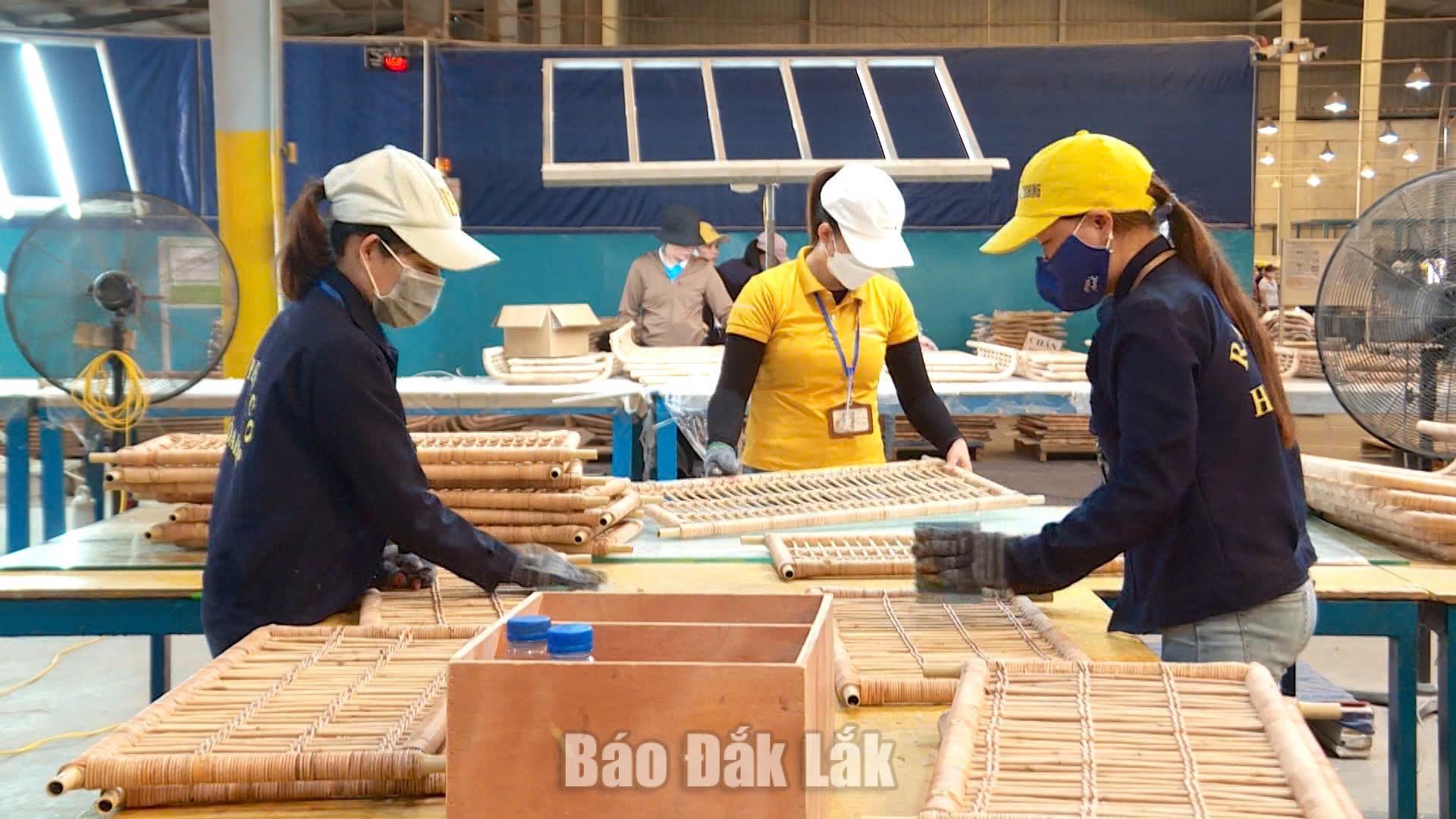 |
| A manufacturer making rattan and bamboo products for export located in the Hoa Hiep Industrial Zone. |
In parallel, it is essential to enhance links between enterprises and importers or distributors, while providing support for setting up online stores, promoting products, completing documentation, managing orders through cross-border e-commerce platforms.
To ensure that policies reach the intended beneficiaries, coordination among departments, local authorities, along with business associations must be strengthened, with the Department of Industry and Trade serving as the focal agency. By assessing specific needs, identifying enterprises with high potential, in coordination with tailoring support suitable to individual sectors, authorities can avoid spreading resources too thinly while increasing the likelihood translating policies into tangible, concrete outcomes.
With an export turnover target of 16 billion USD by 2030, Dak Lak province must enhance the goods quality coupled with competitiveness, while implementing support policies tailored to the specific needs for each industry sector. Addressing obstacles related to capital, technology, standards, market access, logistics will create the necessary conditions for businesses to expand their exports alongside integrate more deeply into the international market.
Translated by TRINH THUY