The integration of four national target programmes into a single programme for the 2026 - 2035 period, together with decisive measures to strengthen decentralisation and delegate greater authority to local authorities, is marking a major shift in management thinking coupled with resource allocation. In Dak Lak, authorities at all levels and across sectors have proactively worked to refine the institutional framework and remove procedural bottlenecks, with the aim of ensuring better people's living standards.
To address shortcomings in the implementation process, the National Assembly adopted Resolution No. 46/2026/QH16, approving the policy of consolidating four national target programmes into a single National Target Programme on Social, Cultural, Rural Development in Ethnic Minority and Mountainous Areas for the 2026 - 2035 period.
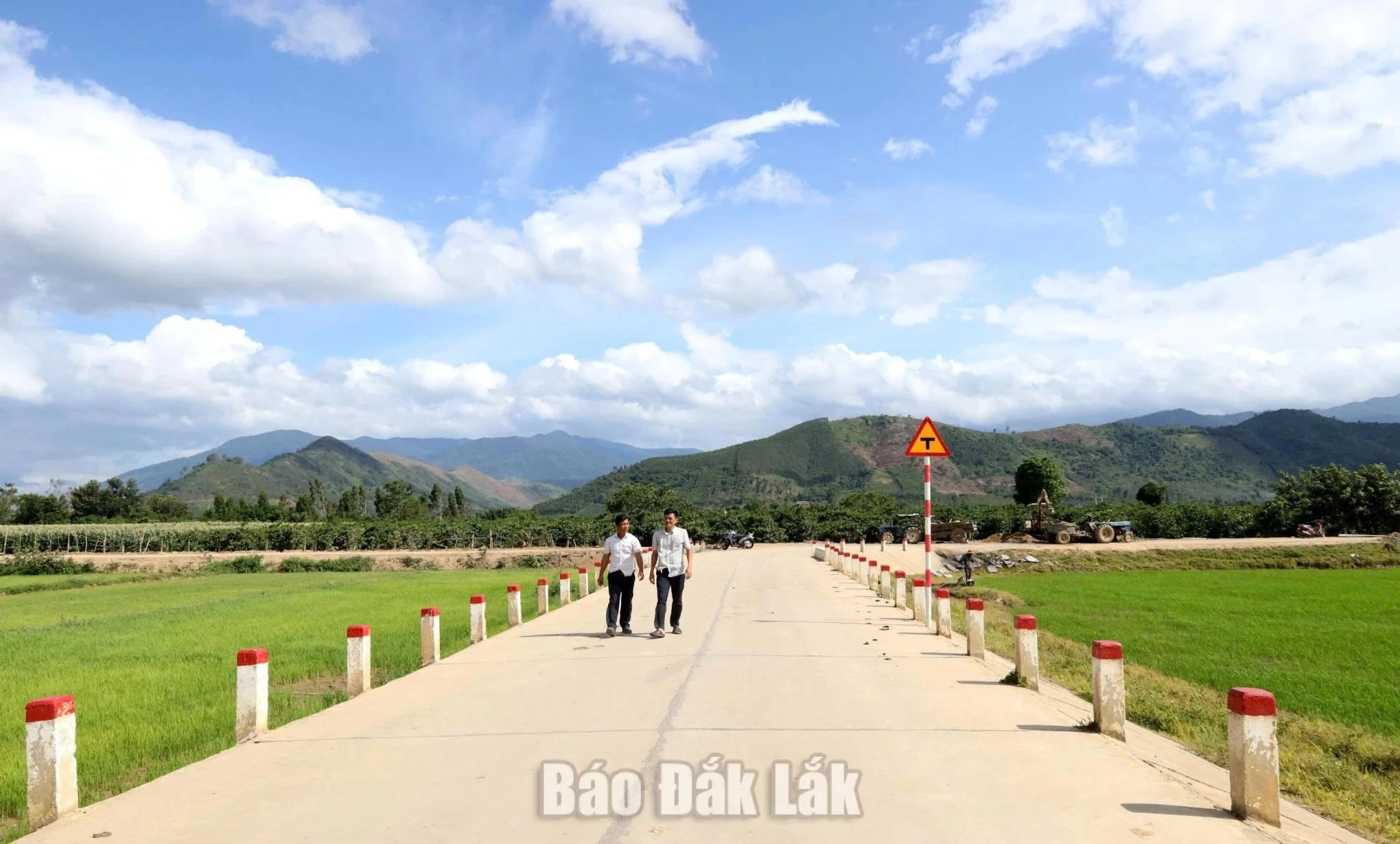 |
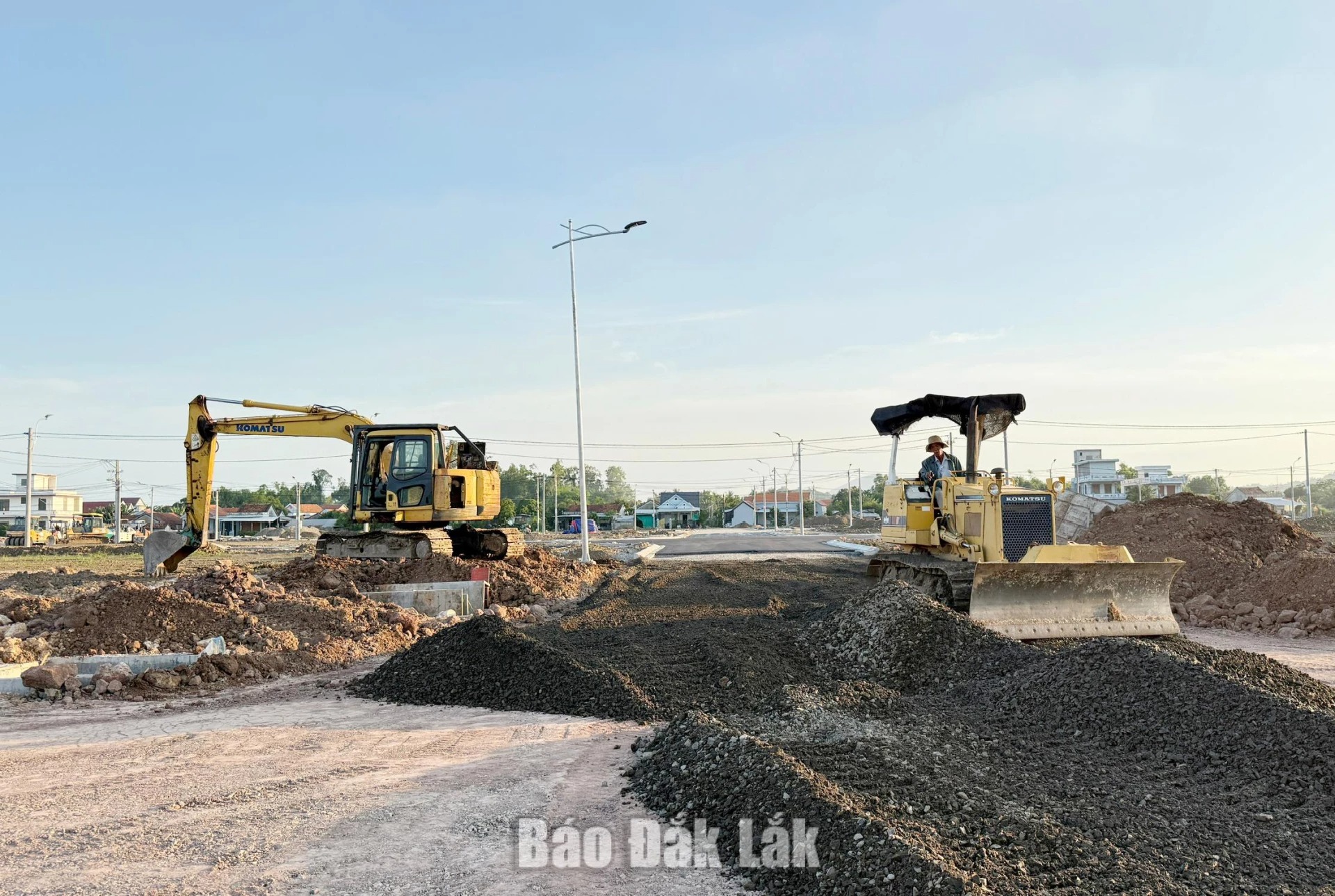
| The road in Tlier Hamlet, Cu Pui Commune, being built with funding from the National Target Programmes. |
This integration aims to establish a unified management framework under the principle of “one programme, one focal point”, thereby eliminating fragmented and dispersed resource allocation. For the 2026 - 2030 period, total resources for implementing the intergrated national target programme stands at 808.558 trillion VND, comprising 345 trillion VND from the central budget, 395.392 trillion VND from local budgets and funding from other sources. Resources will be allocated more strategically, with priority given to disadvantaged areas, ethnic minority communities combined with areas facing shortages of essential services.
One of the most significant breakthroughs under the new mechanism is far-reaching decentralisation coupled with delegation of authority. The central government will focus on issuing mechanisms, policies, standards, norms and professional guidance, while allocating overall resources to localities, which will then decide on project portfolios, priorities and detailed allocations. This model minimises intermediate administrative layers as well as strengthens the initiative of grassroots authorities in line with the principle that “local authorities decide, organise implementation and take responsibility”.
Proactive programme implementation
In line with the central government's directives, Dak Lak province has urgently worked to finalise its institutional framework, guidance documents and administrative structure for programme management. The Provincial People's Council adopted Resolution No. 18/2026/NQ-HDND, stipulating counterpart funding requirements alongside criteria for capital allocation. The PPC issued a set of criteria for new-style rural communes for the 2026 - 2030 period, an implementation plan for the programme, and a range of thematic policies on poverty reduction together with the One Commune One Product (OCOP) programme.
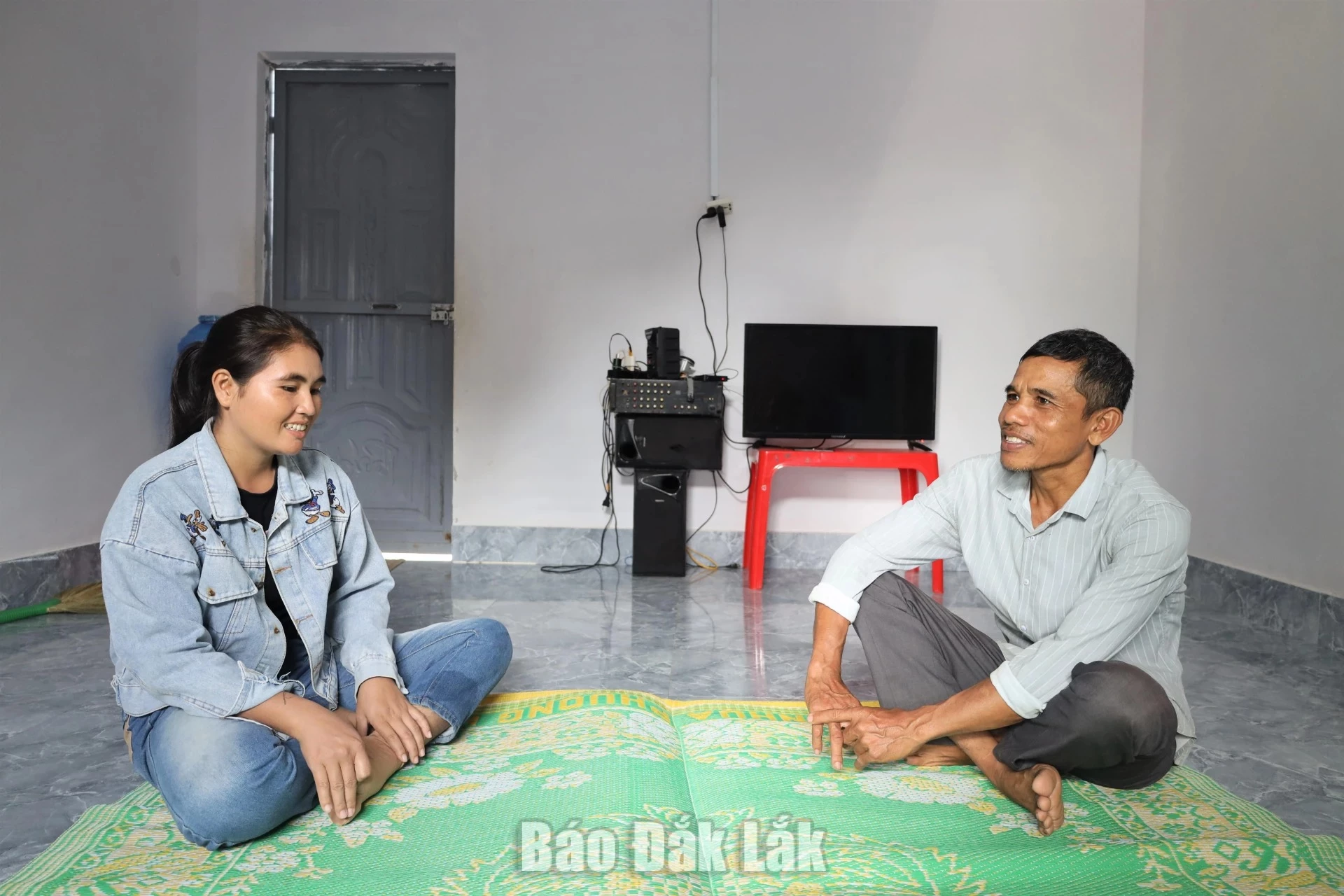 |
| Ms. H Bion Bya’s family in Ea Sar Hamlet, Ea Knop Commune, receiving housing support under the national target programmes. |
Notably, at its third thematic session, the 11th Provincial People's Council adopted a resolution stipulating the decentralisation of authority to decide on the allocation and adjustment of medium-term along with annual public investment plans funded by the central and provincial budgets for the implementation of national target programmes during the 2026 - 2035 period. This is regarded as an important legal basis for removing procedural bottlenecks, enabling greater initiative while strengthening the accountability of commune-level authorities. The province has also established a Provincial Steering Committee for national target programmes for the 2026 - 2030 period and consolidated the Steering Committee for the integrated programme in accordance with Decision No. 1966/QD-TTg issued by the Prime Minister.
The delegation of authority down to commune level enables local authorities to proactively review actual needs, determine priorities and coordinate funding among component projects within their allocated overall budgets. This will help address the problems of idle funds alongside dispersed resource allocation.
According to comrade Nguyen Thien Van, PPC Vice Chairman, to ensure the effective implementation of Resolution No. 46/2026/QH16, Dak Lak has proposed that the Ministry of Agriculture and Environment, the Ministry of Finance combined with other relevant ministries and agencies promptly clarify the programme's objectives, criteria alongside funding norms, and issue professional guidance coupled with financial management mechanisms. These will provide local authorities with a consistent legal framework for formulating five-year and annual implementation plans.
Translated by KHUONG THAO