Dak Lak has consistently identified village elders, hamlet chiefs as well as respected individuals as a vital force in strengthening the great national unity bloc, maintaining security and order while preserving cultural identity and promoting socio-eco development at the grassroots level.
Unifying core figures in villages
Dak Lak is the third-largest province in the country by area, with a population of more than 3.3 million. It is home to 45 ethnic minority groups, comprising more than 839,000 people and accounting for 25.4% of the provincial population, with rich along with diverse cultural, belief and religious practices. These characteristics underscore the need to continuously strengthen the great national unity and build consensus among local communities.
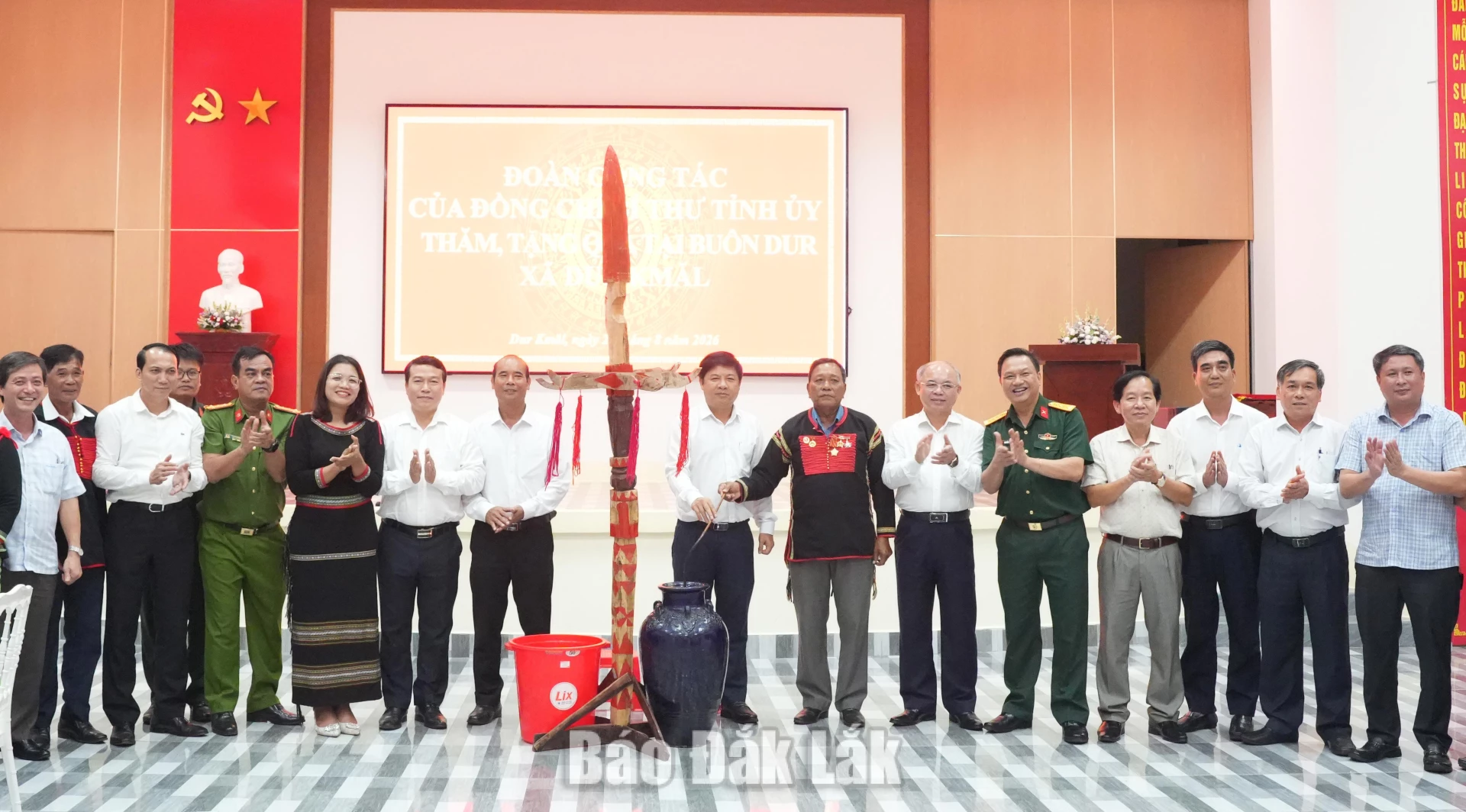 |
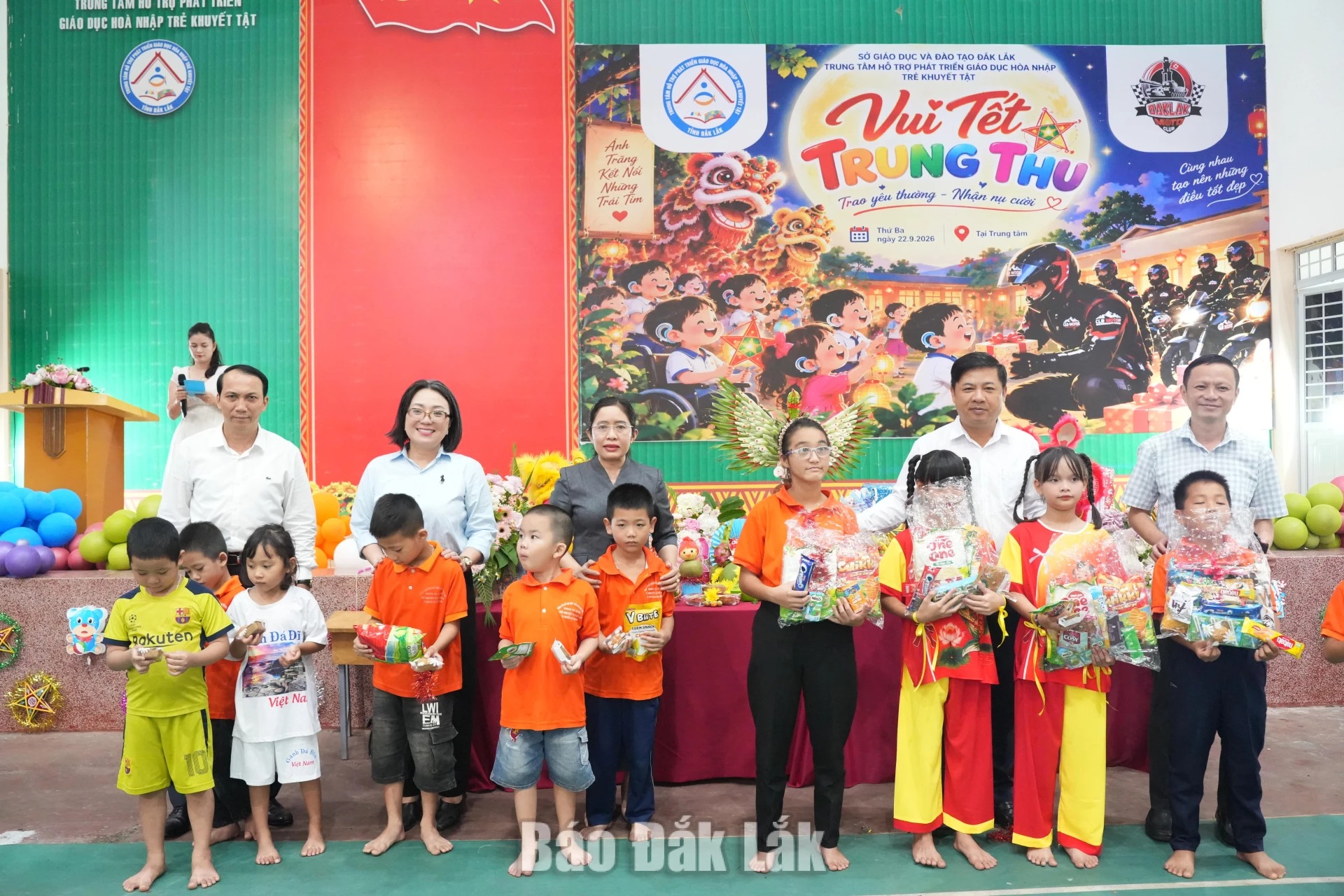
| Provincial Party Committee Secretary Luong Nguyen Minh Triet together with the provincial working delegation presenting gifts to and meeting with village elders, hamlet chiefs combined with respected individuals in Dru hamlet, Dur Kmal commune. |
The province currently has 1,069 respected individuals, including 48 party cell secretaries, 150 hamlet chiefs and 209 village elders. In recent years, this group has played an active role in communicating along with mobilising ethnic minority communities to follow the Party’s guidelines and the State’s policies coupled with laws, conveying people’s legitimate thoughts and aspirations, while participating in mediation and resolution of emerging issues, contributing to maintaining security and order as well as strengthening solidarity from the grassroots level.
In socio-eco development, village elders, hamlet chiefs and respected individuals have mobilised local communities to build consensus around development projects coupled with policies, while promoting improved production practices, the adoption of science and technology combined with new varieties, and the development of commodity-oriented agriculture. They have also participated in cooperative groups alongside cooperatives, strengthened production and product distribution linkages, together with helped develop distinctive products, OCOP products and community-based tourism. Simultaneously, they have contributed to changing mindsets along with ways of working, awakening the spirit of self-reliance and resilience as well as encouraging people to proactively overcome poverty, achieve legitimate prosperity and preserve cultural identity.
In particular, village elders, hamlet chiefs combined with respected individuals serve both as a bridge bringing the Party’s guidelines and the State’s policies coupled with laws to the people and as a channel for conveying the thoughts alongside aspirations of local residents, helping Party committees and authorities closely grasp the situation along with address issues in a manner suited to local realities. They also play an active role in bringing digital transformation closer to people at the grassroots level.
New requirements, new tasks
As the province enters a new development period, particularly under the two-tier local government model, higher requirements are being placed on ethnic and religious affairs as well as on promoting the role of village elders, hamlet chiefs and respected individuals.
Resolution No. 07-NQ/TU dated May 15, 2026, adopted by the Executive Committee of the Dak Lak Provincial Party Committee on ethnic and religious affairs for the 2026 - 2030 period, with a vision towards 2045, sets out the requirement to strengthen the great national unity bloc, ensure political security, alongside promote socio-eco development in ethnic minority and mountainous areas. To achieve these objectives, the province will continue to strengthen its network of village elders, village chiefs and respected individuals by selecting exemplary figures trusted by their communities, regularly assessing their performance, promptly recognising while rewarding positive role models, and replacing those who no longer meet the requirements.
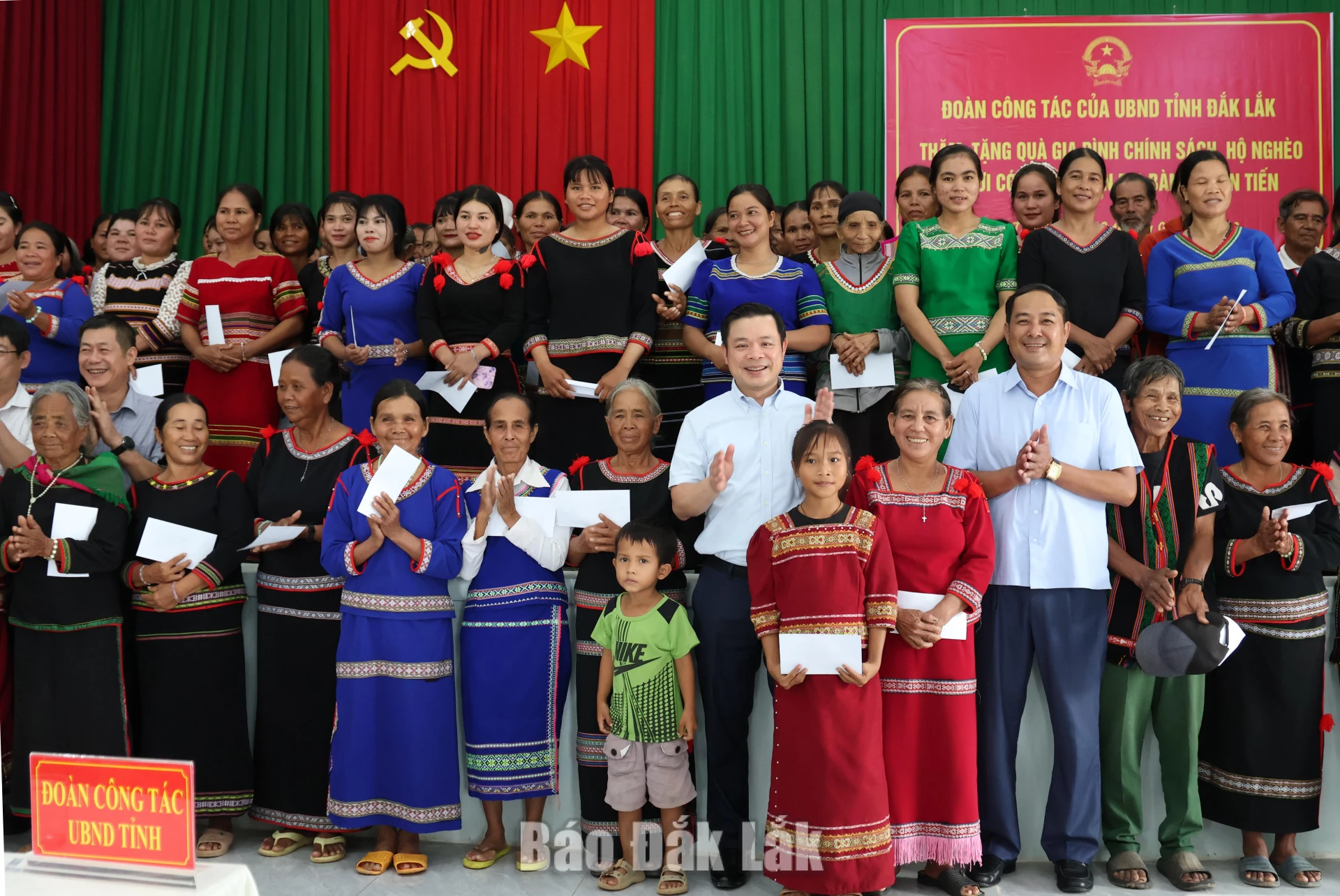 |
| Alternate Member of the Party Central Committee, Deputy Secretary of the Provincial Party Committee and PPC Chairman, comrade Do Huu Huy, together with PPC Vice Chairman, comrade Y Nhuan Bya, presenting gifts to respected individuals, leaders alongside residents of Ea Wer commune. |
Concurrently, information provision, training and capacity building must be renewed in a practical alongside grassroots-oriented manner, with emphasis on legal knowledge, mediation skills, mass mobilisation, situational response, the use Internet and social media use, as well as the identification and prevention of fake news. Appropriate mechanisms should be established to receive and respond to feedback so that the voices of respected individuals can serve as a two-way channel of communication between local communities coupled with Party committees and authorities.
The activities of this contingent must be closely linked to the tasks of socio-eco development and maintaining security along with order at the grassroots level. They should be supported in disseminating information and mobilising communities to implement development programmes combined with projects, monitoring and reporting emerging issues, and coordinating efforts to assess local situations, mediate conflicts as well as prevent risks to security and order at the grassroots level. In the digital space, respected individuals need to improve their ability to access and process digital information and disseminate positive information online.
Dak Lak’s greatest strengths lie in its people, rich cultural heritage together with the solidarity of its ethnic communities. Effectively promoting the role of village elders, hamlet chiefs alongside respected individuals means harnessing the strength of the people, reinforcing the great national unity and building trust from the grassroots level.
Translated by KHUONG THAO