After more than four years implementing Resolution No. 08 of the provincial People's Council on supporting the community-based tourism development in ethnic minority villages and hamlets, alongside related policies and programmes, numerous community-based tourism models have been established in Dak Lak, infrastructure has gradually been improved while cultural identities have been harnessed to generate local sustainable livelihoods.
Resolution No. 08 has provided a basis for mobilising resources to support destinations, groups combined with households involved in community-based tourism development. From 2021 - 2024, five villages and 22 households received support under this resolution, with total funding exceeding 4.184 billion VND.
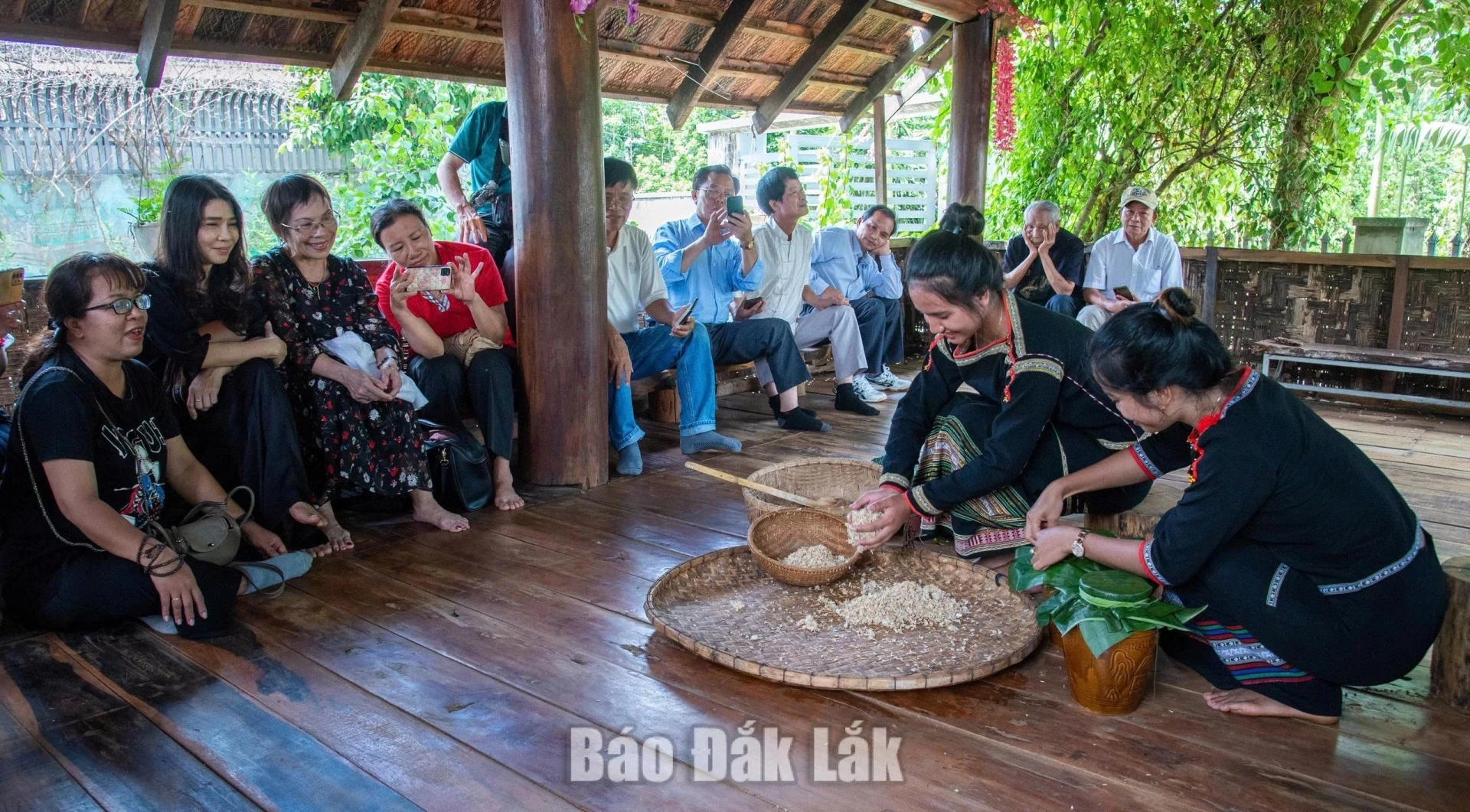 |
| Visitors learning about how the Ede people traditionally prepare Can wine in Tong Ju Village, Ea Kao Ward. |
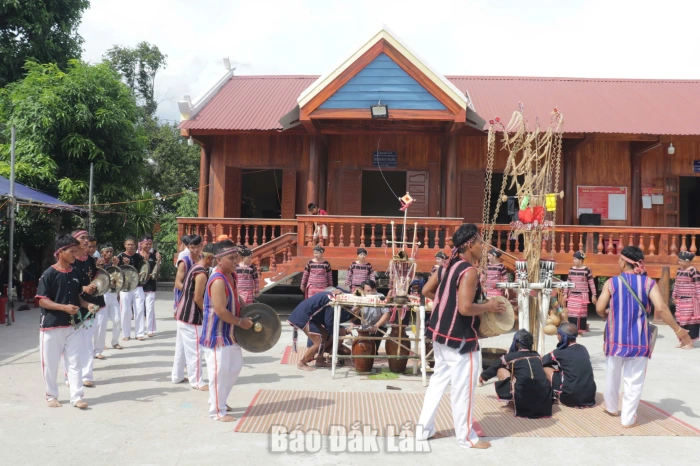
In addition, the PPC has directed departments, sectors and localities to integrate resources from programmes coupled with projects for infrastructure and equipment investment, alongside skills training for community-based tourism development. These efforts have gradually established tourism destinations, creating conditions for local residents to participate in service provision, introduce products as well as showcase local culture.
Ms. H Belly Eban, owner of Maison de KaThy Homestay in Tuor village, Hoa Phu commune, said that attention from local authorities, together with training courses and development-oriented support, had helped change residents' perceptions, encouraging them to shift from relying solely on farming to engaging in tourism, while also taking pride in and preserving their ethnic culture. According to her, the appeal of community-based tourism does not necessarily come from large-scale facilities or elaborate services, but from giving visitors an opportunity to experience everyday life, local culture, production combined with landscapes.
This is also a fundamental difference between community-based tourism and tourism types that rely heavily on investment in physical facilities.
Building value chains
Implementation has shown that while the policy has laid an initial foundation, the community-based tourism destinations still faces considerable challenges.
According to a survey by the provincial People's Council's Ethnic Affairs Committee, some community-based tourism destinations have inadequate infrastructure; products remain limited in variety; human resources lack professional skills; and promotional activities alongside market linkages remain underdeveloped. Connections between communities and travel enterprises, cooperatives along with local product producers remain weak, while post-investment resources for facility maintenance remain insufficient.
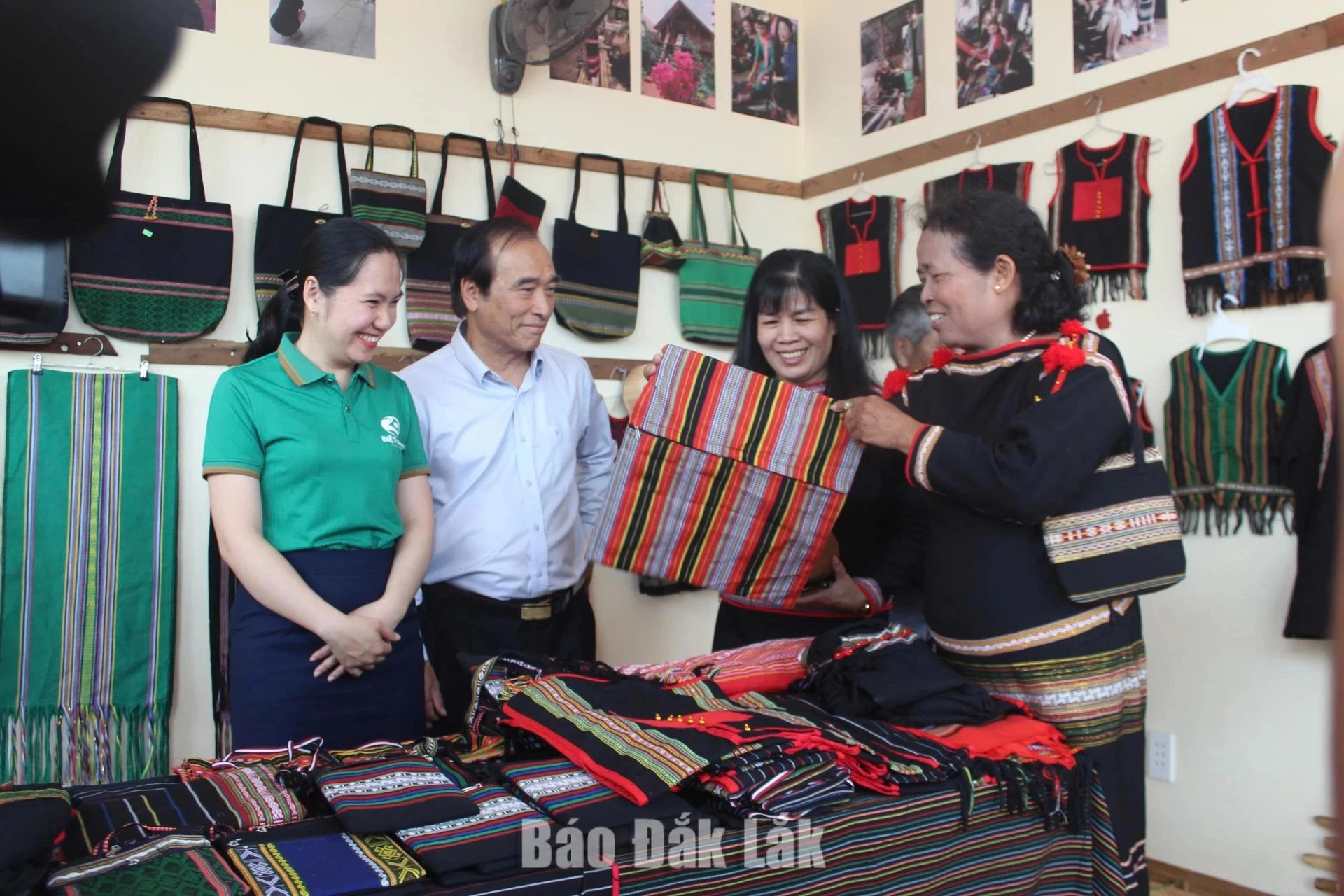 |
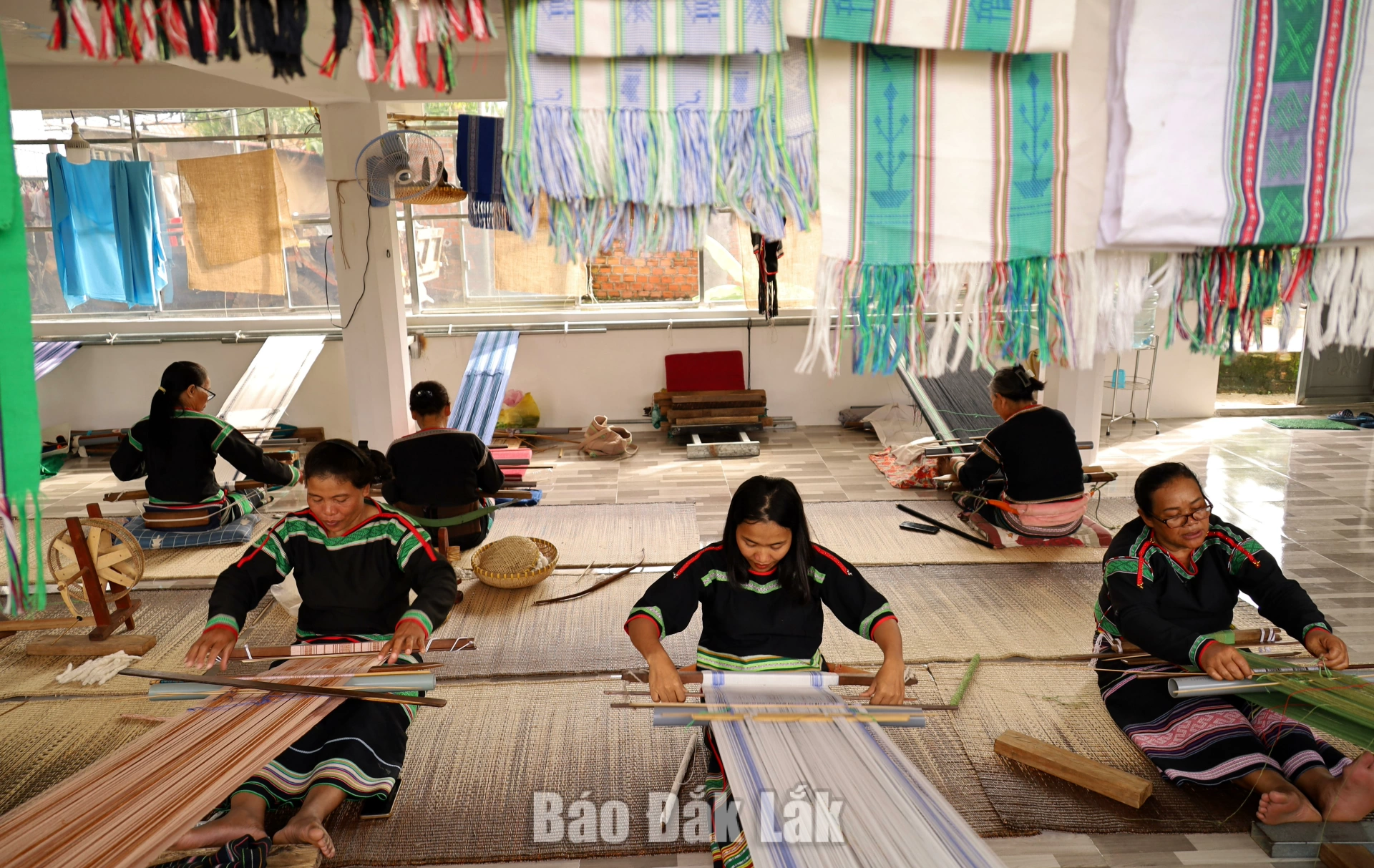
| Members of the Tong Ju Village community-based tourism group in Ea Kao Ward introducing traditional woven products. |
In practice, handicraft products have recorded limited sales, agriculture-based experiences remain underdeveloped, and some souvenir products still depend on supplies from outside the locality. This indicates that promotional effectiveness, product development and connections with travel enterprises remains limited.
According to Ms Do Thi Nhu Tinh, Head of the provincial People's Council's Ethnic Affairs Committee, during 2026 - 2030, it is necessary to further refine a comprehensive and focused support policy, prioritising destinations as well as villages with potential, and strengthening links among communities, enterprises, cooperatives along with travel operators to establish tourism value chains. Simultaneously, efforts should be focus on strengthening management capacity together with human resources, empowering communities as the primary stakeholders and linking cultural preservation with livelihood creation, higher incomes alongside greater self-reliance, ensuring the models remain effective after support ends.
Developing community-based tourism is a long-term journey that links cultural preservation and environmental protection with improved livelihoods for ethnic minority communities. Resources under Resolution No. 08 provide a starting point, but creating sustainable livelihoods requires the continued engagement of agencies and enterprises, together with local people's self-reliance and pride in their cultural identity.
Translated by KHUONG THAO