In ethnic minority and mountainous communities, the growing adoption of digital technology is bringing tangible benefits to local people, creating new employment opportunities, expanding market access while enabling residents to develop sustainable livelihoods close to home.
In Phu Dong, a particularly disadvantaged hamlet in Phu Mo Commune, village head Kpa Linh and Kpa Thi Diem have established online sales channels alongside livestream sessions to promote traditional Bahnar brocade products. Their efforts have helped the products reach a wider customer base while providing fresh impetus for the preservation of the traditional craft. According to Diem, preserving a traditional craft is not simply about safeguarding patterns and weaving techniques handed down through generations. More importantly, it means ensuring that local artisans can earn a living from their craft.
Believing that digital technology is becoming increasingly embedded in everyday life as well as that acquiring new skill can open up livelihood opportunities, Linh regularly helps villagers become more familiar and confident with new ways of selling their products.
Recently, nearly 100 Youth Union members, representatives from local organisations, producers, business households combined with OCOP product owners in the mountainous commune of Xuan Lanh received training in content creation, the AI applications and hands-on product promotion across digital platforms. Mrs. Tran Thi Lui, a member of the Xi Thoai Community-based Tourism Cooperative Group, said that practical training had helped local people overcome their hesitation in using technology alongside better understand how to introduce their products and interact with customers online.
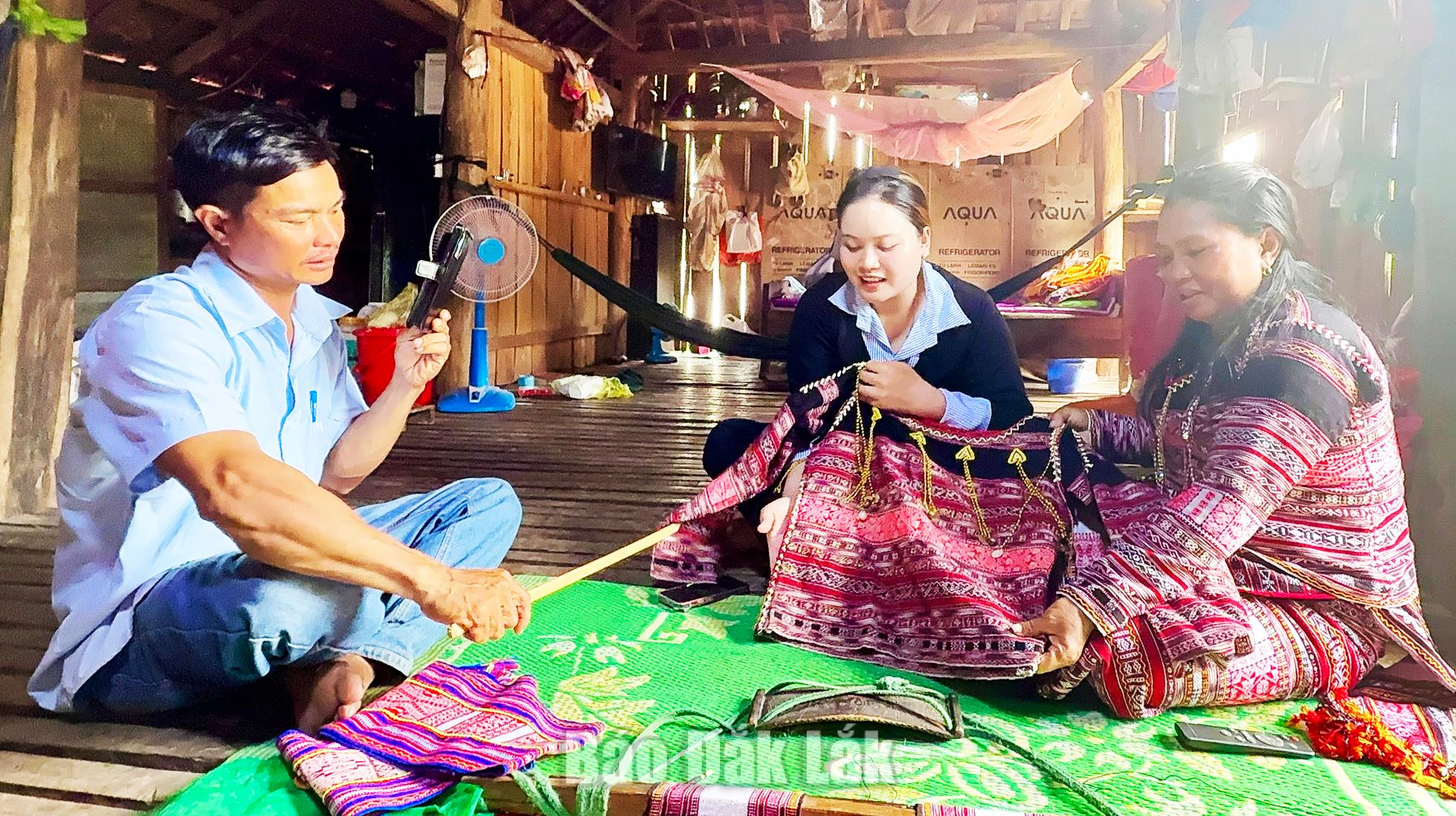 |
| Village head Kpa Linh and local residents livestream to promote and sell traditional brocade products. |
Beyond improving their online sales skills, residents of Xi Thoai have gradually changed the way they develop their products, creating a wider range of brocade items tailored to market demand. The craft village now offers around 20 types of products, priced from VND15,000 to several million dong each.
Mr. Nguyen Huu Duy, Vice Chairman of the Xuan Lanh Commune People’s Committee, said the locality aims to establish a network of grassroots digital communication leaders who can help residents connect directly with markets, sell agricultural products and increase the value of locally made goods.
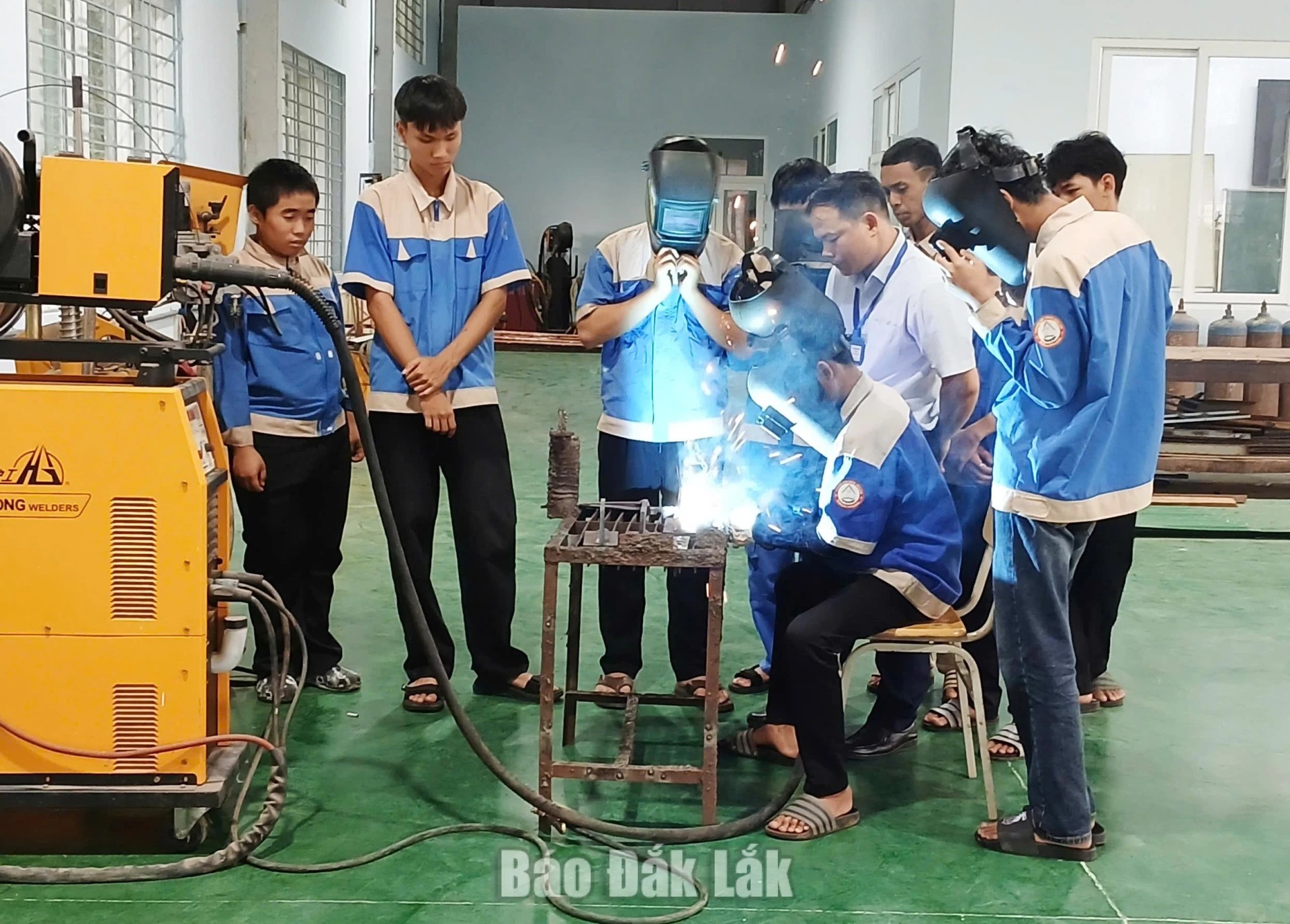
This is also one of the priorities under the national target programmes on new-style rural development, sustainable poverty reduction, combined with socio-eco development in ethnic minority and mountainous areas. Alongside production support, greater attention is being paid to improving human resource quality, providing vocational training, disseminating employment information while equipping people with skills that meet changing market requirements.
At the provincial level, the need is even more pressing. Dak Lak currently has more than 750 OCOP products, yet not all producers are making effective use of digital platforms for promotion coupled with marketing. In early September 2026, the provincial Department of Science and Technology, in coordination with digital technology companies, organised training courses on livestream selling for businesses, cooperatives along with household businesses province-wide.
Mr. Tran Van Son, Deputy Director of the Dak Lak Department of Science and Technology, stressed that the key objective is to ensure that, after training, local people can put what they have learned into practice, proactively reach new markets, find customers, create jobs for themselves as well as improve their incomes. Equipping people with vocational skills, digital capabilities and better access to markets ultimately means giving them greater capacity to take the initiative in building sustainable livelihoods in their own communities.
Translated by THAO LINH