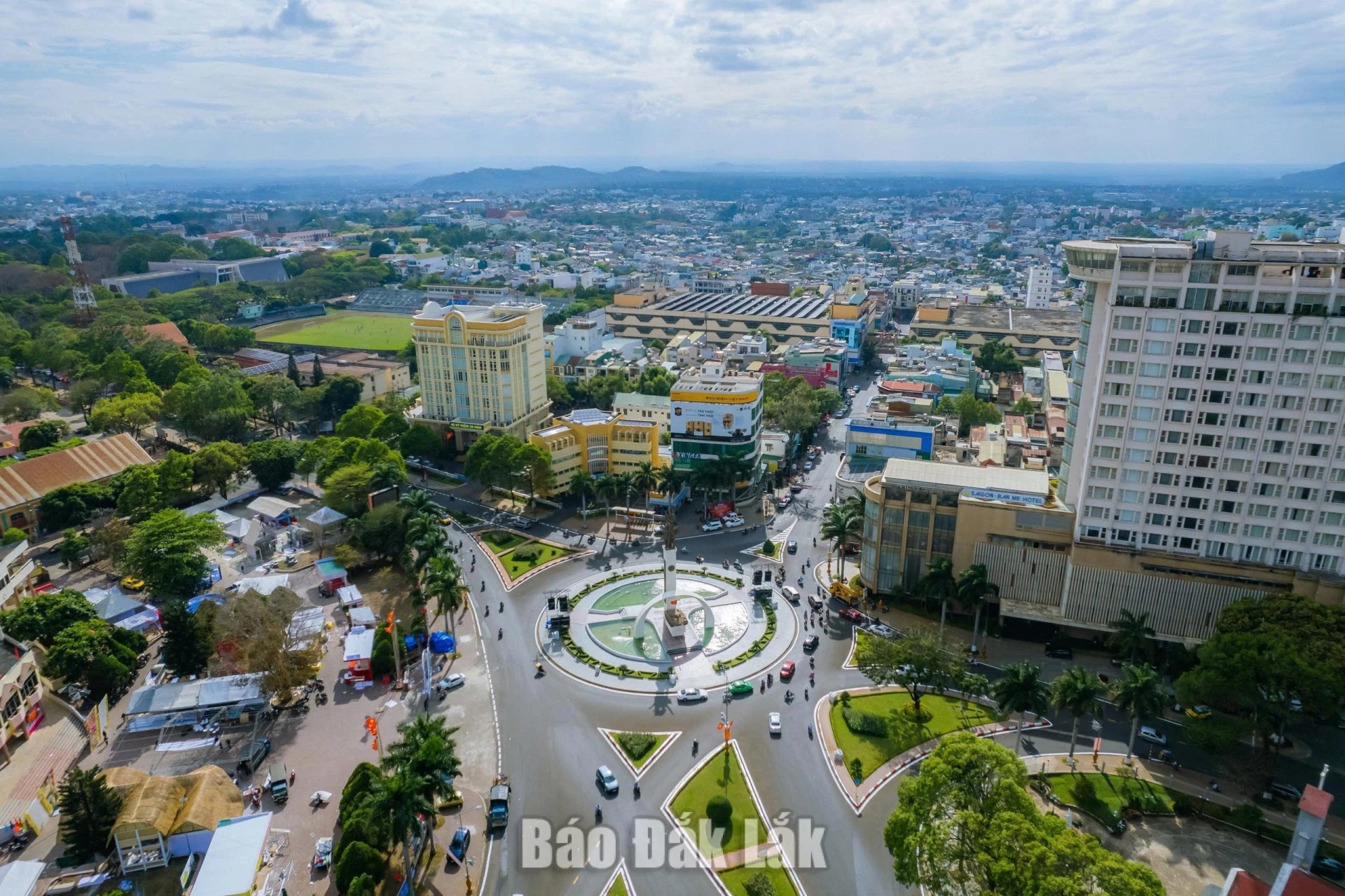
With public and enterprise satisfaction serving as the benchmark for service quality, Dak Lak is stepping up coordinated efforts to reform administrative procedures (APs), accelerate digital transformation as well as streamline application processing.
From mid-December 2025 to mid-October 2026, the province received more than 1.1 million administrative applications, of which 98.34% were processed on time or ahead of schedule. It also scored 64.53 out of 100 on the Public Service Index for Citizens and Enterprises on the National Public Service Portal, ranking eighth among the 34 provinces coupled with cities.
 |
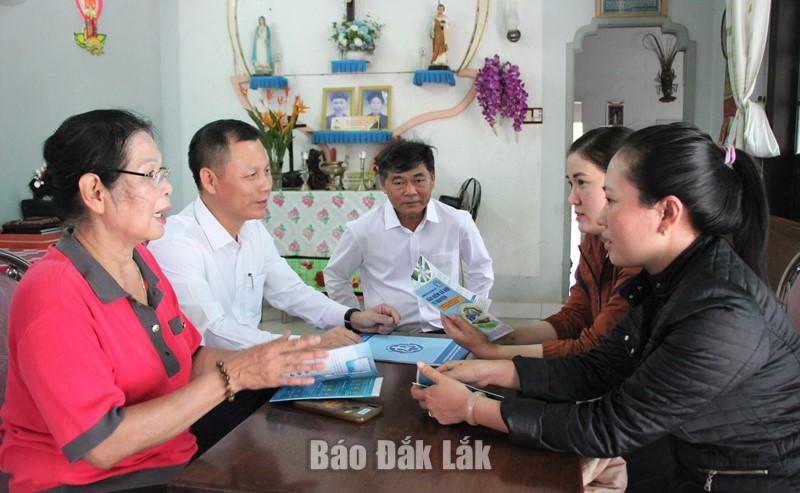
| Residents receiving guidance on administrative procedures at the Provincial Public Administration Service Centre. |
At the Department of Industry and Trade, the AP review alongside simplification have focused on areas directly affecting business operations. Processing times for eight key procedures have been cut by 25 - 50%. Of these, four procedures relating to import and export activities, petroleum products combined with foreign representative offices have had their processing times reduced from 30 days to 15 working days. The other four procedures in the electricity sector have seen processing times cut from 14 days to 10 working days.
At the provincial level, the PPC has directed a review of 944 APs and issued 15 decisions approving plans to reduce or simplify 264 procedures. The focus is on eliminating cumbersome documentation requirements, shortening processing times while promoting the reuse of digitised data, thereby reducing requests for citizens and enterprises to resubmit information already available in the system.
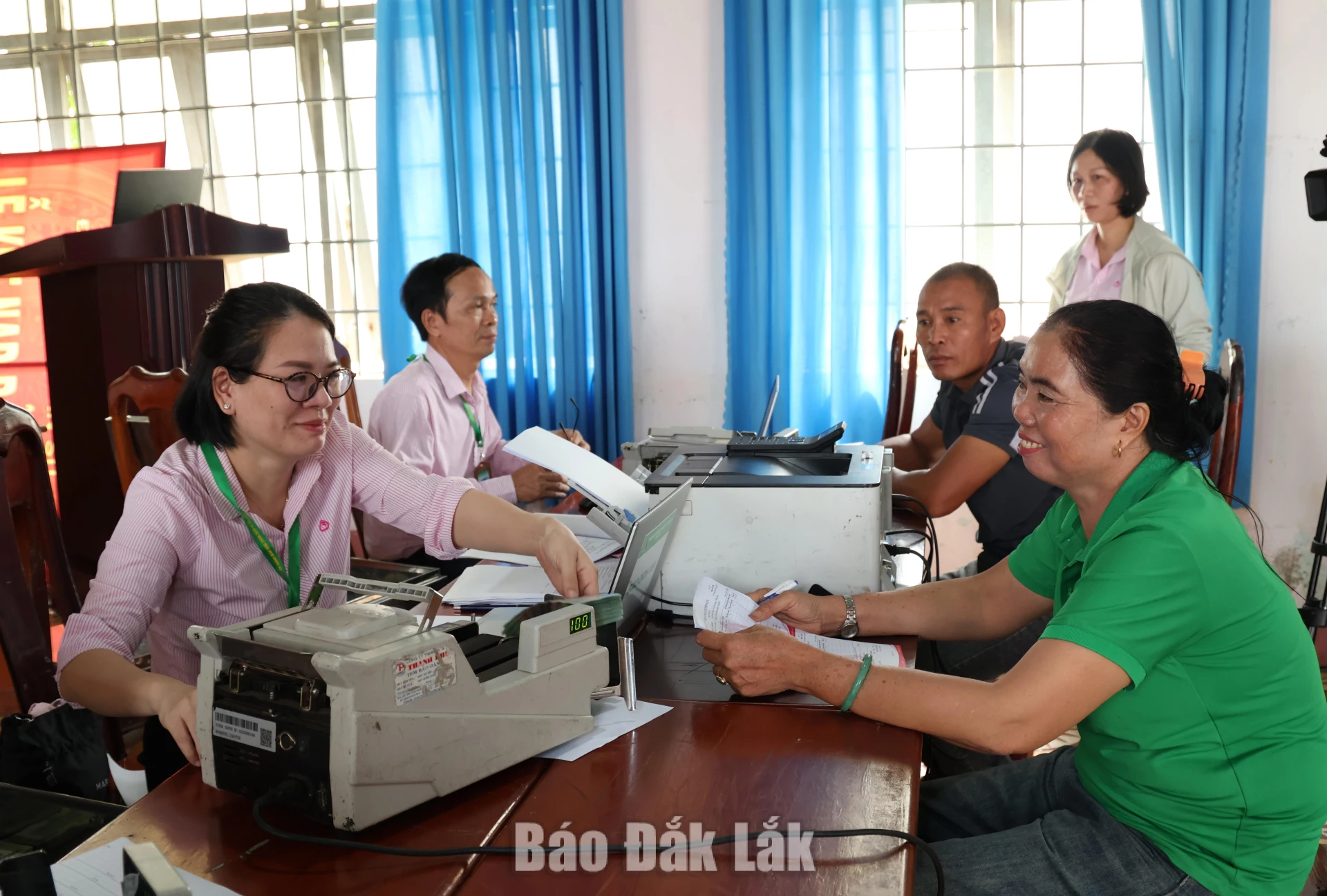
Alongside procedural reforms, the province is stepping up the IT application to the receipt and processing of applications. During the first 10 months of 2026, online submissions accounted for 95.85% of all applications received. The province also provided 1,621 fully online public services, equivalent to 100% of services eligible for online provision.
Towards tangible outcomes
Beyond shortening processing times and simplifying procedures, Dak Lak is focusing on improving coordination among agencies in handling administrative applications. The “green lane” mechanism for monitoring as well as expediting the processing of inter-agency applications has been introduced to clearly define responsibilities at each stage while minimising delays or the need to transfer applications between multiple agencies.
The receipt and handling of feedback coupled with recommendations from citizens and enterprises have also received attention. Since the beginning of the year, the province has received 1,100 submissions, of which 1,071 have been fully resolved as well as answered.
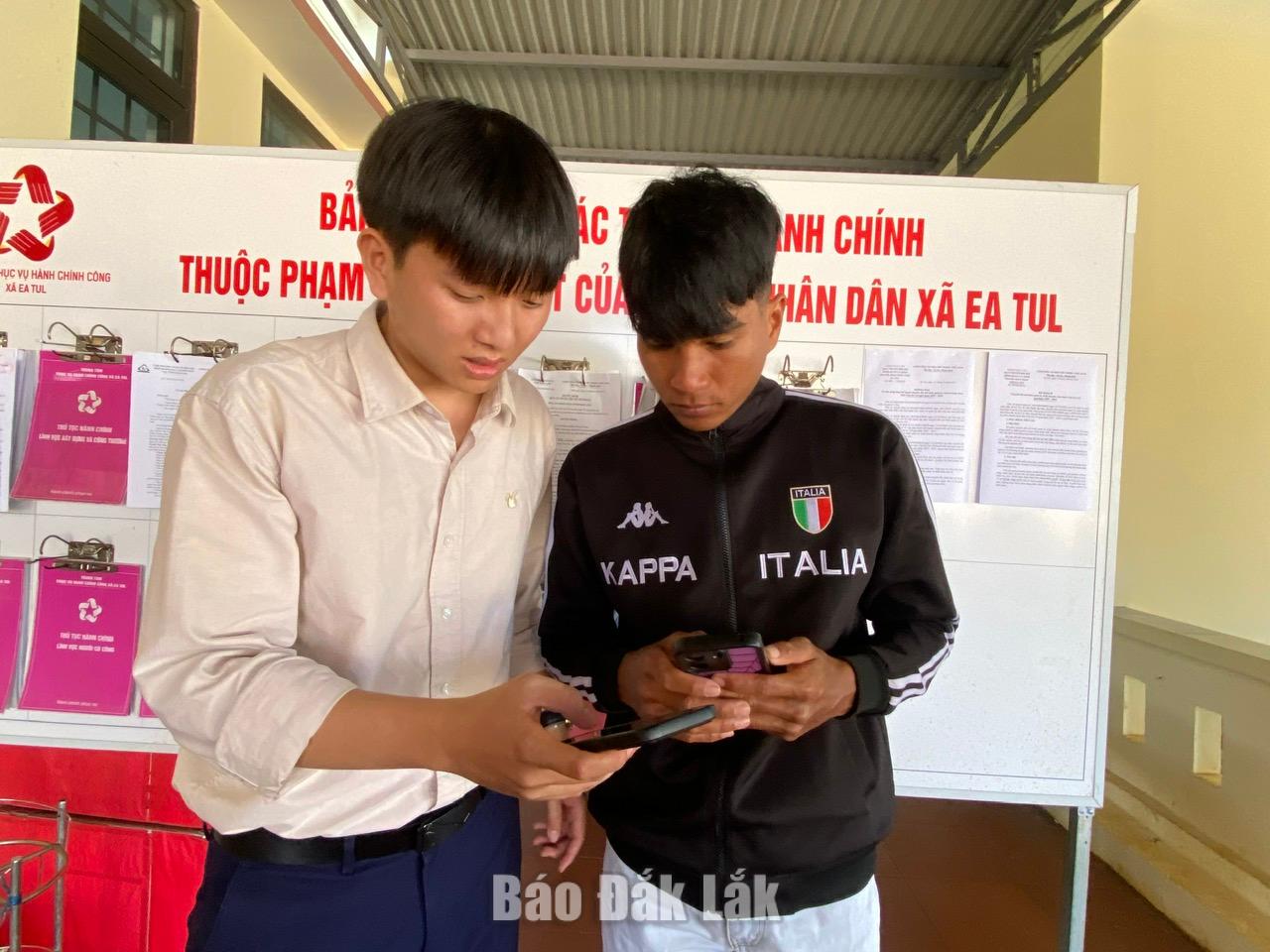 |
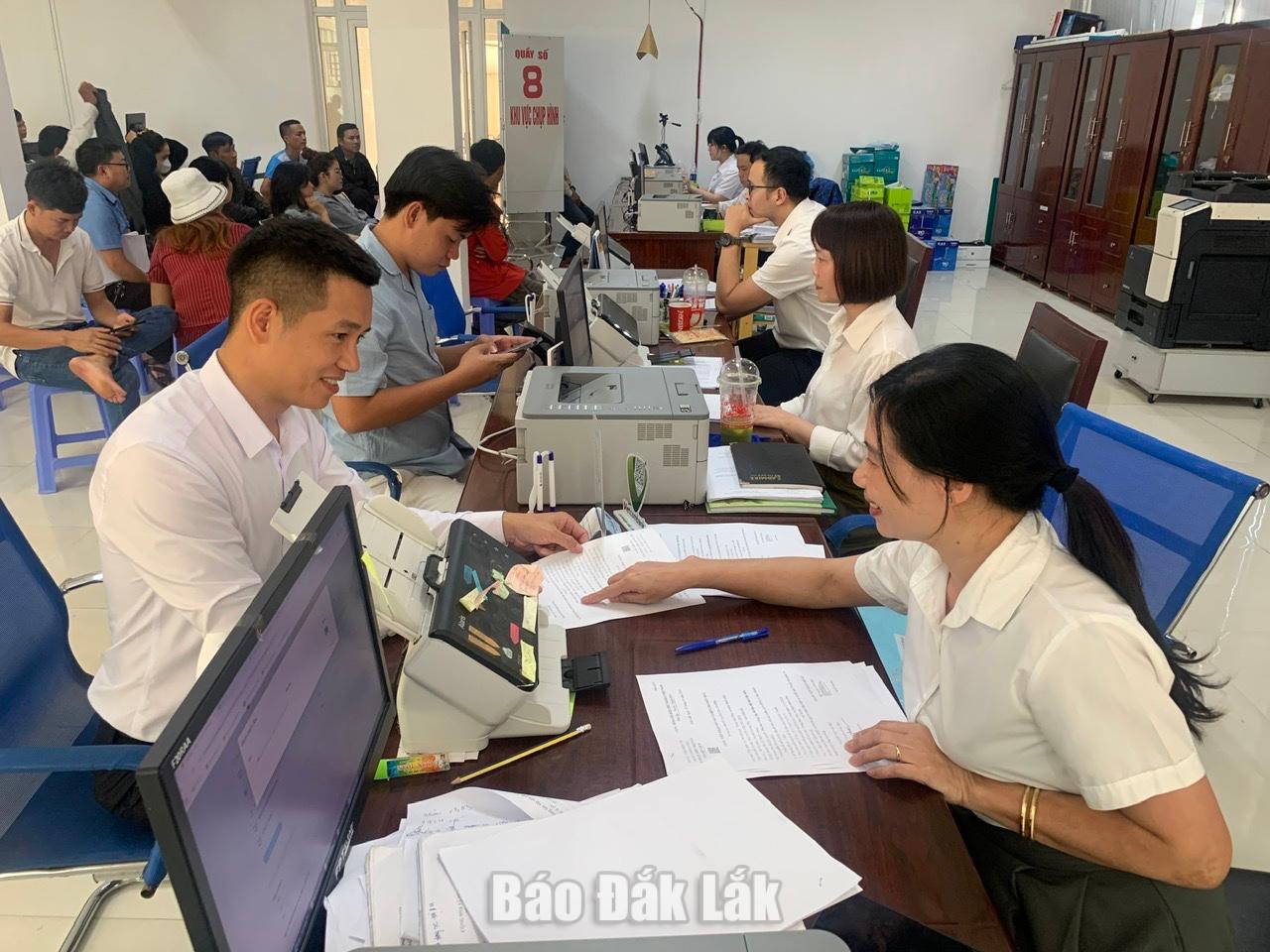
| Residents of Ea Tul Commune receiving guidance on accessing online public services. |
Nevertheless, the reform process still faces several shortcomings that need to be addressed, including overdue applications in some sectors, incomplete integration of specialised databases, and limited digital skills among some residents in remote coupled with mountainous areas.
To address these shortcomings, the province has identified the need to link the accountability of heads of agencies, units and localities to application processing times along with service quality. Comrade Ho Thi Nguyen Thao, Member of the Provincial Party Standing Committee and PPC Standing Vice Chairwoman, has called on heads of agencies, units together with localities to strengthen administrative discipline and order, ensuring no applications are overdue due for subjective reasons. She also called for a focus on resolving technical bottlenecks, particularly those involving data synchronisation with central government systems. Authorities at all levels are required to step up information dissemination and public communication, while providing more guidance to residents on accessing online public services.
For Dak Lak, the objective is not merely to maintain the rate of applications processed on time or improve its rankings in performance assessments, but also to build a disciplined and modern administration that places citizens coupled with enterprises at the centre of public service delivery. This is an important driver of investment attraction and local socio-eco development.
Translated by KHUONG THAO