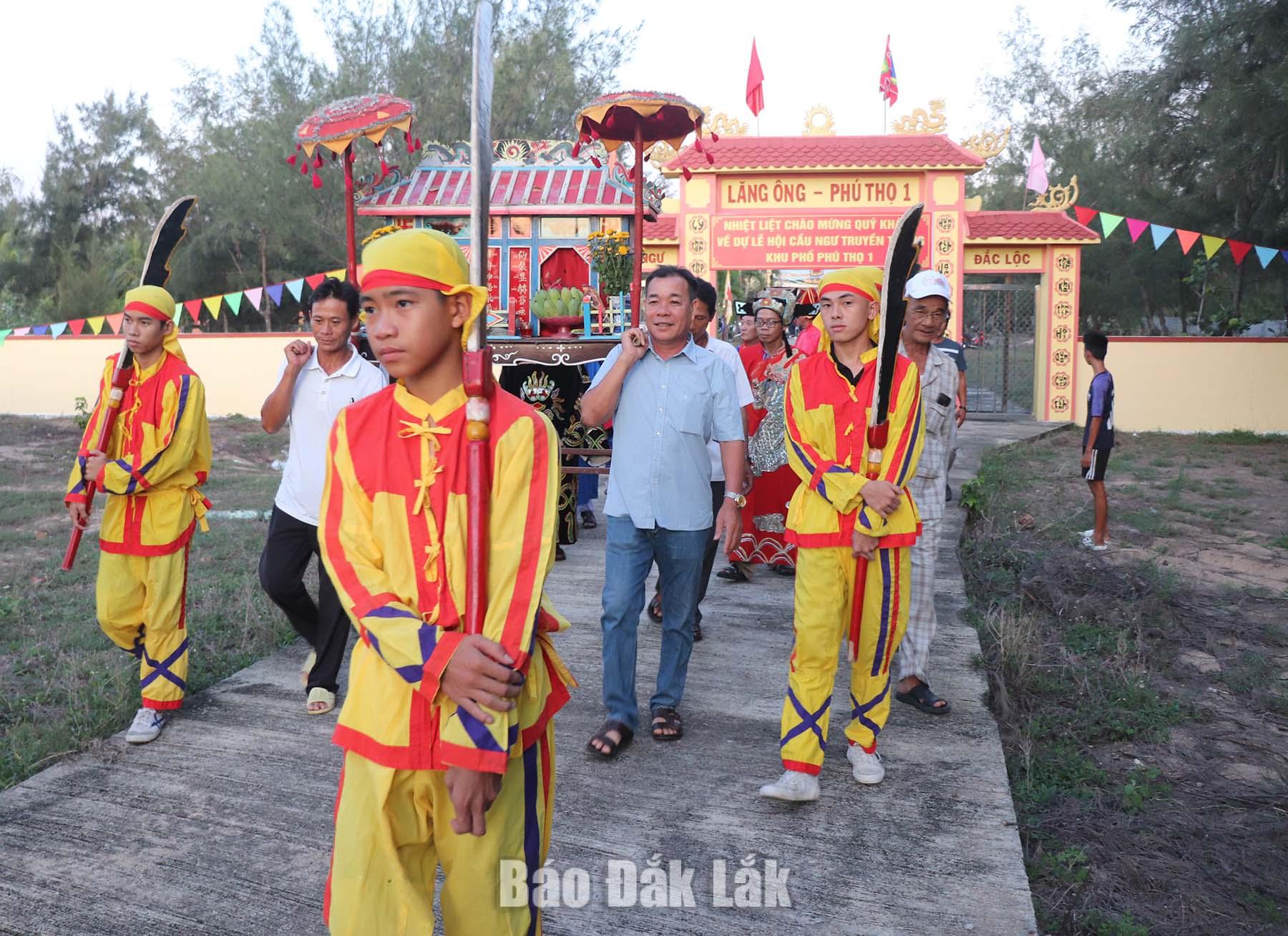
From the gong sounds, traditional longhouses, indigenous crafts to local cuisine, along with folk knowledge, indigenous culture is paving the way for developing unique tourism products in Dak Lak province.
Dak Lak province possesses a distinct advantage in experiential tourism development, thanks to its indigenous culture richness. This cultural wealth extends beyond officially recognized heritage sites or festivals; finding expression in daily life, manifesting in rituals, traditional crafts, culinary practices, farming experiences, together with stories passed down through generations. These elements provide a foundation for local communities to develop tourism offerings with a truly unique identity.
In Lien Son Lak commune, besides Lak Lake backdrop, the cultural life of the M’nong people adds a captivating appeal to the destination. Visitors can enjoy the natural scenery while also engaging in activities involving feeding elephants, listening to mahouts share stories about elephant care, or staying in traditional longhouses. Furthermore, tourists can join their hosts in preparing local meals as well as gain insight into the daily community lives.
Comrade Nguyen Anh Tu, Deputy Secretary of the Party Committee, Chairman of the People’s Committee of Lien Son Lak commune, notes that the area holds significant potential for tourism development rooted in its natural ecosystem combined with M’nong cultural values, including the Gong culture space of the Central Highlands, traditional brocade weaving, pottery making, longhouse architecture, folk performance arts. The commune has organized workshops on traditional performance arts, brocade weaving, pottery, basketry; it has also worked to restore traditional festivals alongside support traditional attire and gongs to cultural performance groups.
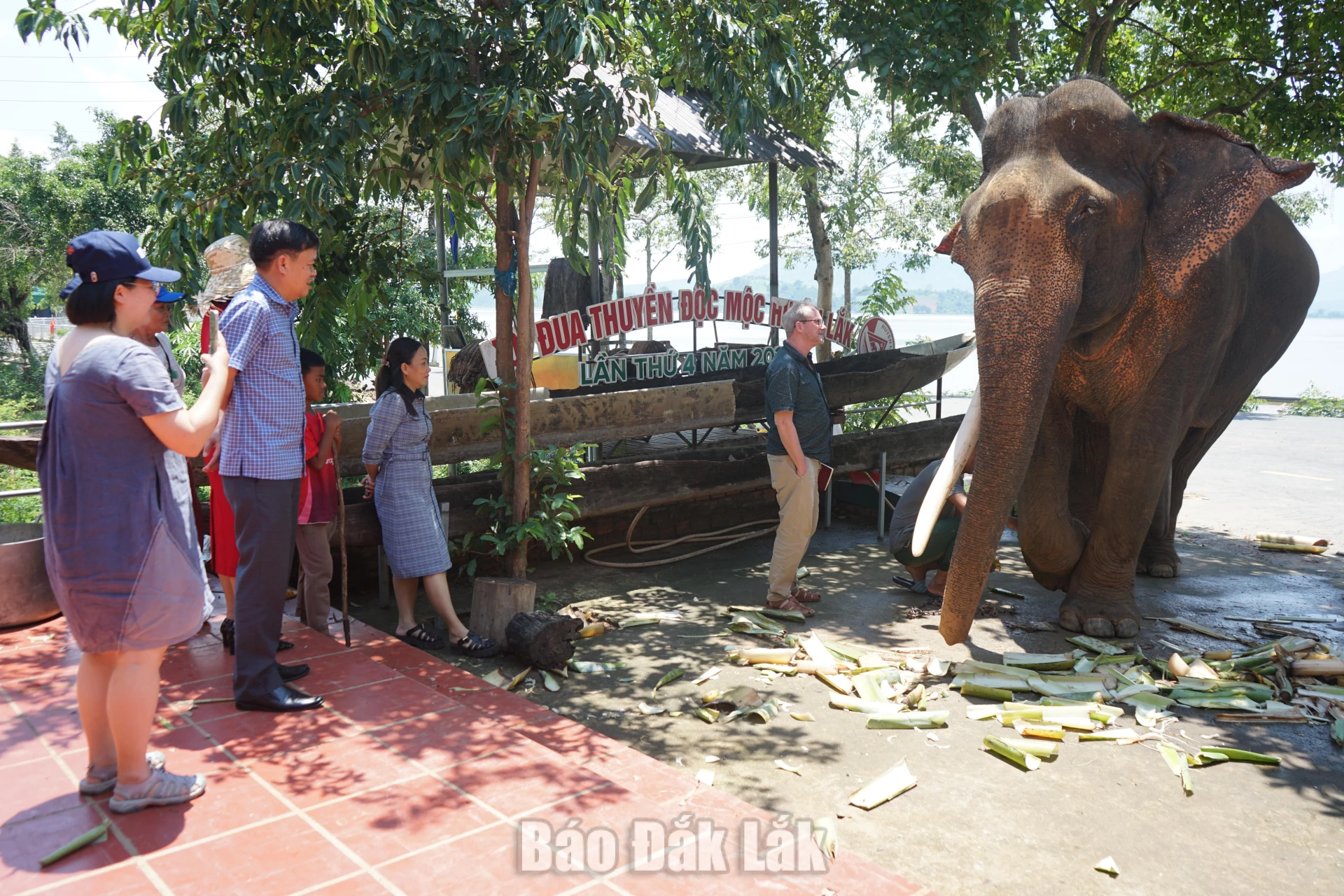 |
| Tourists happily taking photos and feeding elephants while visiting Lak Lake. |
Beyond the village culture, the traditional production knowledge alongside techniques also offer promising avenues for experiential tourism development. In Dak Lak province, the coffee is not merely a crucial agricultural commodity; it is deeply intertwined with the regional economic history combined with the cultivation expertise. Coffee plantations can serve as destinations where visitors learn about the entire process, from planting, tending, harvesting to preliminary processing, roasting, and finally, enjoying a cup of coffee; thereby bridging agricultural production with tourism services.
Similarly, the traditional crafts, including weaving, pottery-making, traditional cuisine preparation, can be brought into experiential programs for visitors. This approach also enables local communities to preserve their traditional crafts while generating additional income through tourism.
Integrating traditional culture into visitor experience
To bring culture closer to the public, performances featuring rituals, gong music, artistic traditions of various ethnic groups are regularly organized for both local residents and tourists.
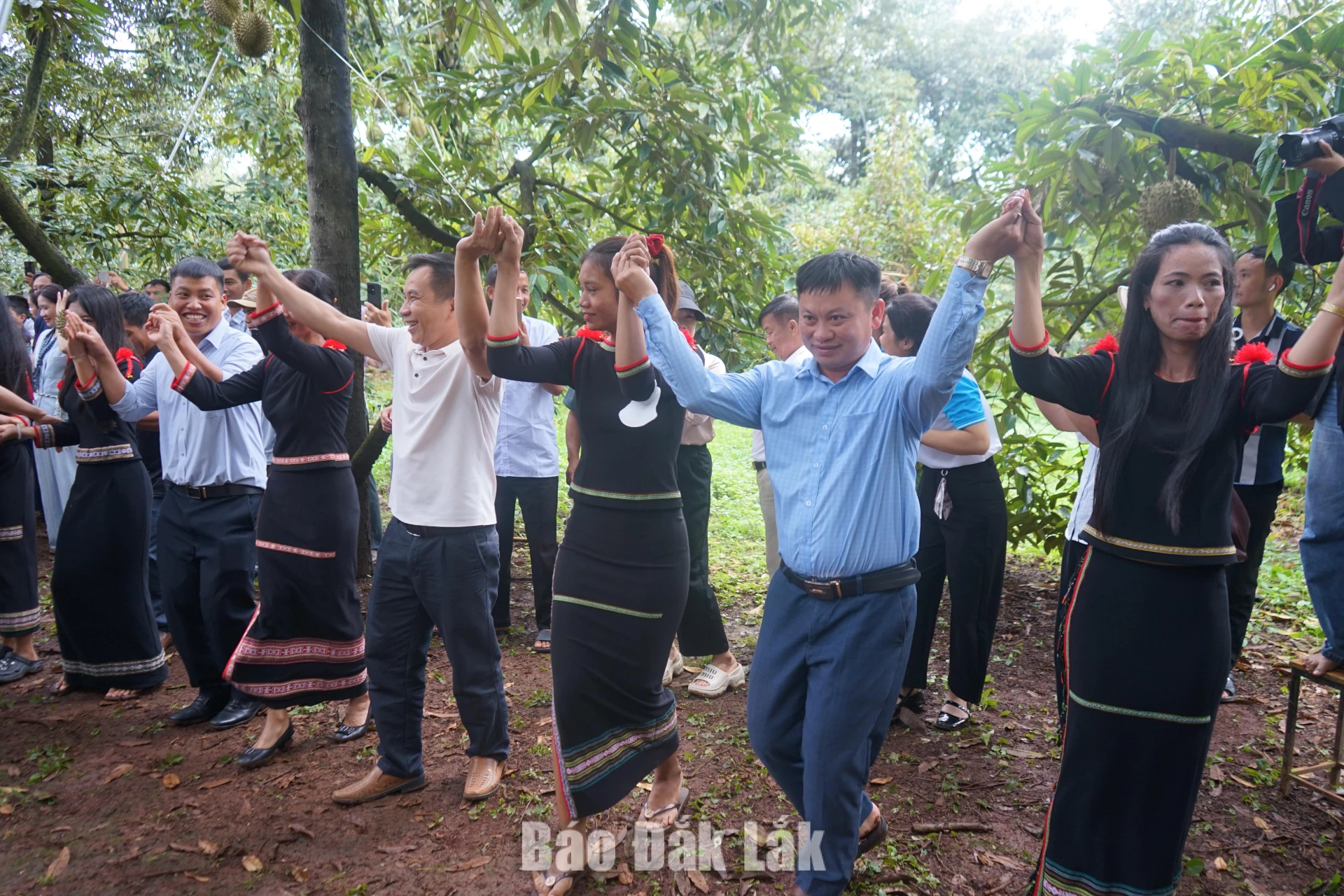 |
| Visitors from Lao Cai joining in the traditional ‘xoang’ dances performed by Ede women during an experiential cultural tour in Dak Lak province. |
At the Dak Lak Museum, beyond simply viewing the exhibits, visitors have the opportunity to interact with artisans, explore traditional crafts, sample local cuisine, as well as engage in activities rooted in the daily lives of the regional diverse ethnic communities.
Participating in a reenactment of the Ede people’s “New rice ceremony” at the Dak Lak Museum, artisan Y Kruh Nie (from Cuor Dang commune) remarked: “The culture passed down by our ancestors is a precious treasure. To preserve it for future generations, we must first ensure that it is known by more people in more places. By reenacting these rituals, I hope to attract even more visitors to Dak Lak.”
In reality, today’s travelers seek more than just sightseeing; they want to gain insight into local life, discover customs, learn to prepare traditional dishes, try their hand at local crafts, or participate in activities tied to the daily community life. This approach allows for tourism development integrated indigenous culture exploration; a direction that Dak Lak province is pursuing to extend visitors’ stay length coupled with increase their spending.
Translated by TRINH THUY