Buon Ma Thuot’s traditional villages are poised for significant transformation, driven by emerging opportunities in ecotourism and high-tech agriculture.
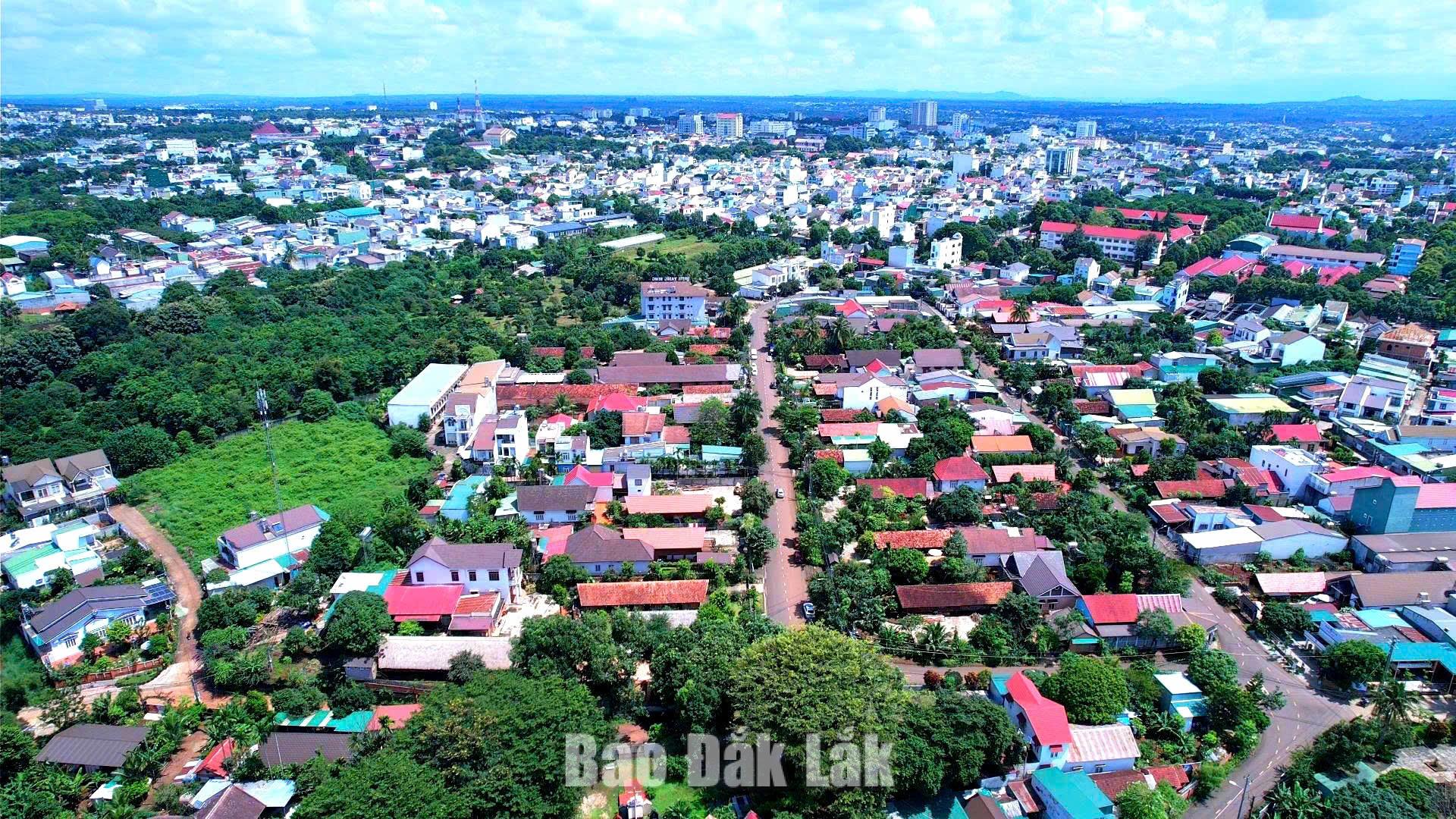
Under the master plan with a vision towards 2050, Buon Ma Thuot aims to preserve the villages’ traditional character and cultural values while promoting ecotourism and community-based tourism in Ako Dhong, Tong Ju and Tuor villages, alongside nature exploration and cultural experiences along the Serepok River corridor.
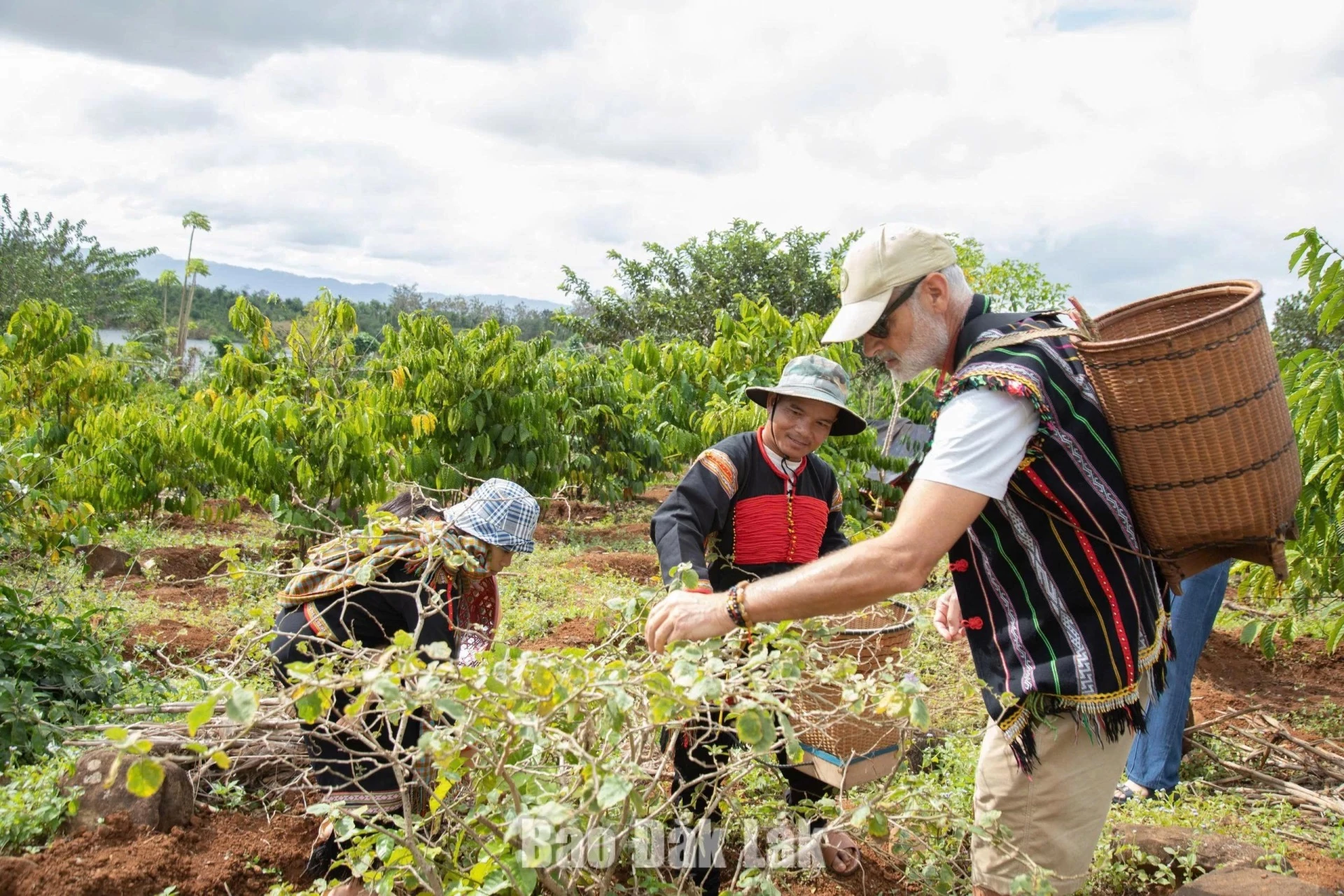 |
| Foreign visitors experiencing community-based tourism in Dak Lak’s traditional villages. |
Ms. H'Wiet Bya, Head of Ako Dhong Village, said that since being recognised as a community-based tourism village in 2023, the village has attracted visitors with experiences showcasing indigenous culture. Seven households are currently engaged in tourism activities, offering homestays, local cuisine and gong performances.
Residents of Ako Dhong Village hope the State will continue investing in transport infrastructure, street lighting and pavements, alongside policies to preserve traditional architectural spaces, thereby supporting sustainable tourism development.
|
The vitality of Buon Ma Thuot as a modern city lies not in replacing traditional villages with concrete structures, but in creating an economic space that gives heritage wings, while allowing heritage to breathe life into development. |
According to comrade Nguyen Thanh Vu, Chairman of the Buon Ma Thuot Ward People's Committee, priority should be given to community-based cultural tourism, allowing visitors to experience the customs and daily lives of ethnic minority communities, particularly the gong cultural heritage recognised by UNESCO. Comrade also stressed the importance of linking destinations province-wide to promote as well as spread cultural values.
The strategic goal is to transform Buon Ma Thuot from a short-stop destination into a place where visitors stay longer, spend more and contribute greater economic value to the tourism sector. However, given the development requirements of an area with an expanding urban footprint, the province needs to review alongside assess investment resources as well as the benefits delivered to each locality.
Linking livelihoods with heritage preservation
Cultural identity will gradually fade if it cannot provide a livelihood for those who work tirelessly to preserve it. Safeguarding traditional villages, therefore, must go hand in hand with developing sustainable livelihoods.
One example is Maison de KaThy homestay in Tuor Village, Hoa Phu Commune, which attracts visitors by showcasing the authentic Ede culture. Experiences on offer include exploring the matrilineal way of life, foraging for wild vegetables, coffee processing, wearing traditional costumes and brocade weaving. However, the model still faces challenges related to infrastructure within the village, human resources, service connectivity as well as access to preferential loans.
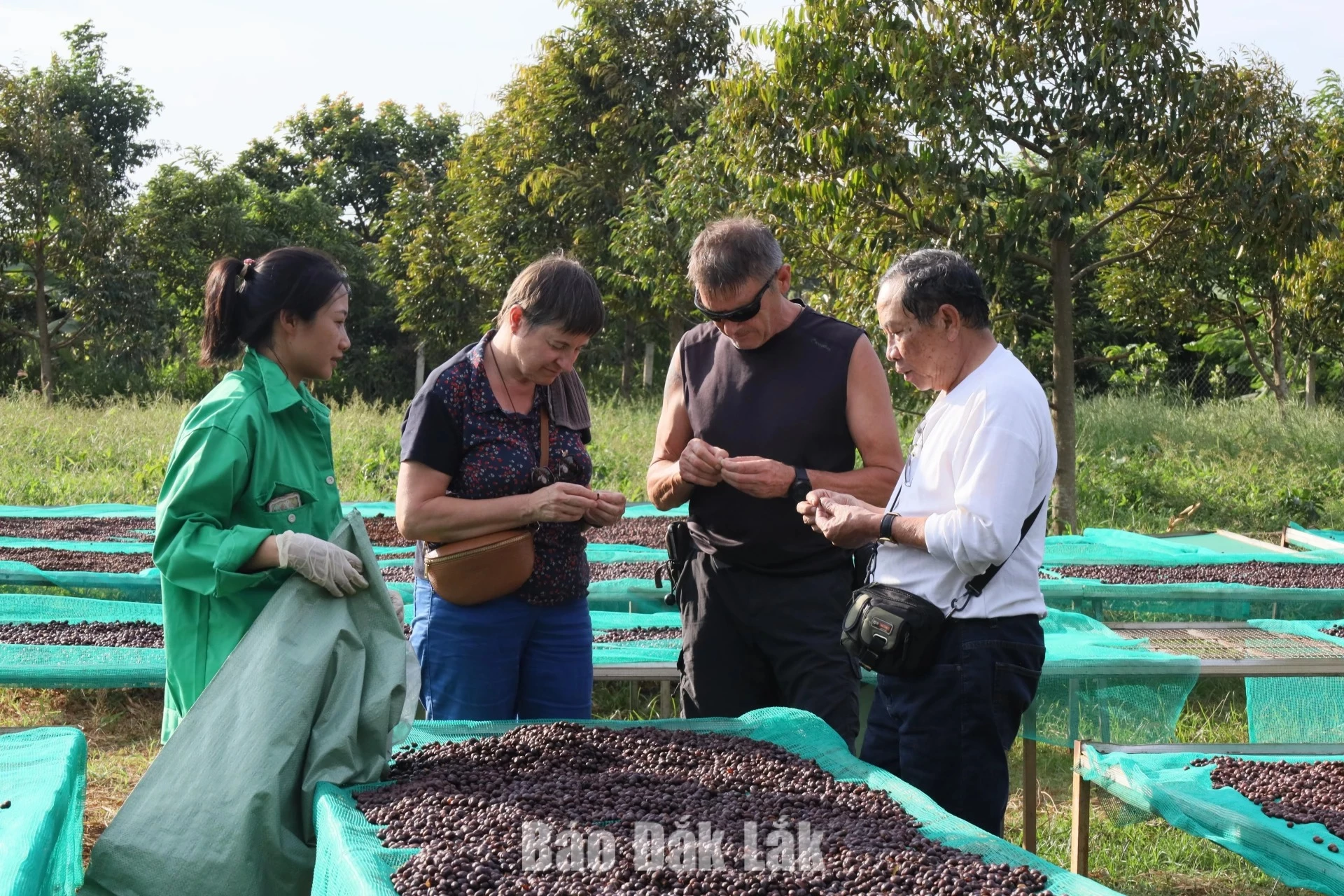 |
| Visitors exploring the production process of high-quality coffee at Aeroco Coffee Farm. |
Ms. H Belly Eban, a representative of the homestay, proposed that the province invest in infrastructure in tourism villages; provide on-site training in hospitality skills, foreign languages and promotion; simultaneously, simplify loan procedures; and strengthen links with travel companies to support sustainable tourism development.
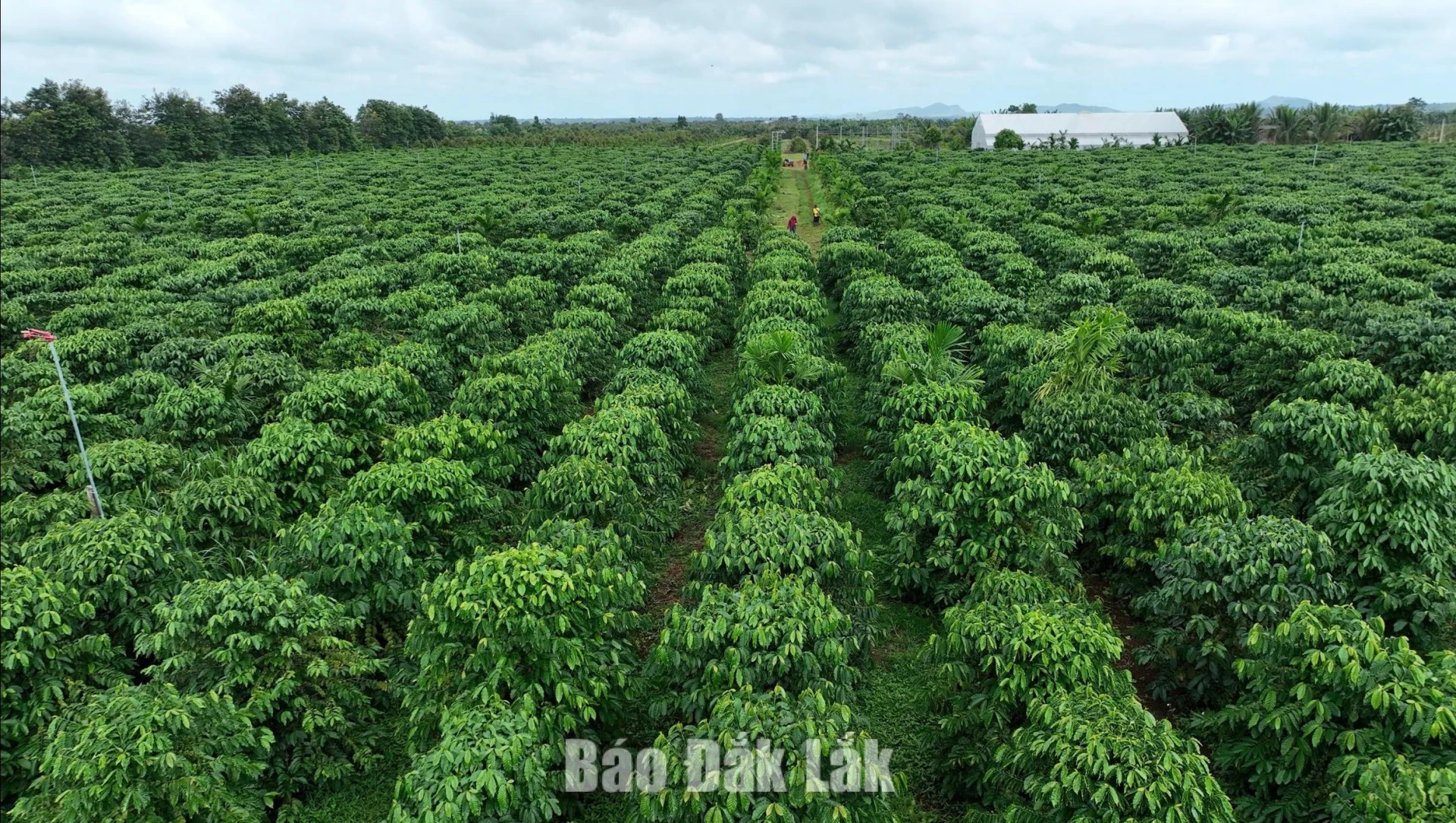
Alongside ecotourism, the regional distinctive agricultural sector, particularly coffee, holds the key to unlocking further potential. Linking coffee destinations with village cultural sites, waterfront landscapes and resort areas will gradually create a diverse along with distinctive “Coffee City Map”. Traditional cultural spaces are also being incorporated into tourism planning, allowing visitors to experience first-hand the processes of coffee cultivation, harvesting, processing and on-site tasting. This model not only promotes the coffee brand but also extends agricultural tourism value chain.
When residents of traditional villages can build prosperous livelihoods on their ancestral land, drawing on their own speciality coffee plantations combined with intangible cultural heritage passed down through generations, they will become the strongest advocates and guardians of their cultural identity.
Translated by HAI LOAN