China’s sweeping revisions to sanitary and phytosanitary (SPS) measures, particularly Decree No. 280 scheduled to take effect on June 1, 2026, are placing Vietnamese agricultural enterprises under mounting pressure.
The core change under Decree No. 280 is a strong shift from an administrative support mechanism to enterprise autonomy and accountability. Accordingly, enterprises must register independently through CIFER system, the online portal of General Administration of Customs of China (GACC), after obtaining an introduction letter from the competent authority, instead of relying entirely on state management agencies to handle the process as before. In addition, relevant regulations concerning production facility registration, food safety control, animal as well as plant quarantine, labelling, packaging, and traceability must be updated alongside disseminated promptly and comprehensively to all stakeholders.
 |
| Chanh Thu Dak Lak fruit processing factory meeting the stringent standards of international markets. |
The new regulations are placing significant pressure on key agricultural localities, particularly Dak Lak, home to more than 824,000ha of agricultural land, with agricultural exports accounting for a major share of export turnover. Numerous provincial export enterprises combined with cooperatives in the province remain uncertain about technical requirements and transitional procedures.
Ms. Nguyen Thi Thu Phuong, Director of Damaca Nguyen Phuong Company, one of Dak Lak’s leading macadamia processing and export enterprises, said: “Our biggest difficulty lies in fully along with accuratedly applying the regulations in actual production. We need practical, hands-on guidance so that we can confidently invest in and complete processes that meet the importing country’s requirements”.
Proactively addressing obstacles
Mr. Ngo Xuan Nam, Deputy Director of the Vietnam SPS Office under the Ministry of Agriculture and Environment, said the office together with relevant parties are urgently disseminating information and supporting enterprises in areas ranging from standardising factory images to improving document management capacity. However, enterprises must also carefully study regulations alongside guidance while comprehensively standardising documentation, from declared information to images of factories and production facilities.
 |
| Agricultural processing enterprises in Dak Lak investing in modern machinery and technology to standardise production processes in line with increasingly demanding export market standards. |
To help enterprises and cooperatives adapt effectively, Mr. Dang Phuc Nguyen, General Secretary of the Vietnam Fruit and Vegetable Association, proposed that the Ministry of Agriculture and Environment should soon issue specific guidance on synchronising data between Vietnam’s growing area management system coupled with the GACC system. This solution would significantly shorten customs clearance time while minimising congestion risks at border gates. He also called for more intensive technical training in localities through hands-on instruction. The association further proposed establishing a direct response channel, via hotline or email, connecting enterprises directly with the Vietnam SPS Office.
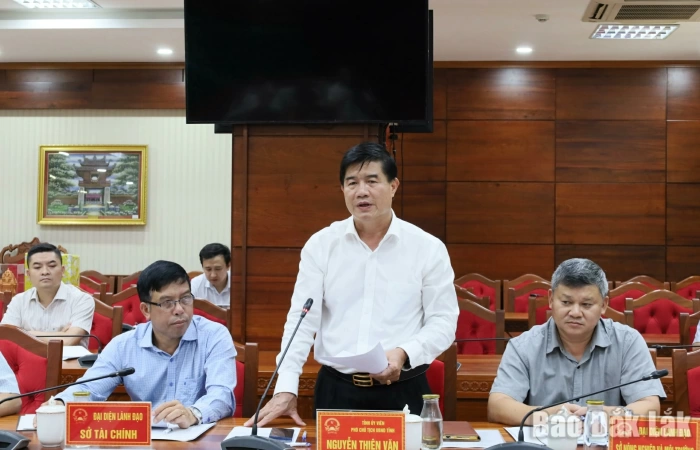
In Dak Lak, home to many of the country’s key agricultural export products, a comprehensive transformation strategy is required, from cultivation to data management, in order to maintain competitiveness in international markets, particularly within the Regional Comprehensive Economic Partnership (RCEP) region. PPC Vice Chairman, comrade Nguyen Thien Van affirmed that Dak Lak views compliance with international standards not only as pressure, but also as a driving force for restructuring the agricultural sector towards greater transparency as well as sustainability. The province will direct the Department of Agriculture and Environment, alongside relevant specialised agencies to immediately establish mobile task forces while strengthening inter-agency coordination to resolve documentation bottlenecks for cooperatives and export enterprises, ensuring no key export product encounters disruption at border gates after June 1.
Translated by KHUONG THAO