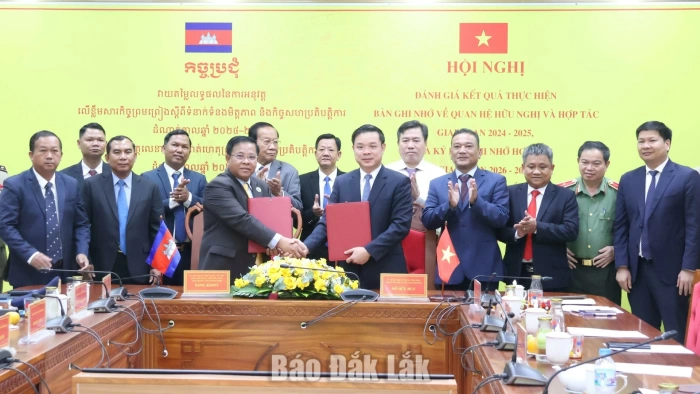
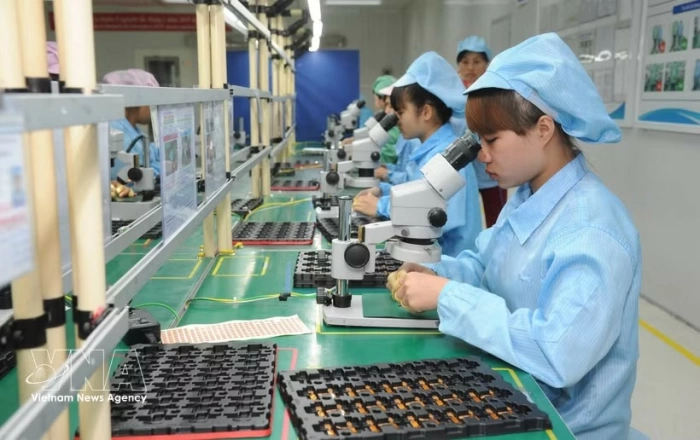
Resolution No. 10-NQ/TW, issued by the Politburo on June 8th, 2026, sets forth novel requirements for attracting coupled with utilizing international capital. For Dak Lak province, the challenge lies not merely in attracting more projects, but in selecting those that align with the provincial advantages, bringing in technology, market access, management expertise while generating added value for the local economy.
Dak Lak province currently hosts 60 active FDI projects with a total capital of approximately 2.2 billion USD. In the H1 of 2026, the realized FDI capital reached 288.1 billion VND (a 73.19% decrease), whereas non-state investment capital hit 18,297.8 billion VND (an 11.38% increase). This demonstrates that FDI is not a substitute for domestic investment but rather a means to supplement capabilities the local economy lacks, specifically in technology, management, market access, together with integration into international value chains.
With over 1 million hectares of agricultural land coupled with nearly 190 km of coastline, Dak Lak province possesses significant potential to attract FDI into the processing, preservation, agricultural alongside aquatic product distribution, as well as supporting industries, cold storage, logistics, all linked to raw material sources together with market outlets.
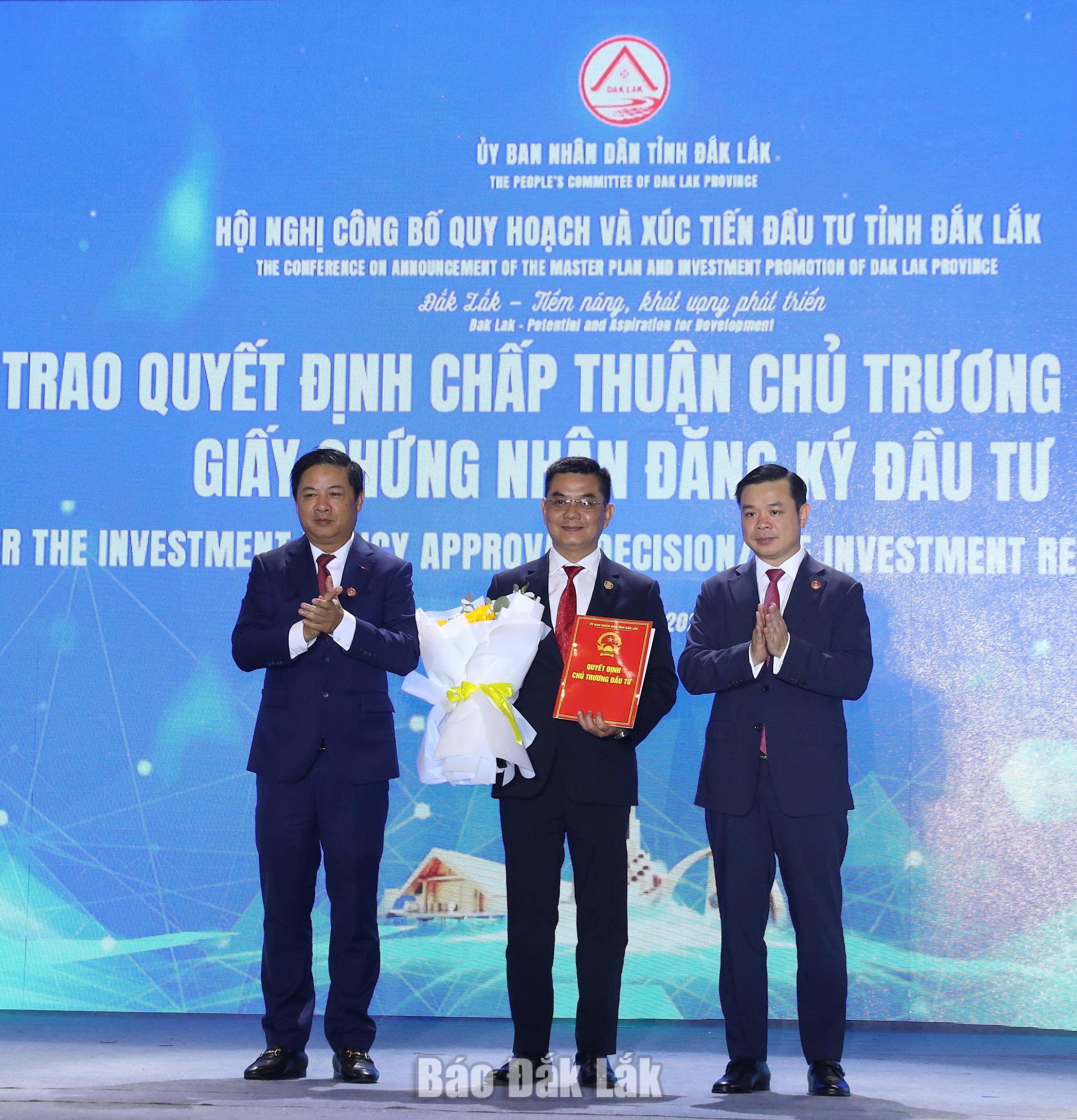 |
| Comrade Luong Nguyen Minh Triet, Member of the Party Central Committee, Secretary of the Provincial Party Committee, along with comrade Do Huu Huy, Alternate Member of the Party Central Committee, PPC Chairman, presenting the decision approving the investment policy at the Dak Lak Province Planning Announcement and Investment Promotion Conference held in June 2026. |
The province has outlined a portfolio of 257 investment projects for the 2026–2030 period, with estimated combined capital of approximately 1,031,766 billion VND. However, this is a general investment portfolio and does not equate solely to FDI capital. Crucial to success is the thorough preparation of land banks, infrastructure, electricity, water, raw material zones, human resources, logistics, combined with administrative procedures to bring projects to fruition, alongside closely supporting investors from the initial survey stage through to operational launch. Selecting investors requires a focus on technology, resource efficiency, market stability, in coordination with the potential for linkages with domestic enterprises. Support policies should be tied to tangible outcomes, including technology transfer, workforce training, innovation, together with environmental protection, thereby enhancing the growth quality rather than merely increasing the FDI capital.
Consequently, investor selection is just as crucial as investment promotion. Priority should be given to projects that utilize appropriate technology coupled with resource efficiency; possess consistent markets; especially, have the capacity to create spillover effects for domestic enterprises. Support policies must also be linked to practical outcomes, involving technology transfer, workforce training, innovation, combined with environmental protection, thereby improving growth quality rather than simply boosting FDI capital.
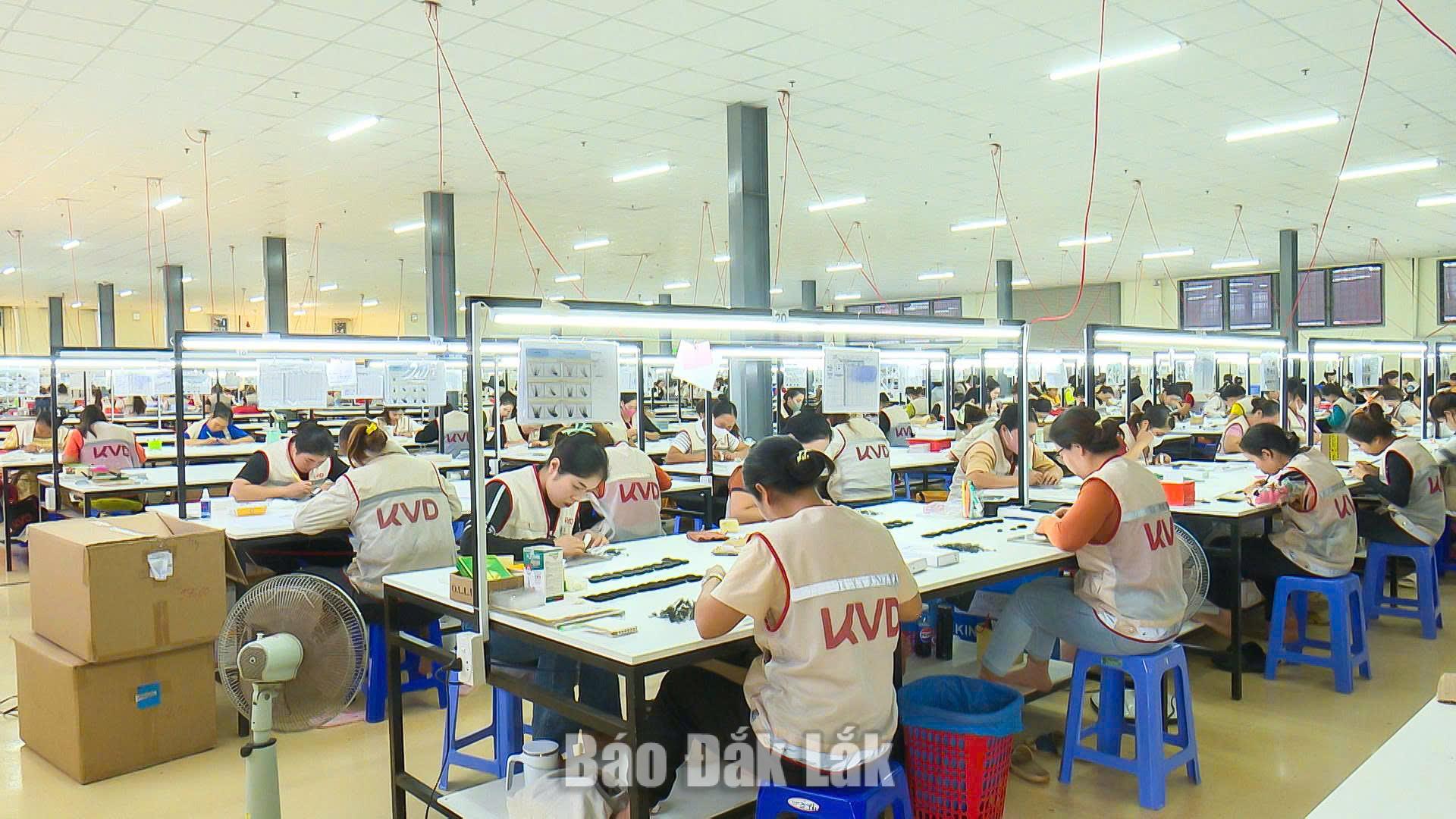 |
| Workers at KVD Vina Co., Ltd. (a 100% South Korean-owned enterprise) in Tan An Industrial Cluster, Tan An ward, Dak Lak province. |
Linkages with local enterprises should be considered right from the project selection stage. Agricultural processing projects generate significant spillover effects only when integrated with raw material zones, suppliers, logistics networks, together with a capable workforce. Therefore, the province needs to enhance the domestic enterprises’ capacity, facilitating them meet standards in conjunction with participate in international supply chains; the deeper the local enterprises’ involvement, the greater the retained value and economic impact within the province.
Project effectiveness should be evaluated based on concrete outcomes, comprising job creation, budget contributions, technology, market access, processing depth, alongside linkages with domestic enterprises. For Dak Lak province, attracting investment must go hand-in-hand with assessing investor capacity, ensuring the efficient use of land and resources, as well as environmental protection. Once projects become operational, the province must monitor the commitment fulfillment combined with ensure project quality throughout the entire lifecycle, from implementation through operation.
Contemporary development opportunities provide the province with greater scope for industry, services, logistics, as well as for connecting raw material zones with markets. However, these advantages are meaningful only when transformed into tangible projects that operate effectively coupled with are deeply integrated into the local economy.
Translated by TRINH THUY