Faced with climate change pressures, Dak Lak provincial agricultural sector is undergoing a significant shift from an “extractive” mindset to a “nurturing” approach through circular economy alongside regenerative agriculture models.
While Dak Lak province possesses strong potential for agricultural development together with the value-chain establishment around strategic products, it also generates a large amount of agricultural by-products along with waste each growing season. The province encourages developing circular agriculture, repurposing waste into fertilizer and livestock feed, promoting green, clean production, reducing emissions, combined with adapting to climate change.
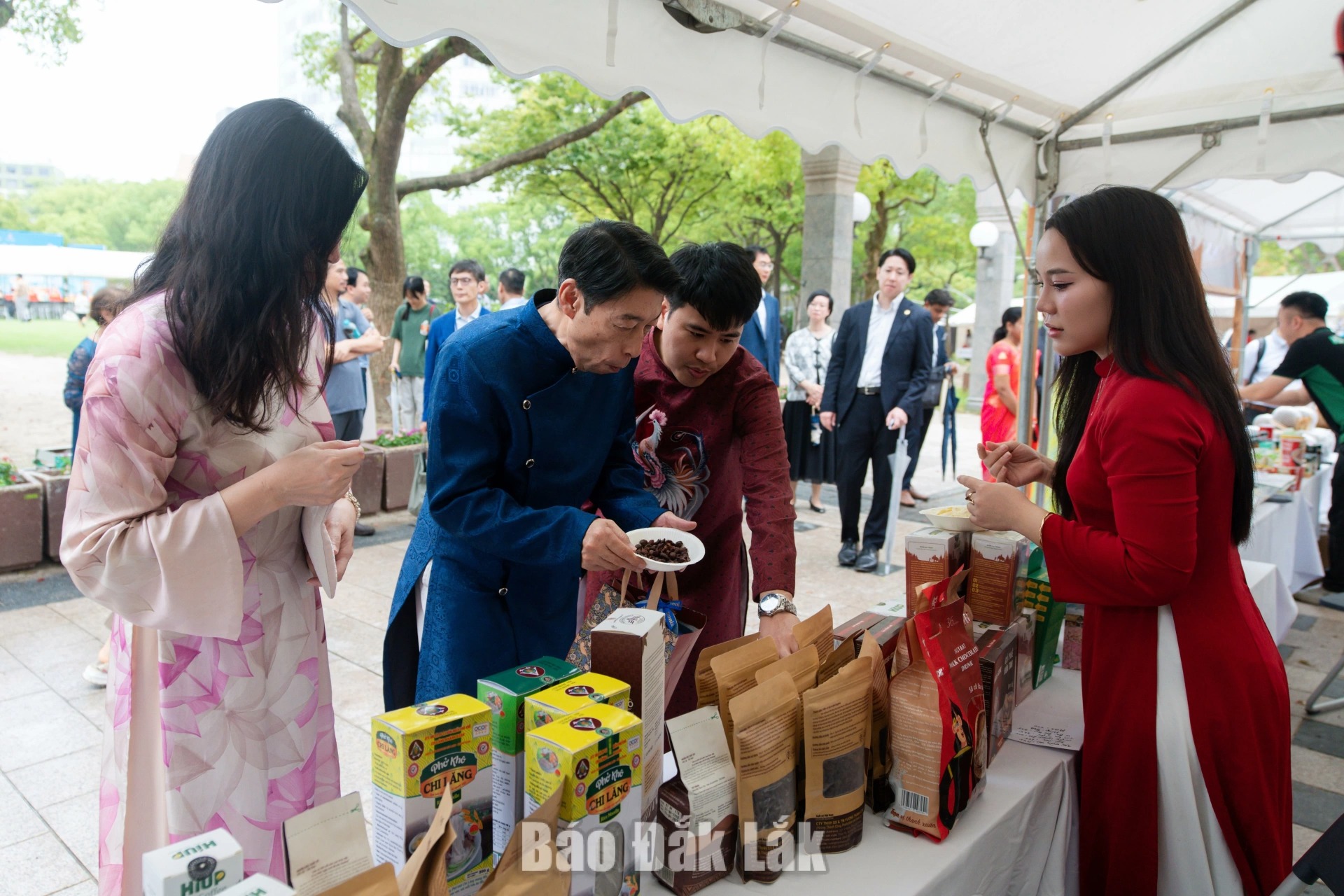
A prime example of “closing the value chain” is the circular economy model implemented by the Dong Din General Trading Agricultural Cooperative. The cooperative utilizes water used to soak pineapple peels to produce safe, eco-friendly floor cleaner along with dish-washing liquid, while composting pineapple peels and eyes into organic microbial fertilizer. According to Mr. Nguyen Hoang Chuong, the Cooperative Director, recycling organic fertilizer back into the fields has allowed the cooperative to cut chemical fertilizer costs by 30% to 40%, boost members’ incomes up 20% to 30%, together with successfully develop a 4-star OCOP product.
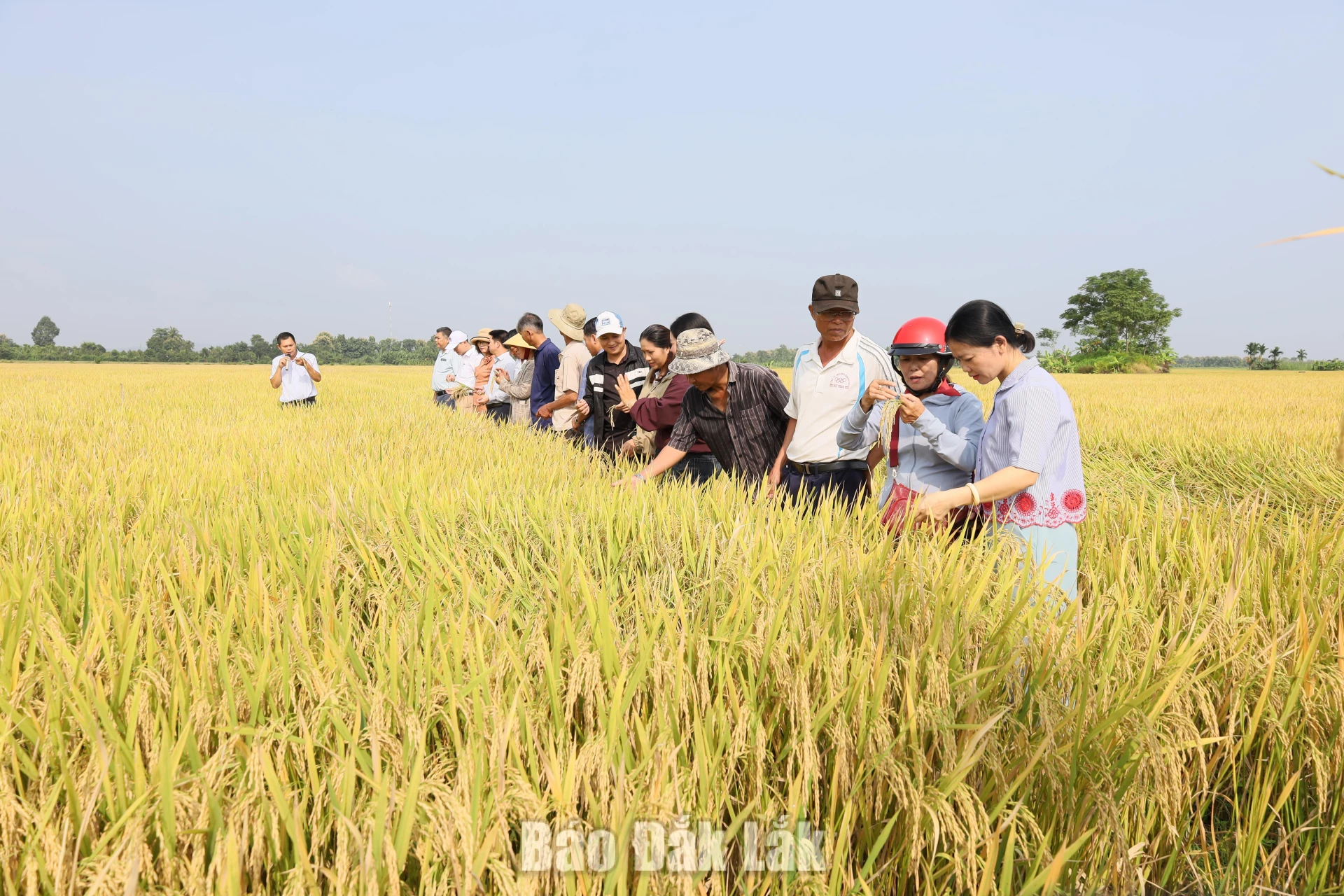 |
| Low-emission rice farming model in Hoa Phu commune. |
Similarly, regarding coffee cultivation, the Nescafe Plan program guides farmers in utilizing agricultural by-products, such as coffee husks, dried branches alongside leaves, for soil mulching or composting into microbial fertilizer for their orchards, rather than burning them. This practice helps maintain soil nutrients coupled with fertility.
Mr. Pham Phu Ngoc, Head of the Nestle Vietnam branch in the Central Highlands, emphasizes that sustainable coffee farming requires increasing the organic matter content in the soil. In practice, combining using organic matter with maintaining grass cover enables farmers to save from 40% to 60% on irrigation water in conjunction with reduce chemical fertilizer and pesticide use by 20%, while remaining yields of from 3.5 ton to 4 tons/ha, helping to increase income by 30% to 150%.
Positioning for the carbon credit market
Beyond significant achievements in industrial crops alongside fruit trees, low-emission farming has substantially succeeded in rice cultivation across localities. This model employs the “alternate wetting and drying” (AWD) water management technique coupled with comprehensive collection of post-harvest rice straw, completely eliminating the polluting practice of field burning.
Implementation over five crop seasons in Hoa Phu commune shows that the seeding rate has dropped down 80kg to 130 kg/ha. These technical adjustments save farmers from 1.2 million VND to 2.5 million VND/ha per crop in production costs, while the average annual yield has increased by 0.61 ton/ha (an 8.4% rise). The model has also been verified along with certified by international organizations for successfully reducing emissions by 286.58 tons of CO2e.
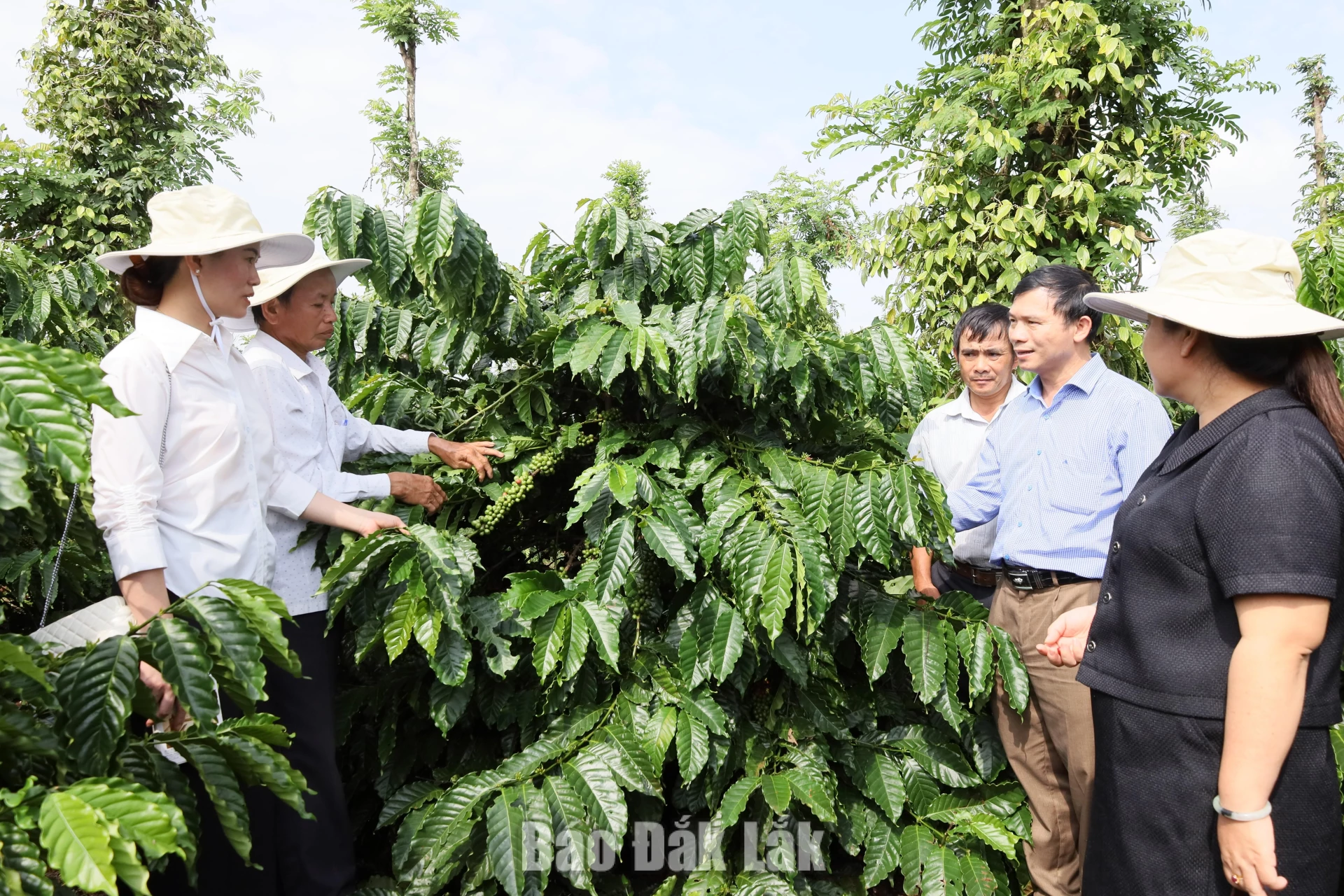 |
| Ecologically sustainable coffee farm in Ea Ning commune. |
According to Mr. Do Van Chung, Deputy Head of the Agricultural Systems Department at the Western Highlands Agriculture and Forestry Science Institute (WASI), this low-carbon rice model aligns with Vietnam’s trend toward sustainable agricultural cultivation. “We have implemented five such models in the Ea Sup area, they have been highly appreciated by local farmers, even though NPK fertilizer usage was reduced by at least 25% to 30%,” Mr. Chung shared.
Currently, Dak Lak province has over 170,000 hectares under wet-rice cultivation, producing 1.32 million tons annually, ranking first in the South Central Coast and Central Highlands regions. With two cropping seasons alongside a reliable irrigation system, the province is well-positioned for low-emission rice production. Notably, by end of 2028, the government mandates that companies discharging emissions report their carbon footprints, opening up opportunities to generate carbon credits from rice production, resulting in directly boosting farmers’ incomes.
Seizing this opportunity, the Provincial Agricultural Extension Center is advocating for continued funding priority to upgrade on-farm irrigation systems, accelerate comprehensive mechanization, gradually scale up the model across crucial rice-growing communes together with regions, aiming for a modern, circular, climate-resilient agricultural sector.
Translated by TRINH THUY