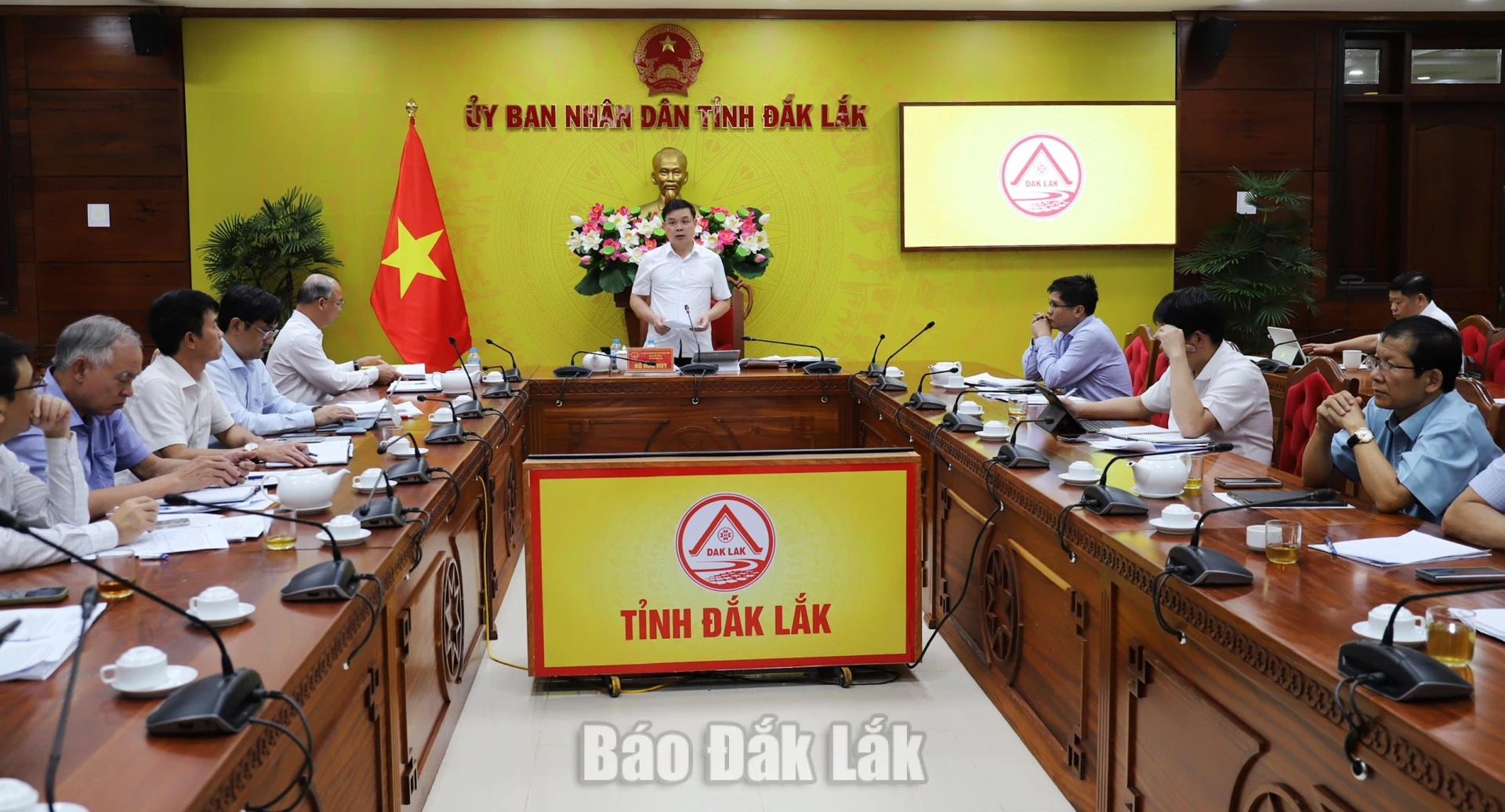
Faced with pressures from production costs alongside green development requirements, efficiently and economically utilizing energy has become a vital solution. It helps ensure energy security, contributing to achieving green, sustainable growth goals, enhancing the business competitiveness.
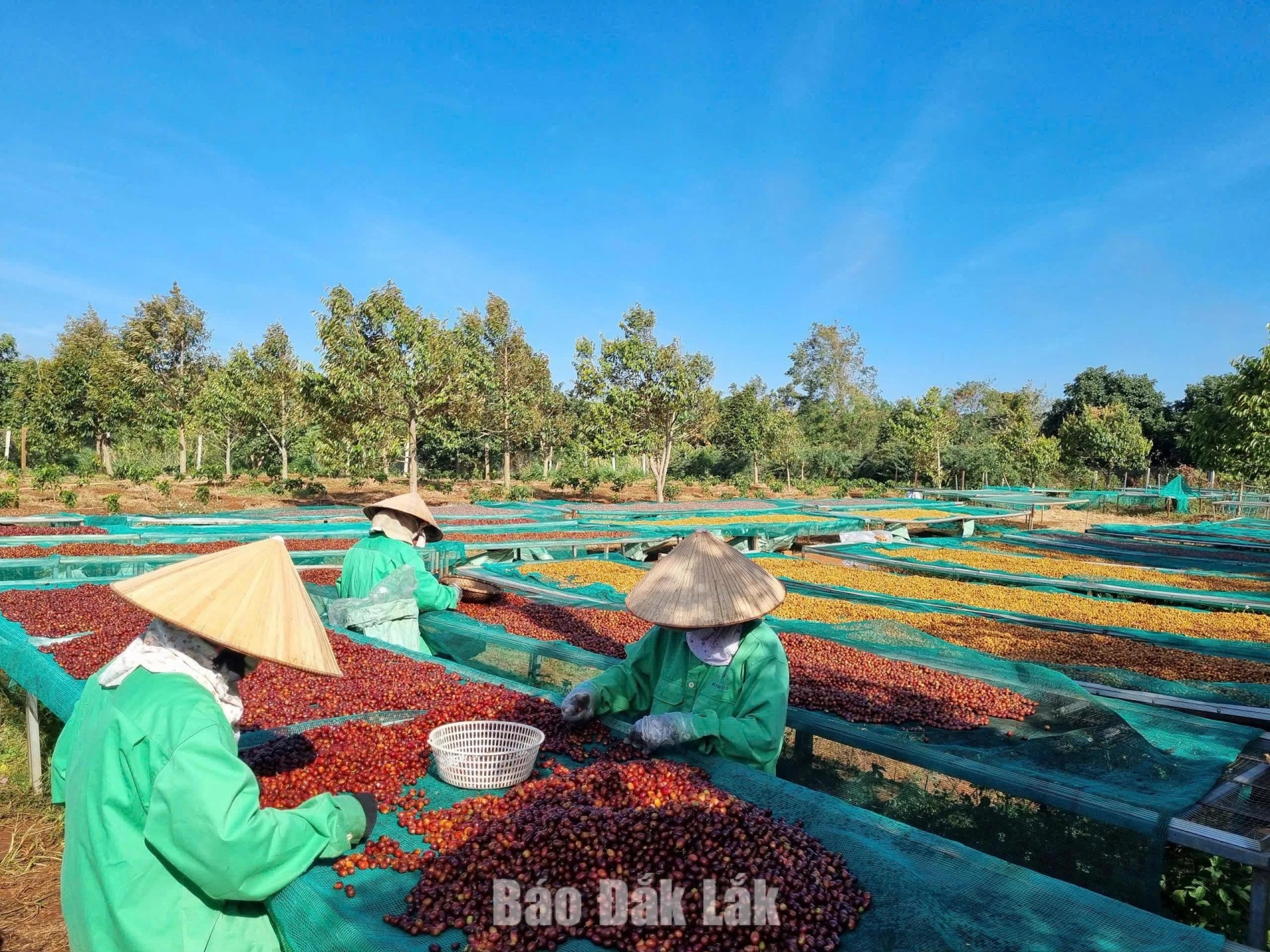
In Dak Lak province, within the agricultural production along with processing sectors, energy is primarily consumed by activities involving drying, milling, processing, cold storage, together with machinery operation. If equipment coupled with technology are not optimized, leading to excessive energy consumption, input costs rise, negatively impacting production and business efficiency.
In reality, several enterprises still face challenges due to limited capital, technology, combined with management capacity. Energy management should be viewed as a long-term process integrated into production strategy, rather than merely a reactive measure.
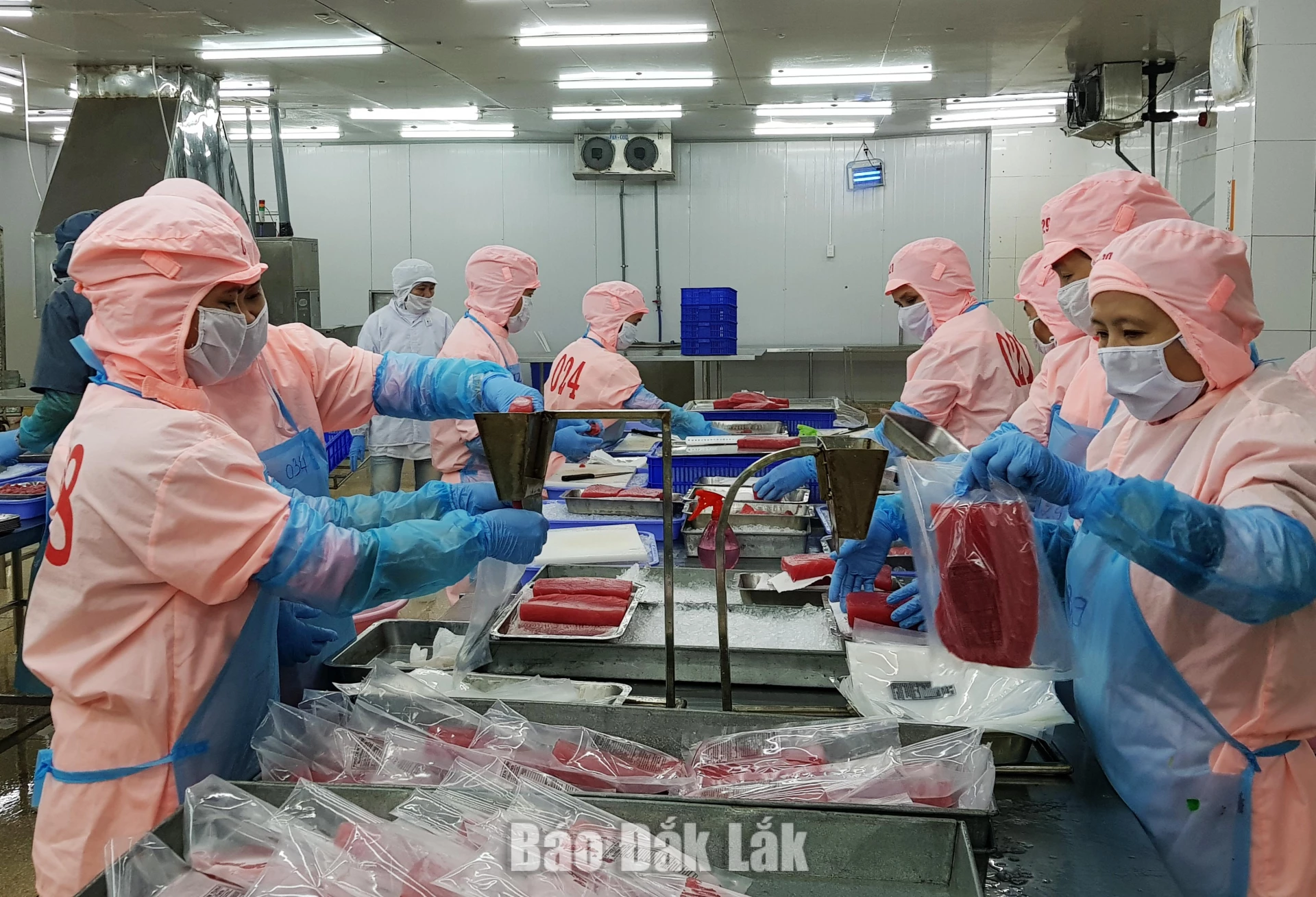 |
| Energy conservation serving as a key strategy for enhancing business competitiveness. |
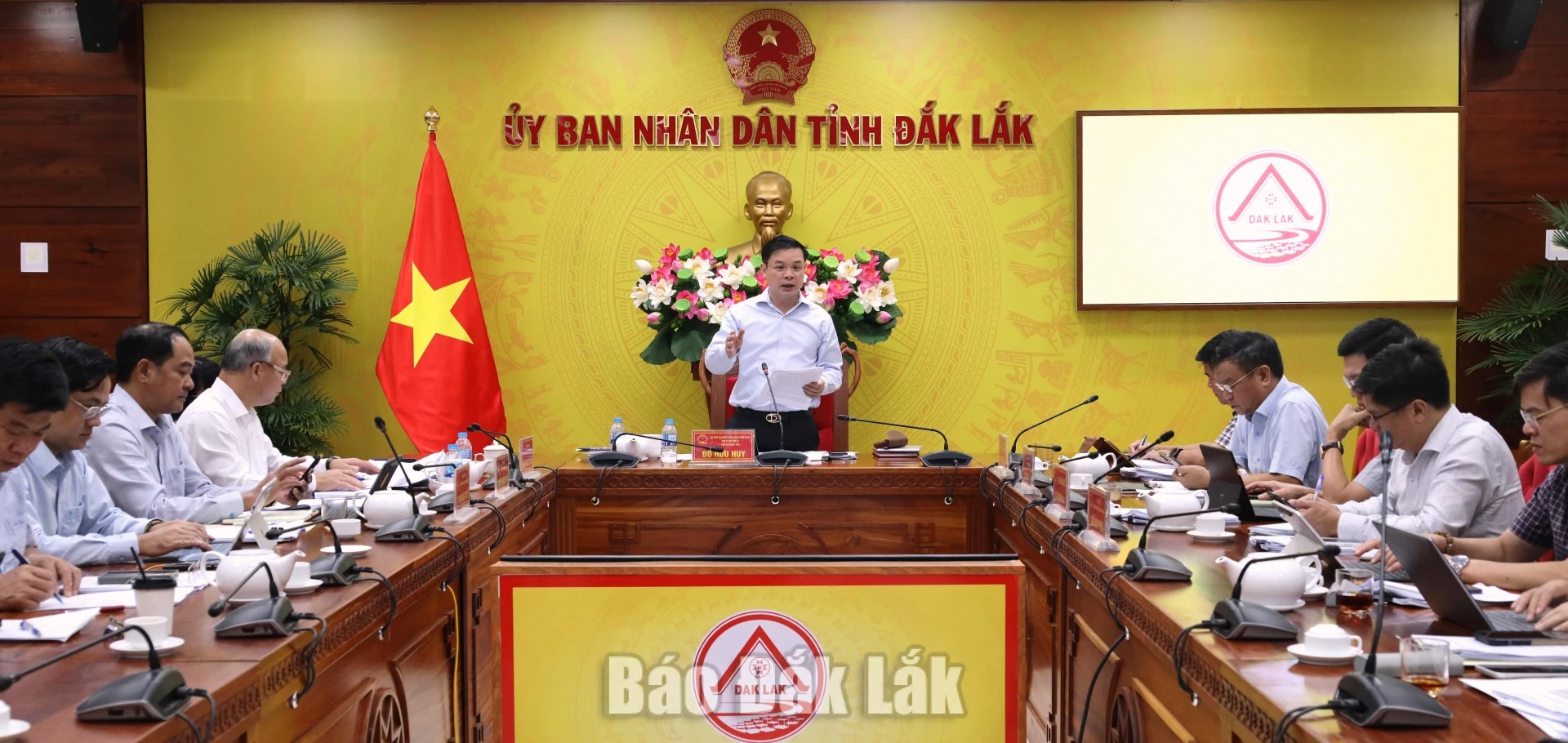
Mr. Nguyen Hai Trieu, Deputy Director of the Department of Industry and Trade, suggests a shift in approach: moving beyond advocacy alongside awareness-raising toward directly guiding in conjunction with supporting businesses to implement concrete solutions. Key areas focused should include auditing energy, establishing consumption quota, selecting high-efficiency equipment, calculating investment payback periods. Energy saving effectiveness, cost reductions, along with model scalability should serve as essential criteria for evaluation.
Appropriate solutions
According to the Dak Lak Power Company, during the first nine months of the year, over 194.8 million kWh of electricity was saved province-wide, equivalent to 6.28% of the total commercial electricity consumption. The province aims to achieve energy savings of from 8% to 10% or more of its total energy consumption for the 2026–2030 period; while reducing power losses to below 6% by 2030.
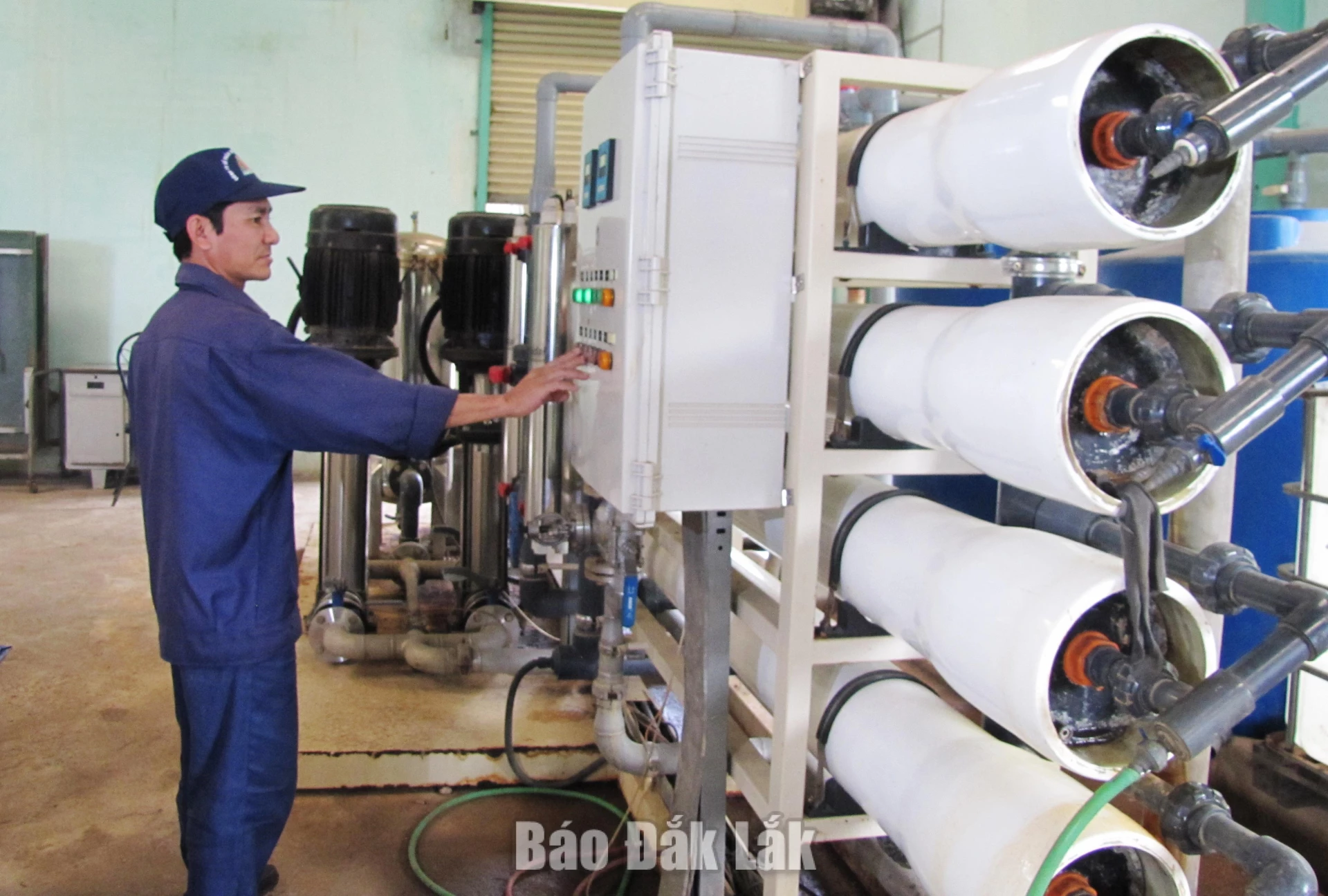 |
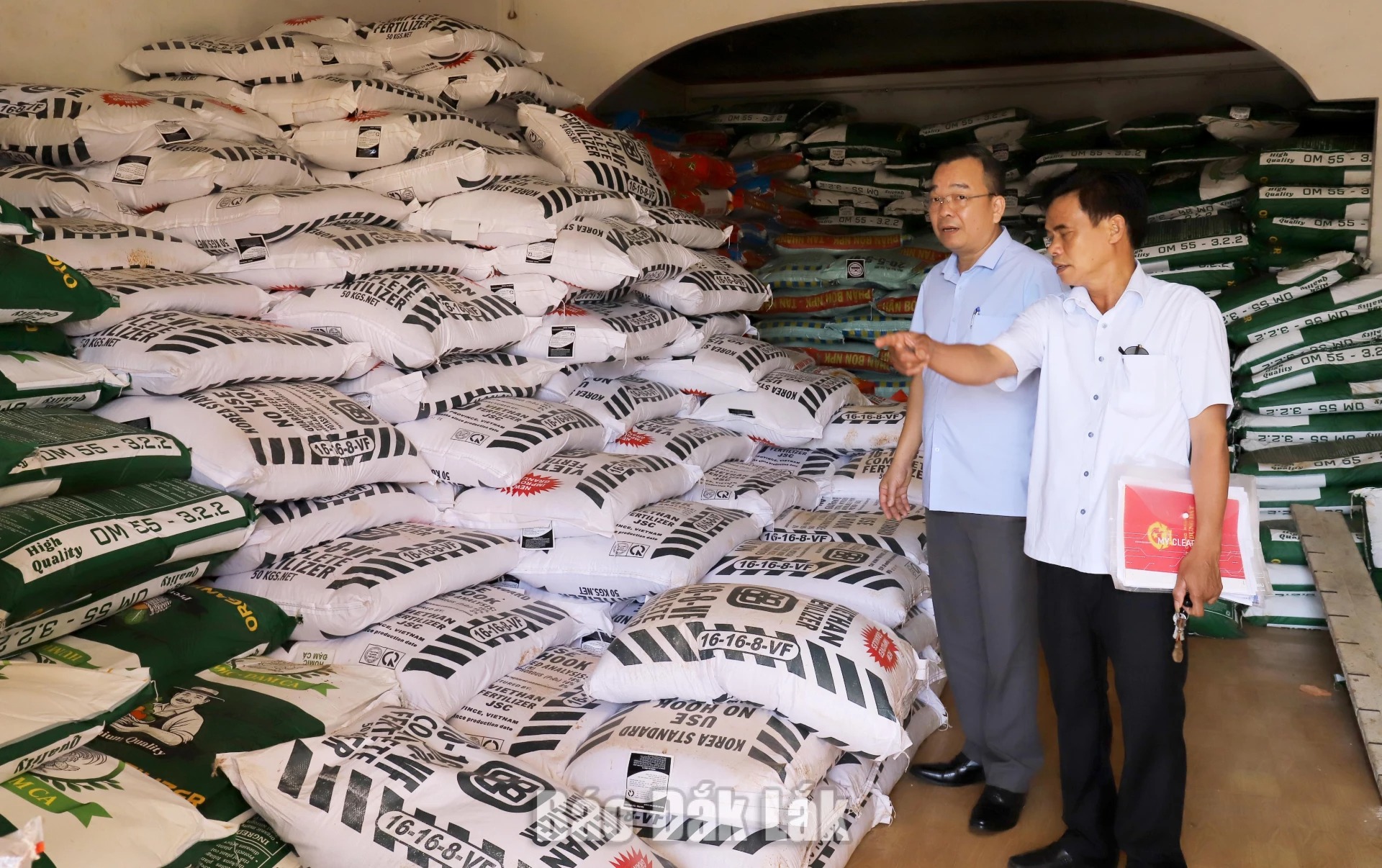
| Enterprises viewing energy conservation as a long-term management approach, integrated into overall development strategy. |
According to Mr. Ma Khai Hien, Director of the Center for Energy Conservation Research and Development, energy conservation should be pursued as a continuous improvement program. This can begin with reviewing data regarding electricity coupled with fuel bills, production output, operating hours, equipment inventories, technological process flowcharts. Energy audits, combined with on-site surveys and measurements, enable to identify waste sources, providing a basis for prioritizing solutions. In the long term, the focus should shift toward innovating technology, utilizing high-efficiency equipment, biomass fuels, in coordination with developing rooftop solar power.
Another approach involves establishing an energy management system capable of continuous tracking, monitoring, evaluating. By leveraging digital technologies, monitoring systems, together with relevant energy management standards, energy conservation efforts can be sustained continuously, rather than relying solely on sporadic, one-off inspections.
Mr. Nguyen Hai Trieu, Deputy Director of the Department of Industry and Trade, stated that the Department will strengthen policy guidance, facilitate access to technical solutions, provide training for energy management personnel, as well as encourage technological innovation. The province is also implementing initiatives to promote rooftop solar power for self-production and self-consumption, gradually exploiting on-site energy sources, easing the strain on the power grid.
Every kWh of electricity used efficiently not only helps businesses reduce costs but also contributes to environmental protection combined with the provincial socio-eco development.
Translated by TRINH THUY