In the new phase of development, the challenge lies not only to harness existing advantages but also to enhance value, strengthen competitiveness and build connectivity so that the marine economy can generate spillover effects across the provincial development space.
Removing bottlenecks
After nearly a decade of implementing Resolution No. 36-NQ/TW on the Strategy for Sustainable Development of Viet Nam’s Marine Economy to 2030, with a vision to 2045, Dak Lak has identified a number of issues that need to be addressed. Transport infrastructure connecting industrial parks, urban areas and coastal areas with seaports remains fragmented. Logistics services are underdeveloped, with insufficient integration between transport modes, while several marine economy projects have fallen behind schedule. The application of science and technology remains limited, alongside the supply of highly skilled workers and the ability to attract talent have yet to meet requirements.
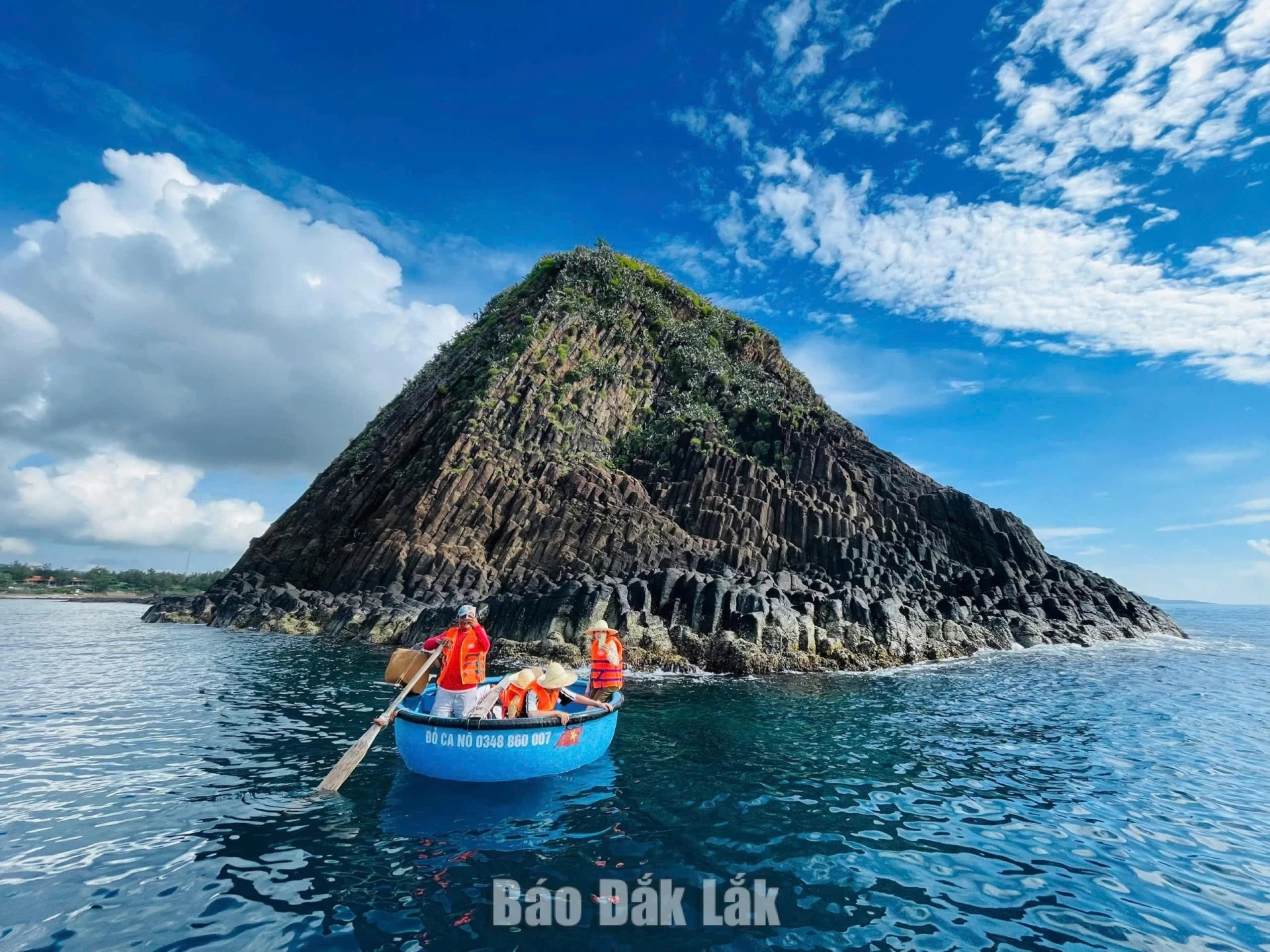 |
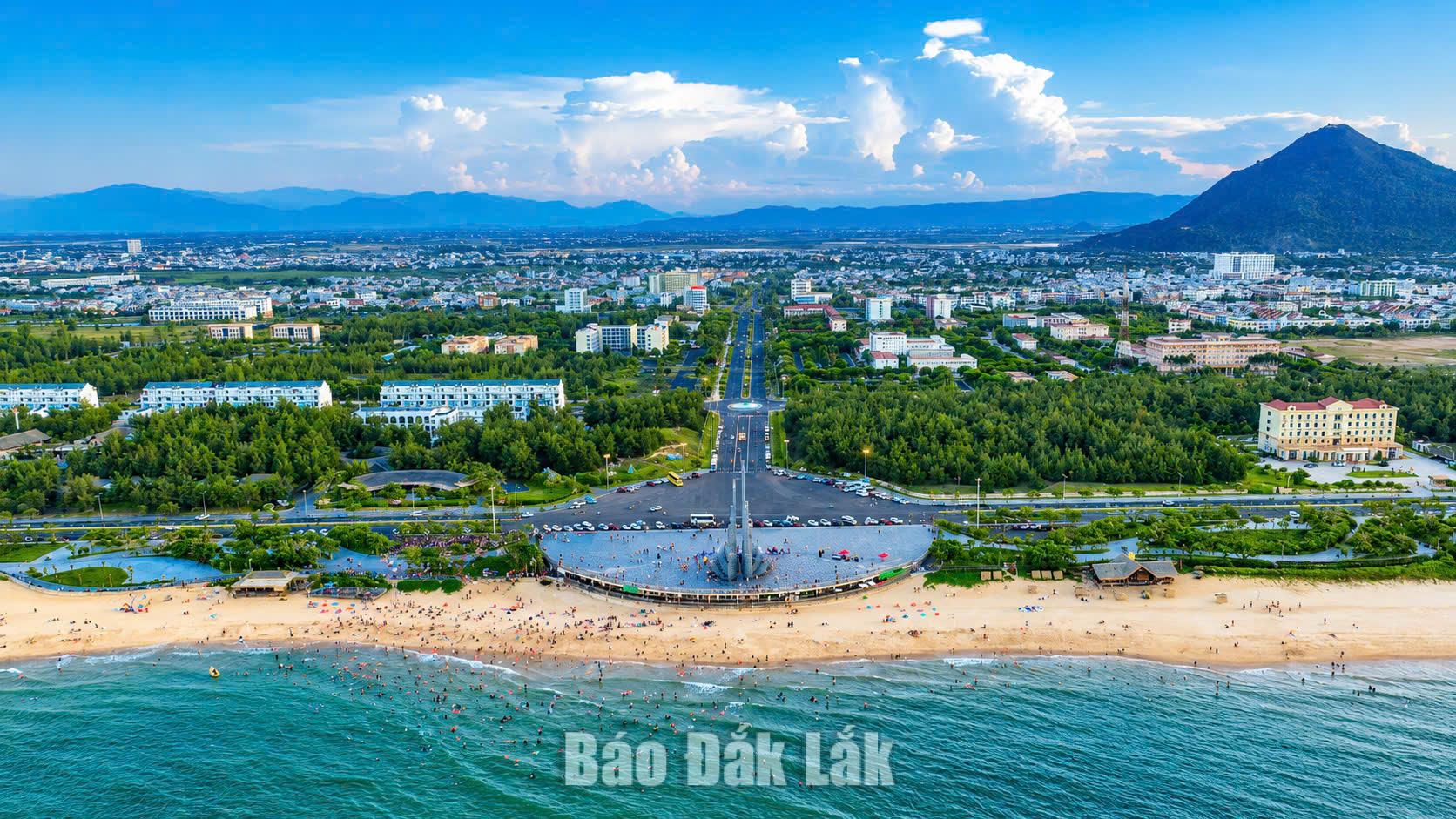
| The provincial abundant resources providing favourable conditions for tourism development. |
Comrade Huynh Lu Tan, member of the Provincial Party Standing Board and Head of the provincial Management Board of Economic Zones along with Industrial Parks, said resources needed to be mobilised to complete infrastructure in the South Phu Yen Economic Zone, ensuring integrated connectivity among seaports, industrial parks, transport networks, electricity and water supply, environmental treatment facilities combined with logistics systems. Public investment must take the lead by focusing on key projects to attract private and social investment. Simultaneously, the province needs to improve the investment environment, streamline administrative procedures, as well as prepare land reserves, infrastructure along with human resources to attract strategic investors.
The fisheries sector also faces limitations in the quality of growth. Aquaculture remains largely unplanned, with technology yet to be modernised. Fishing vessels tend to have small capacities, while preservation equipment and infrastructure at fishing ports alongside anchorage areas remain poorly coordinated. Reorganising floating cages, planning aquaculture zones and controlling fishing activities are therefore necessary steps towards restructuring production in a more systematic manner, meeting standards while aligning production with market demand.
According to the PPC Vice Chairman, comrade Nguyen Thien Van, the long-term development of the marine economy requires resource exploitation within the recovery capacity of ecosystems, while the quality of marine economic sectors must also be improved. This is essential to maintaining stable livelihoods for coastal residents as the growth model is transformed.
Creating new drivers
Alongside removing bottlenecks, Dak Lak’s marine economy needs to develop additional growth drivers with broad spillover effects, particularly in tourism, which offers considerable potential. In 2025, the province welcomed more than 7.33 million visitors and generated over 13,6 trillion VND in revenue. For 2026, it has set a target of welcoming 8 million visitors as well as generating 16 trillion VND in revenue.
Comrade Tran Hong Tien, Director of the Department of Culture, Sports and Tourism, said the provincial strength lies in connecting the sea with forests, urban areas with communities, and natural landscapes with indigenous culture to create distinctive travel experiences rather than developing individual destinations in isolation.
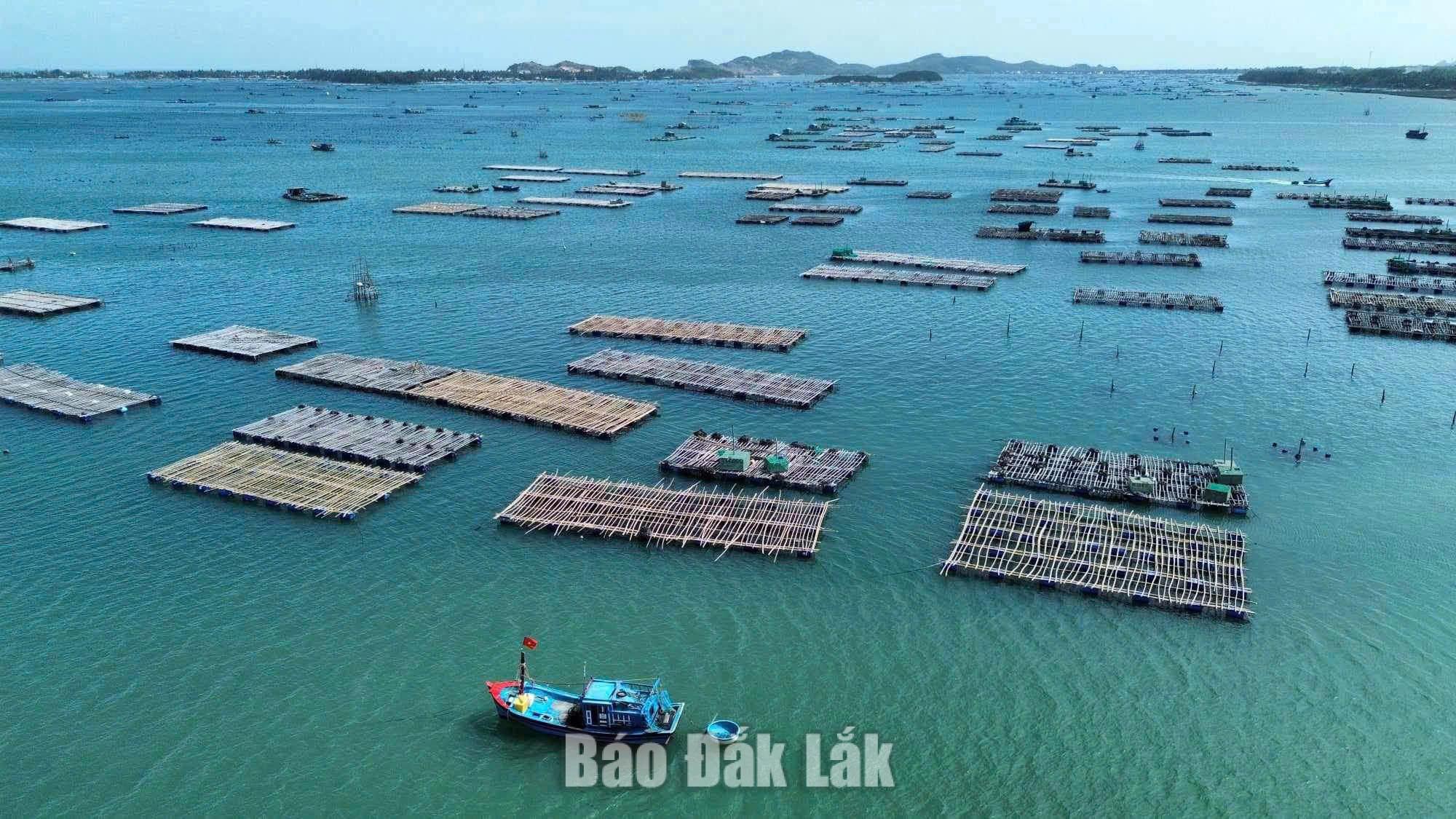 |
| Dak Lak focusing on attracting investment, prioritising marine aquaculture projects using modern technology. |
The provincial marine resources have already yielded products recognised for their value, including ocean tuna and lobster. However, for a product to become a strong brand, the province needs stable raw material zones, standardised production, preservation combined with processing procedures, traceability systems and established markets.
PPC Vice Chairman, comrade Nguyen Thien Van said the province would focus on restructuring aquaculture, from land-based farming and bay aquaculture to offshore farming. This would ensure a more rational allocation of farming areas, helping to stabilise local livelihooods while improving economic efficiency and product quality as well as protecting the environment.
These development directions show that Dak Lak’s marine economy cannot grow through isolated sectors. Tourism needs to be connected with services and culture; fisheries must be linked with processing, logistics together with markets; and seaports must develop alongside industry and supply chains.
Dak Lak is gradually reorganising its development space, investing in infrastructure, restructuring marine economic sectors while applying technology to management and production. The aim is to turn the sea from an existing advantage into a new engine of growth.
Translated by KHUONG THAO