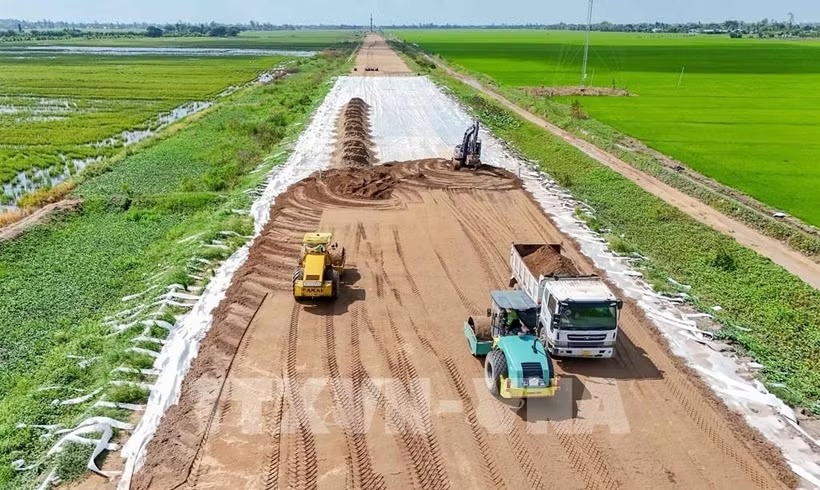
The Department of Agriculture and Environment reports that the production value for the provincial agriculture, forestry, alongside fisheries sector in Q4 2026 is projected to exceed 54 trillion VND.
During the first three quarters of 2026, production across these sectors remained generally sustainable, reaching an estimated value of 41.83 trillion VND, equivalent to 44.3% of the annual target.
Provided that weather conditions along with market prices remain favorable, the sector is expected to reach an over-54-trillion-VND production value in the Q4, representing a 5.7% growth rate. In particular, the cultivation sector continues to account for the largest share, with an estimated value exceeding 47 trillion VND. A crucial contributor is green coffee beans, with a projected output of 600,000 tons, generating a value of approximately 42 trillion VND. The livestock, fisheries, together with forestry sectors are also maintaining positive growth, with projected contributions of 4.361 trillion VND, 1.8 trillion VND, and 246 billion VND, respectively. With the above outcomes, the sector ensures to satisfy the 53.655-trillion-VND target set by the province for 2026.
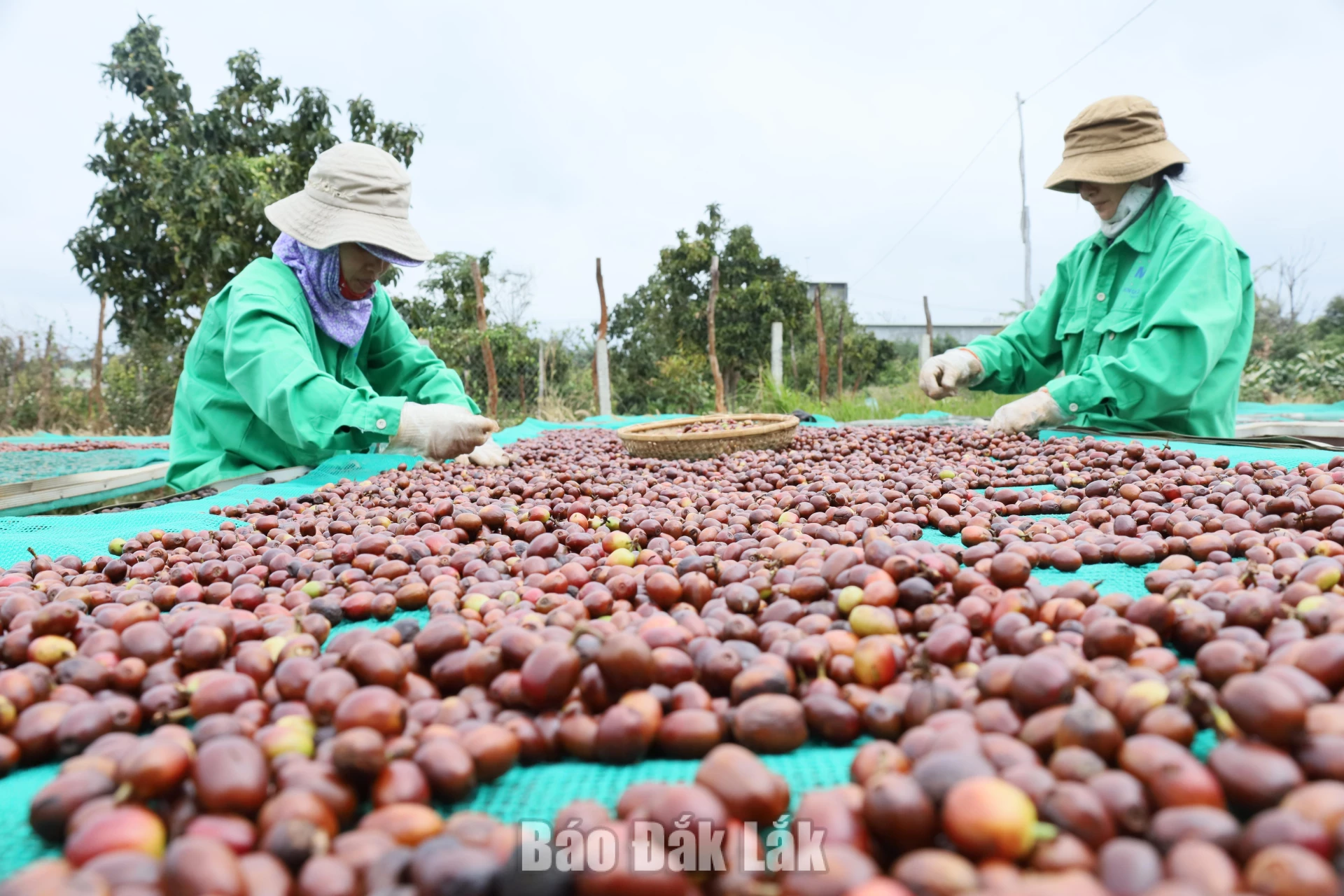 |
| Coffee - the commodity expected to make the most significant contribution to the growth targets for the agriculture and environment sector. |
Alongside efforts to boost production, the Department of Agriculture and Environment is solving obstacles related to land management. As of October 20th, 2026, the department had reviewed as well as counseled on handling 45 projects, with a particular focus on urgently resolving outstanding issues for 39 projects, funded by non-budgetary capital, that are behind schedule. The sector is also closely guiding to commune-level People’s Committees on finalizing land-use plans for areas formerly managed by agricultural and forestry enterprises but subsequently transferred to local administration.
Regarding disaster preparedness coupled with response, meteorological in conjunction with hydrological forecasts indicate that the provincial eastern part may experience around 4 to 7 episodes of heavy rainfall from now to the end of the year. Simultaneously, a prolonged El Niño phenomenon could lead to irrigation water shortages, potentially affecting tens of thousands of hectares of crops. To proactively address these challenges combined with ensure the annual growth targets, the Department has advised the PPC to issue comprehensive disaster prevention plans. These include directives for local authorities to mobilize resources in accordance with the “four on-the-spot” principle, while synchronously deploying water management scenarios.
Translated by TRINH THUY