In the digital transformation process, disparities in living conditions, educational attainment, skills and family responsibilities remain barriers that must be addressed to ensure women’s equal participation in the digital age.
 |
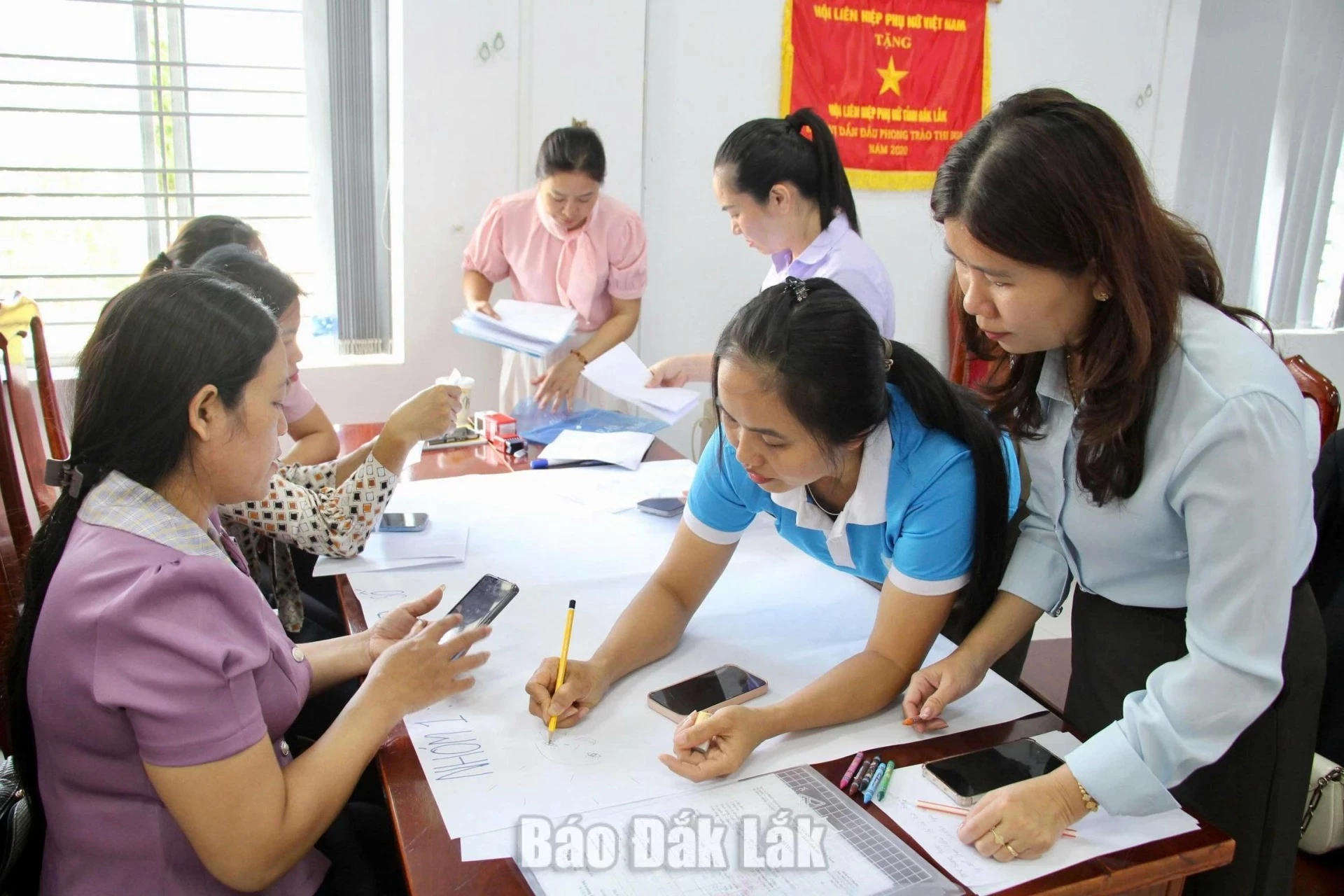
| Women proactively embracing technology, expanding markets and enhancing product value. |
Digital technology offers women opportunities to enhance their knowledge, advance their careers, engage in production and business activities, along with participate in social life. However, disparities persist in access to and benefits derived from technology among different groups of women.
According to Ms. H Dang Hmok, Chairwoman of the Nam Ka Commune Women's Union, the digital divide remains evident, particularly in rural areas and ethnic minority communities. Numerous women face barriers to accessing technology due to a lack of devices, limited digital skills, as well as family and financial pressures alongside gender stereotypes. Moreover, the risk of online harassment, insults, and the unauthorised sharing of private information coupled with images makes many women and girls hesitant to engage in online activities. Therefore, efforts to improve digital skills must go hand in hand with equipping women with knowledge to protect their personal information, identify potential risks and seek support when they become victims of online abuse.
Creating a foundation for women to realise their potential
In Dak Lak Province, the PPC's plan for implementing the National Strategy on Gender Equality for 2026 - 2030 identifies the digital technology application as one of the key solutions to narrowing the gender gap. The province is prioritising support for women in rural, remote and isolated areas to access digital platforms, online public services, distance education combined with telemedicine. Simultaneously, it is also focusing on training women in smartphone use, information security and access to AI.
Digital skills training should be tailored to the practical needs of different groups of women. For those engaged in agriculture, production and business, priority should be given to skills in seeking market information, promoting products while expanding market access. For female workers, the ability to use technology and engage in continuous learning will help them better adapt to labour market requirements.
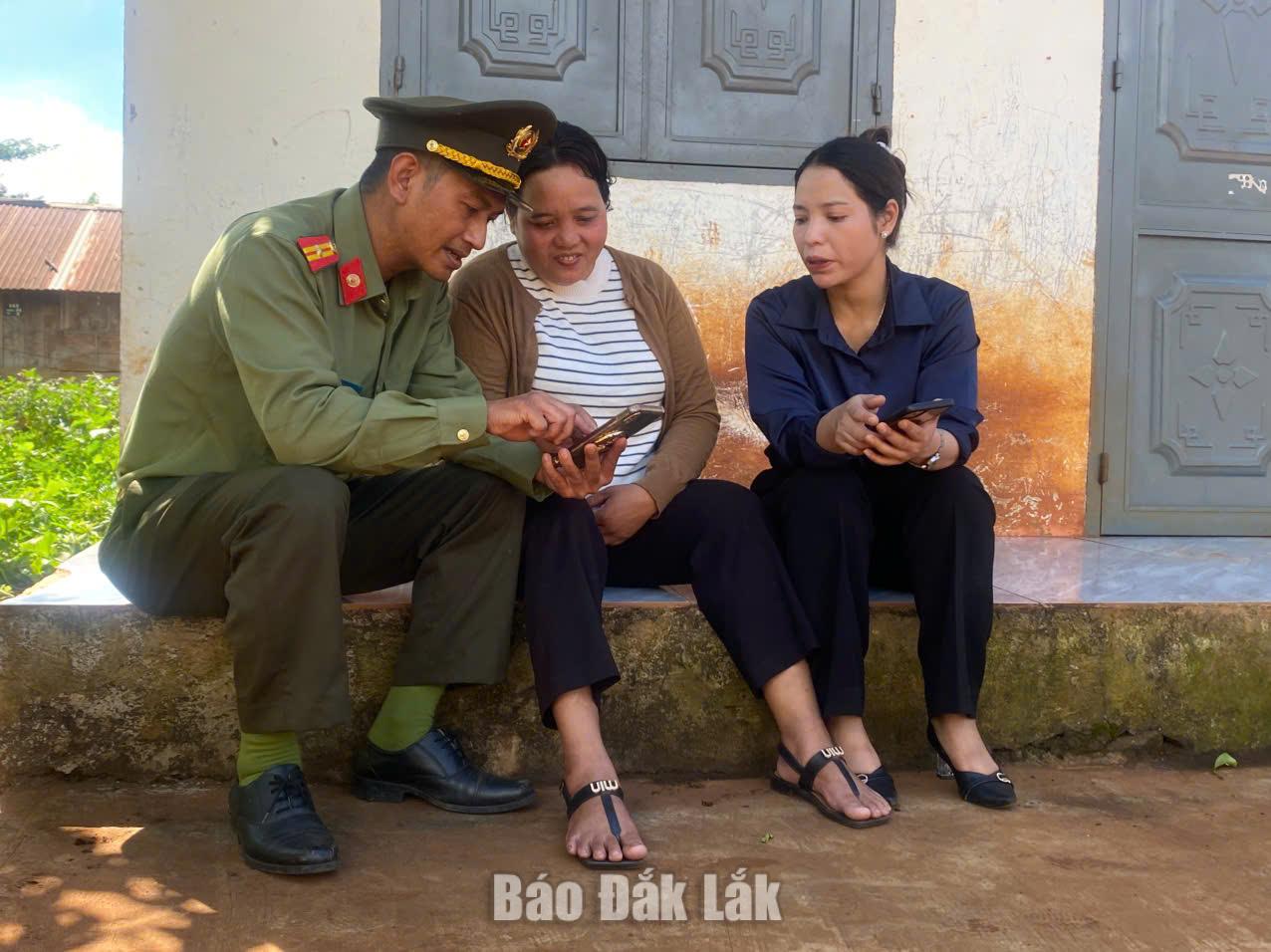
 |
| Women’s union members receiving guidance on accessing and harnessing information in the digital environment. |
The plan sets a target of raising women proportion in paid employment to around 45% by 2030, reducing the share of female workers in the agricultural sector to below 25%, and striving to ensure that women account for at least 30% of directors along with owners of businesses and cooperatives. Another target is to ensure that at least 80% of the population in the prescribed age group have access to basic knowledge of gender equality by 2030. Achieving these goals requires gender equality to be integrated into digital transformation programmes, vocational training, human resource development and labour policies.
Comrade Nguyen Thi Hong Thai, Vice Chairwoman of the provincial Vietnam Fatherland Front Committee and Chairwoman of the provincial Women's Union, said the organisation plays an important role in helping women access technology alongside improve their digital skills. Through communication campaigns, training courses and hands-on guidance, the Women's Union helps its members use online public services and digital applications, as well as identify risks in cyberspace. Support activities are tailored to different target groups, particularly women in remote and isolated areas together with ethnic minority communities. Furthermore, building gender-equal families and encouraging men to share household chores coupled with childcare responsibilities are also important measures to give women more time to pursue education and career development.
Narrowing the gender gap in the digital age requires the concerted efforts of the entire political system and society as a whole. As barriers related to technology, skills together with gender stereotypes are gradually removed, women will have greater opportunities to realise their potential, proactively seize opportunities and contribute to the provincial rapid alongside sustainable development.
Comrade Y Giang Gry Nie Knong, Deputy Secretary of the Provincial Party Committee and President of the Provincial Vietnam Fatherland Front Committee.
Translated by HAI LOAN