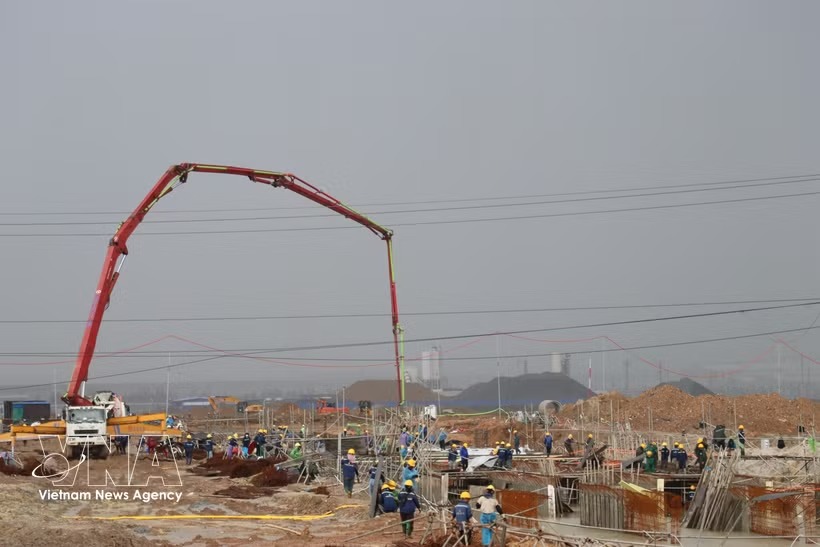
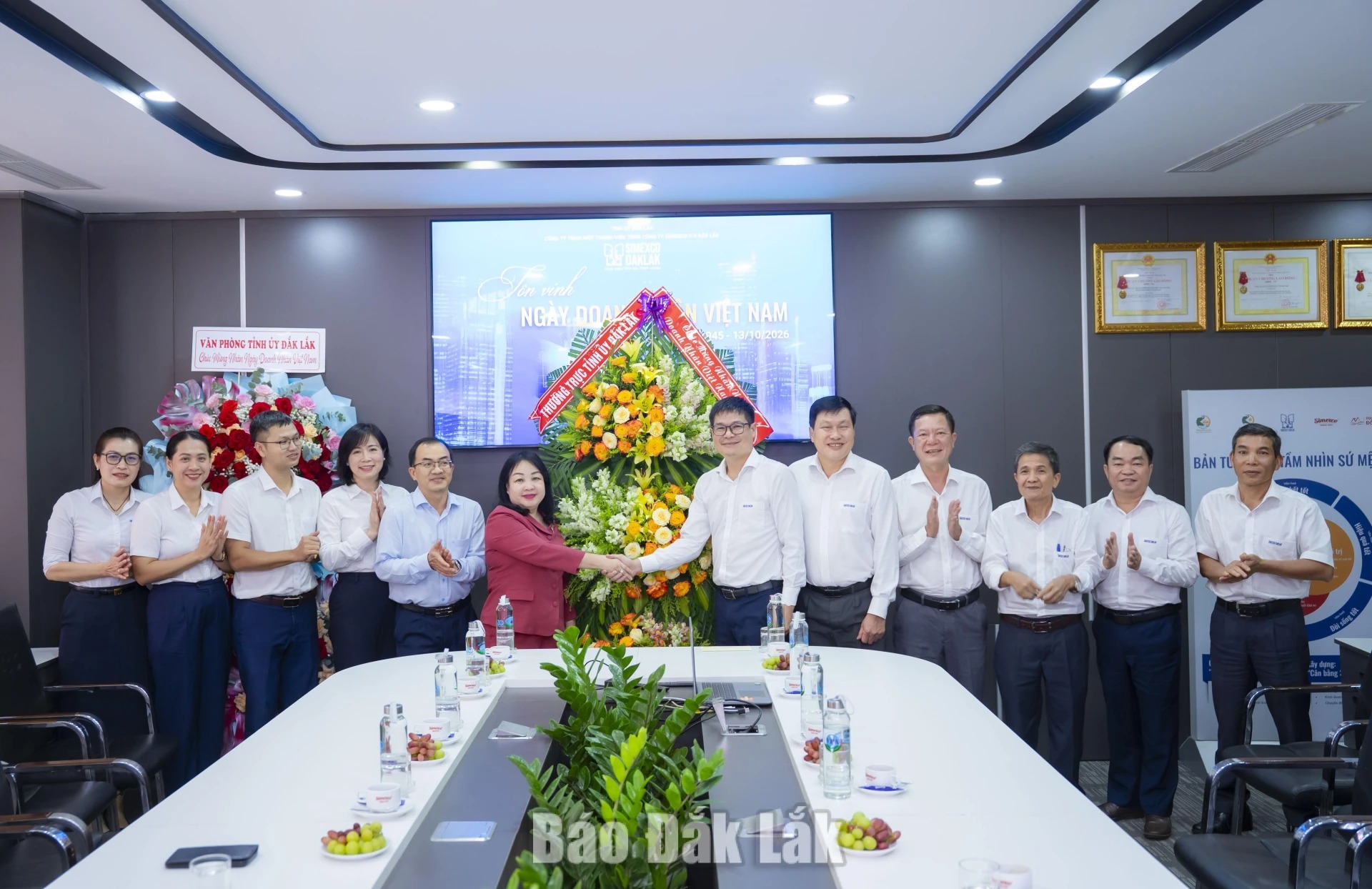
Dak Lak Province has identified seven key groups of tasks and solutions aimed at improving economic productivity, quality, efficiency combined with competitiveness.
These tasks and solutions are set out in the Provincial Party Standing Committee’s Action Programme No. 29-CTr/TU, dated September 16, 2026, to implement the Party Central Committee Resolution No. 19-NQ/TW, dated July 28, 2026 along with the Politburo Action Programme No. 33-CTr/TW, dated July 28, 2026, on renewing Viet Nam’s development model.
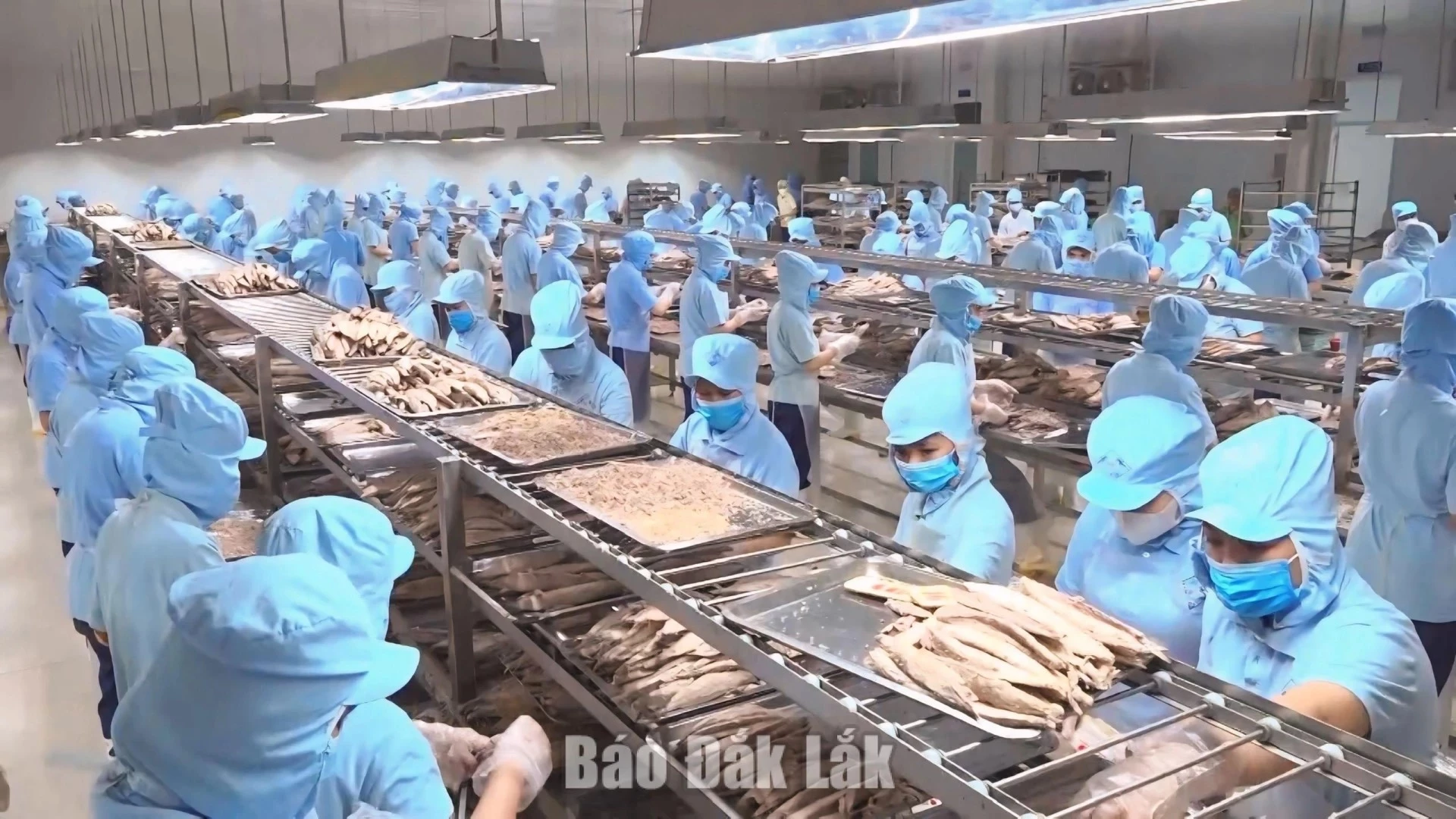 |
| Developing deep-processing industries being among the provincial key tasks identified for the coming period. |
Dak Lak has identified removing bottlenecks in planning, land management and investment as a priority. The province will shift towards an intensive growth model, coupled with high-tech agriculture linked to deep processing, as well as promote the green economy.
Under its development orientation, the province will reorganise economic space into three economic zones and three economic corridors, strengthening connectivity among the highlands, midlands, border areas alongside coastal areas. Alongside developing ecological and circular agriculture, while applying high technology linked to value chains, Dak Lak will focus on developing the private sector, selectively attracting foreign investment, and promoting the digital economy, innovation as well as clean energy.
Local governance will be reformed towards an objectives- and results-based approach, with greater authority decentralisation alongside delegation linked to power oversight, ex-post supervision and the use of data in management coupled with administration.
Alongside economic development, Dak Lak will prioritise investment in synchronous strategic infrastructure, along with improving human resource quality, and reforming education coupled with vocational training to meet practical demand.
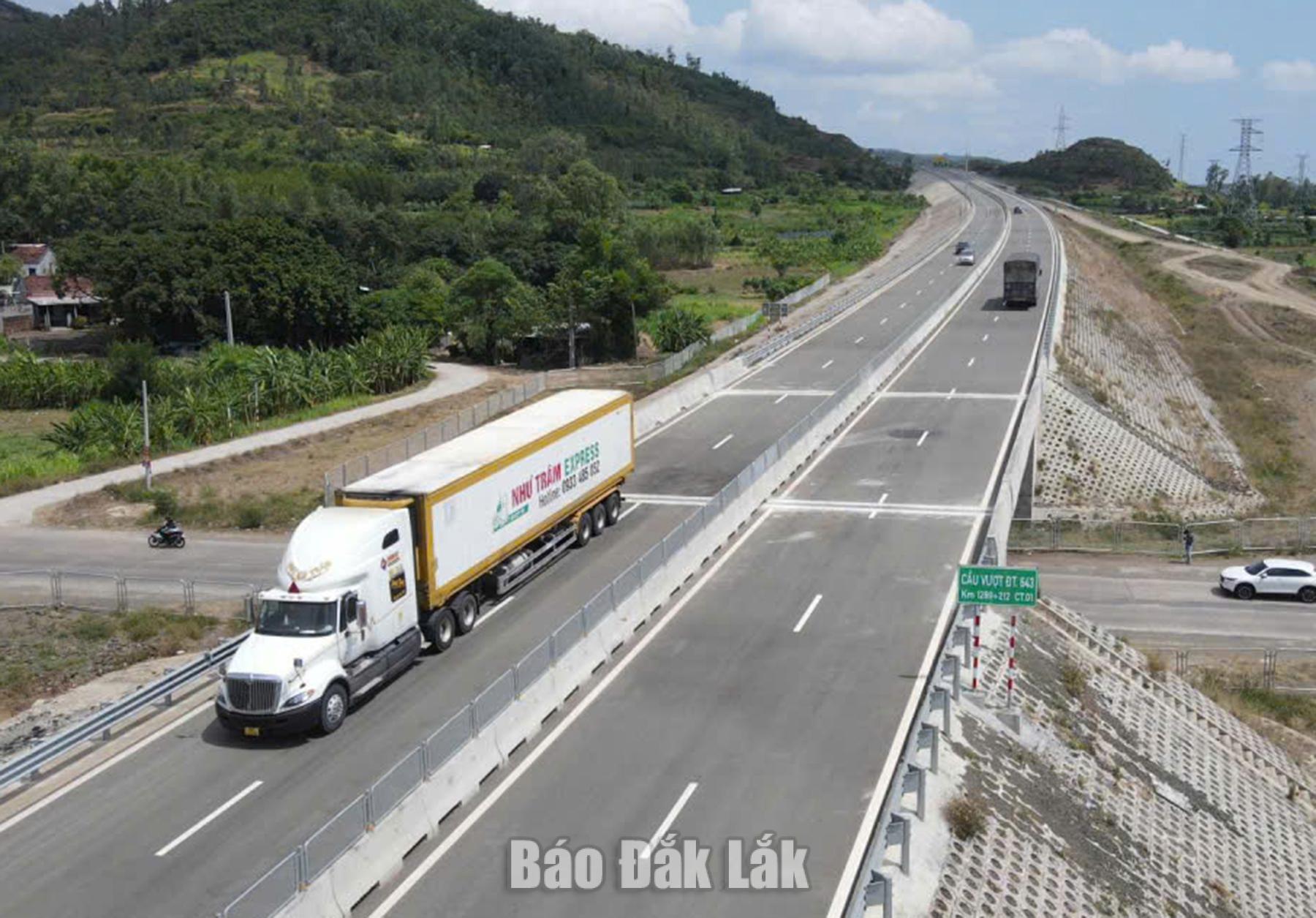 |
| The North - South Expressway, now in operation, strengthening logistics network and supporting local socio-eco development. |
The province will also strengthen social security and pursue sustainable multidimensional poverty reduction, as well as preserve and promote distinctive cultural values in conjunction with tourism alongside cultural industries.
Environmental protection, efficient resource use, the development of the circular and low-carbon economies, combined with proactive climate change responses have also been identified as important priorities.
The province will further integrate socio-eco development with the consolidation of national defence and security. It will step up external relations, with economic diplomacy as the central focus, while capitalising on connectivity between northeastern Cambodia, the Central Highlands along with the East Sea to develop trade, logistics, tourism and international cooperation.
By 2030, Dak Lak aims to have basically established the key foundations of its new development model. By 2035, it aims to have essentially completed the transition to a self-reliant, innovative, humane, sustainable as well as integrated development model.
With a vision to 2050, the province aims to become a fast-growing, sustainable and civilised locality with a strong cultural identity, an important growth pole, a green economy and services centre, together with a regional connectivity hub for the South Central Coast and Central Highlands.
Translated by KHUONG THAO