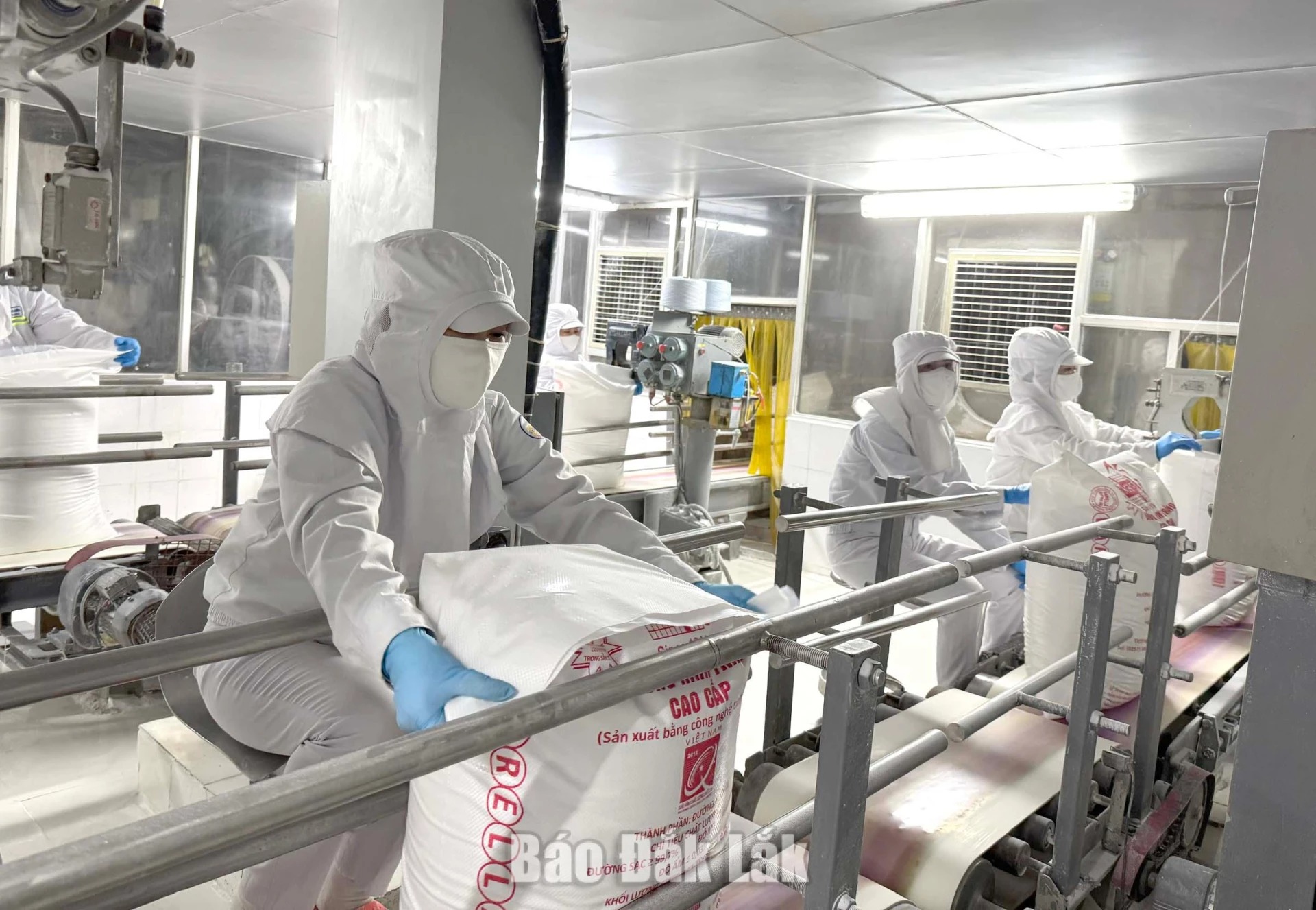
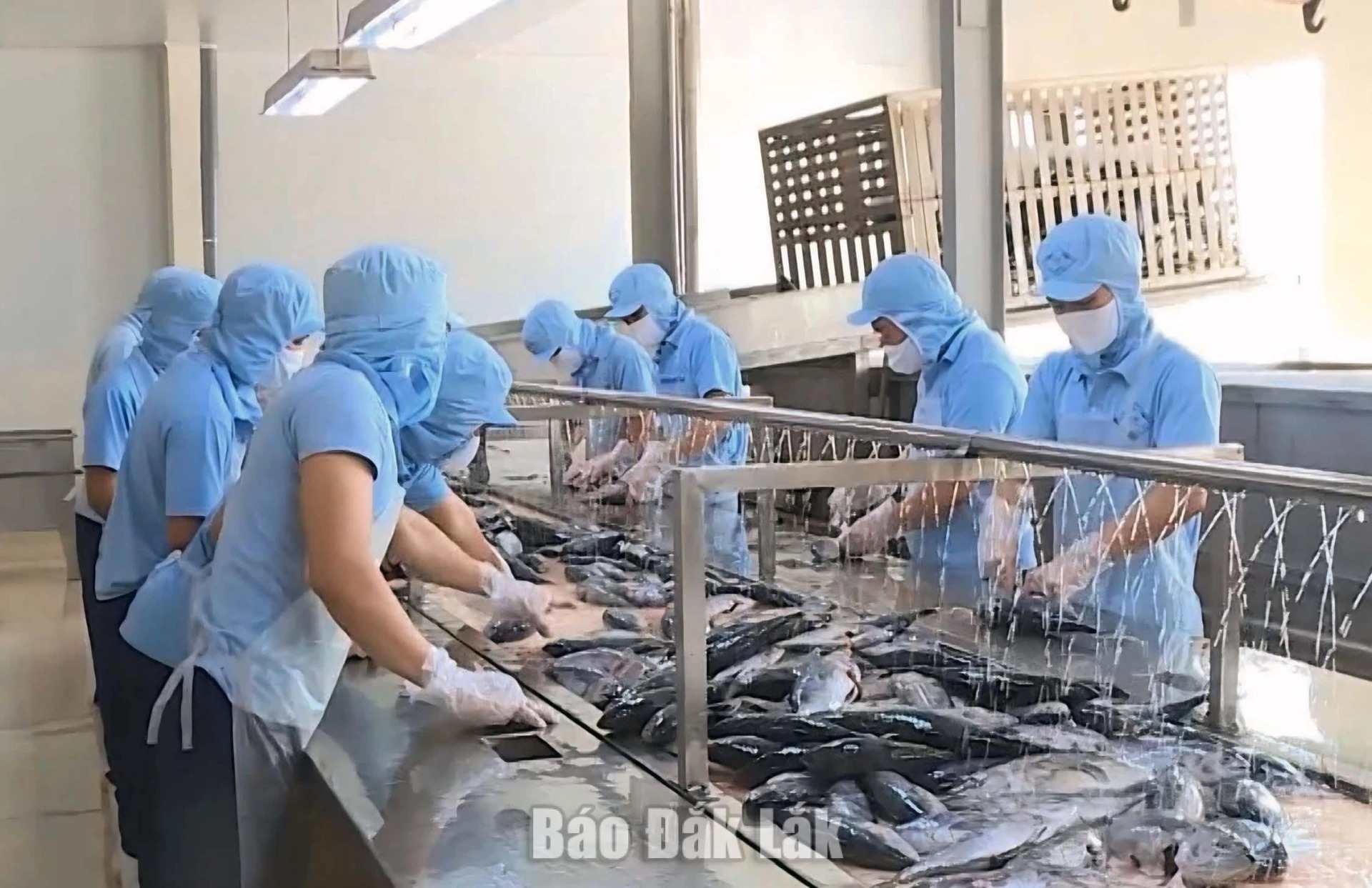
For Dak Lak, with its advantages in land, forests, marine resources and other natural assets, the green transition, effective resource governance as well as climate change adaptation are opening up new development opportunities.
In recent years, notable progress has been made in resource management, environmental protection and climate change response.
Dak Lak has considerable potential in agriculture, forestry, the marine economy, renewable energy and other sectors linked to natural resources, although these sectors are also highly vulnerable to climate change. Statistics for the past decade show that natural disasters, including droughts, floods, inundation alongside whirlwinds, have affected 299,755 ha of crops, causing total property damage exceeding 11,436 billion VND.
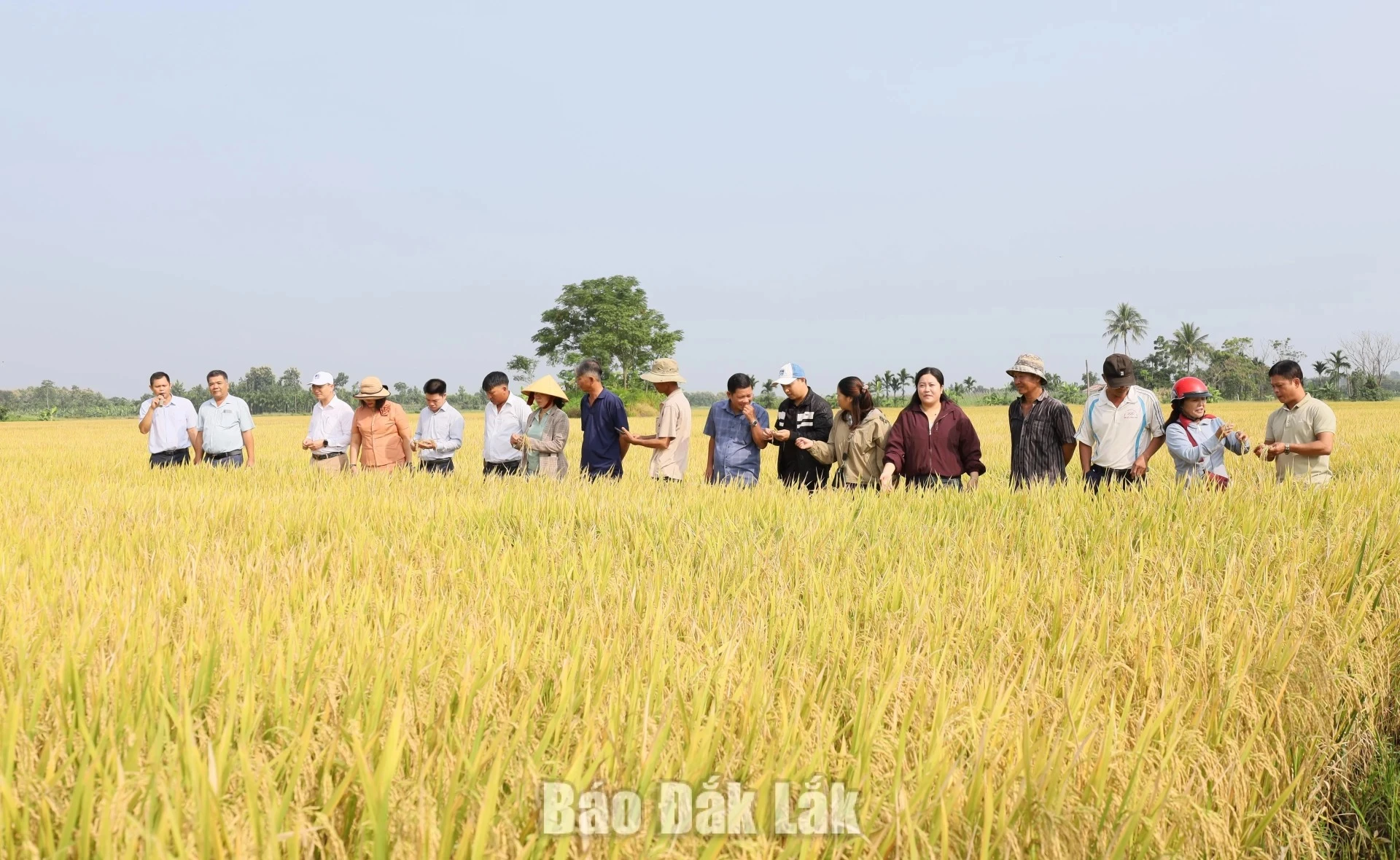 |
| A successful low-emission rice cultivation model in Dak Lak. |
In response to these challenges, Dak Lak has identified “green growth” and “digital transformation” as the two main driving forces in pursuing its commitment to achieving net zero emissions by 2050. Accordingly, the province has proactively deployed modern technologies, establishing while operating 32 automatic monitoring stations to closely track major emission sources province-wide. As part of efforts to build a low-carbon economy, Dak Lak has taken the lead in piloting a carbon credit mechanism through activities to reduce greenhouse gas emissions by curbing deforestation and forest degradation (REDD+). In its initial phase, the programme has helped reduce emissions by more than 2 million tonnes of CO2.
A driving force for green growth
Assessing the effectiveness of climate change adaptation in agriculture, Dr. Dao Thi Lan Hoa of the Western Highlands Agriculture and Forestry Science Institute said that combining water-saving irrigation with fertigation - the application of fertilisers through irrigation systems- for key crops involving coffee coupled with pepper could reduce irrigation water use by 15 - 20% and fertiliser consumption by 30 - 40%. For coffee alone, the model could save up to 1,000 m³ of water per hectare, helping to protect increasingly depleted groundwater resources.
In addition, the “Bring Waste Back to Shore” model, promoted by the Tuy Hoa Ward Farmers’ Association, has brought about a significant change in long-standing practices among local fishermen. Fishermen now proactively sort and collect waste on board their vessels alongside bring it to designated collection points on shore after each fishing trip, thereby helping to reduce marine pollution.
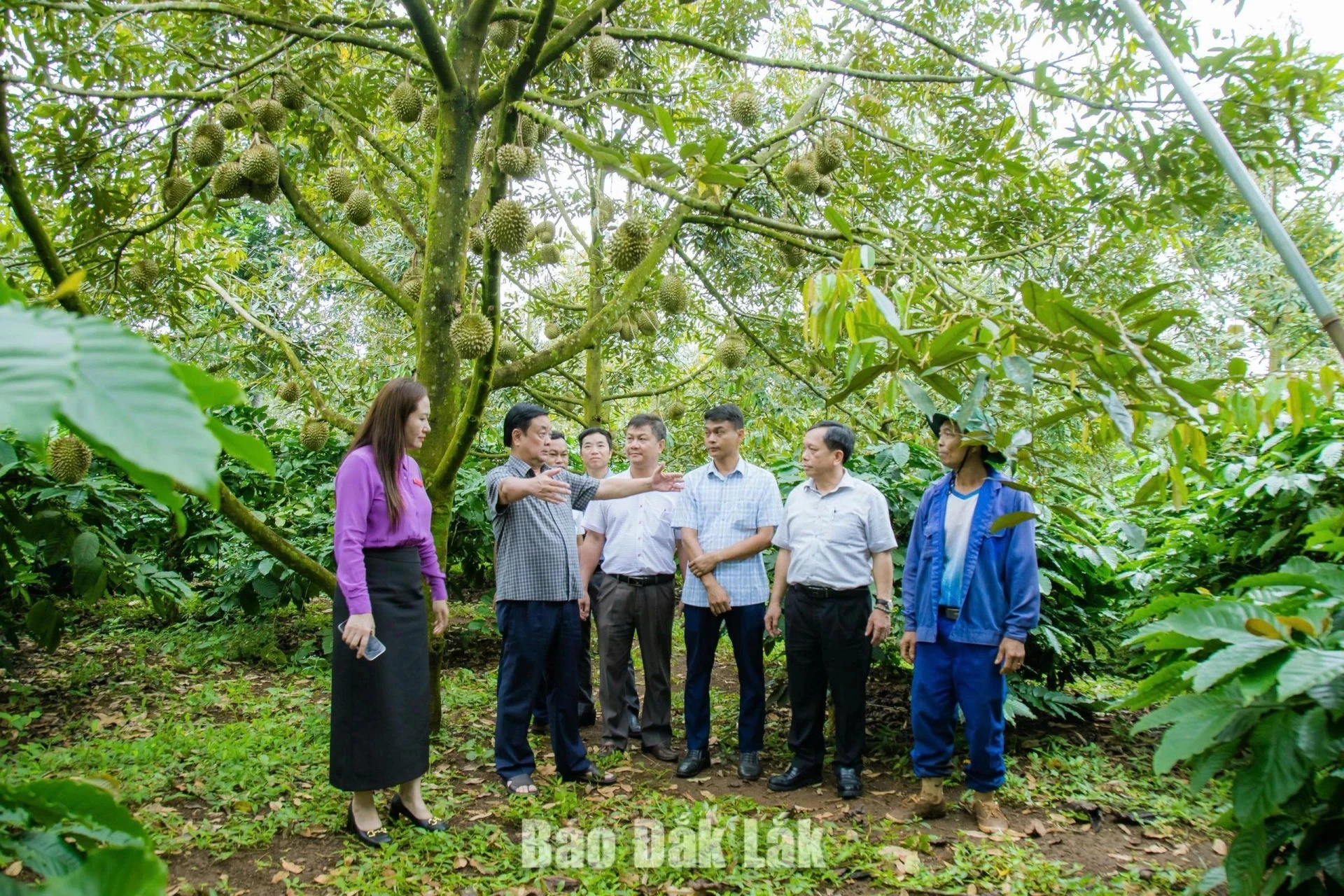 |
| Mr. Le Minh Hoan, former Member of the Party Central Committee and former Vice Chairman of the National Assembly, visiting a durian orchard in Dak Lak where smart farming technologies being applied. |
According to Mr. Nguyen Thai Hoa, Deputy Director of the Department of Agriculture and Environment, to facilitate integration into international markets while meeting stringent green requirements, including the EU’s Carbon Border Adjustment Mechanism (CBAM), the agricultural sector has developed a digital map of agricultural products as well as applied technology to manage the entire land database, alongside traceability systems using QR codes and blockchain. Meanwhile, sustainable farming practices along with AI-powered systems for monitoring pests and diseases are being widely adopted in agricultural production.
Notably, the development of a carbon credit market is opening up prospects for a new economic sector. Dak Lak forecasts that the carbon storage capacity of its forests will reach 77.57 million tonnes by 2030. Revenue from commercialising forest carbon sequestration is expected to provide additional green finance for forest protection and sustainable livelihood development among ethnic minority communities province-wide. In parallel, the province is modernising its waste management system. The automatic environmental monitoring system will be expanded, with data made publicly available so that communities can participate in environmental monitoring alongside enterprises can be held more accountable.
Translated by KHUONG THAO