With more than 189 kilometres of coastline, a rich network of coastal lagoons and bays, combined with an extensive system of inland rivers and freshwater reservoirs, Dak Lak has considerable potential for fisheries development. However, to fully capitalise on these advantages, businesses province-wide need to transform their production methods as well as embrace technological innovation.
In recent years, a number of local seafood enterprises have proactively integrated technology and digital solutions into every stage of the value chain.
One notable example is Dac Loc Seafood Co., Ltd. By adopting PCR alongside Real-time PCR technologies in line with ISO/IEC 17025:2017 standards, alongside recirculating aquaculture systems (RAS), ultrafiltration (UF) and ultraviolet (UV) disinfection, the company has gained tighter control over farming conditions. Its land-based lobster farming process, which uses tanks rather than conventional sea cages, has also been granted an exclusive utility solution patent. Concurrently, the shift towards durable high-density polyethylene (HDPE) cages, equipped with automated feeding systems and Internet of Things (IoT) sensors, is helping reduce losses, optimise costs while minimising environmental impacts on marine ecosystems.
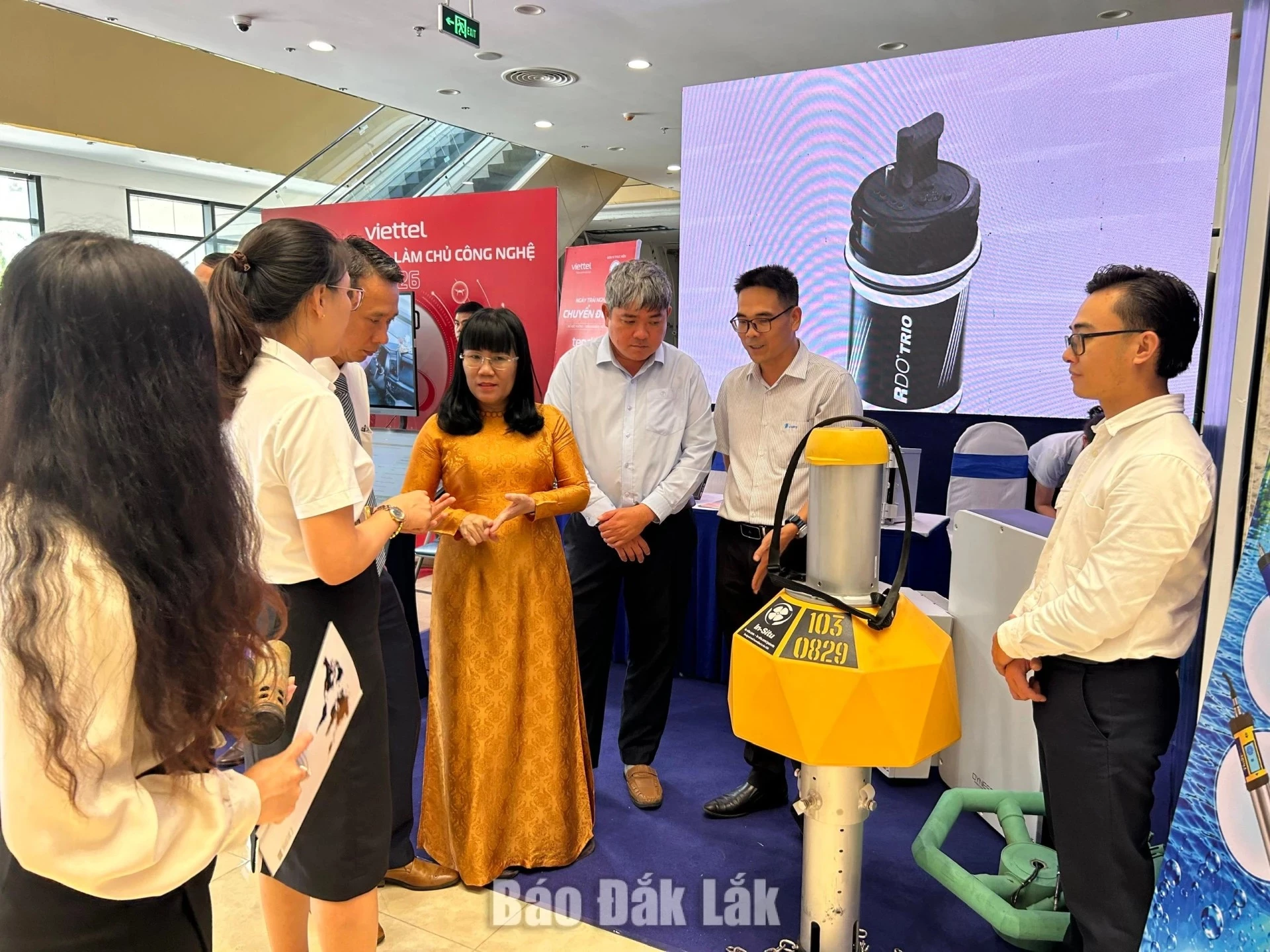 |
| Provincial leaders together with business representatives visiting and learning about technological equipment alongside solutions for measuring and monitoring environmental conditions in support of the fisheries industry. |
Technological advances are not confined to aquaculture. Processing and distribution are also undergoing positive changes. Mr. Le Van Hong, Director of Ba Hai JSC, said the company was researching ways to recycle processing by-products for use in aquaculture feed. It has also installed rooftop solar panels together with water recirculation systems to conserve resources and move towards greener production.
“We have developed a traceability software system linking data for each product batch, from raw material suppliers through to finished goods for export. This not only helps combat illegal, unreported and unregulated (IUU) fishing but also enables us to meet the stringent requirements in markets involving the EU and the United States,” Hong emphasised.
Policy breakthroughs and support tailored to real-world needs
In the first nine months of 2026, total fisheries output across the province reached 67,917 tonnes from capture fisheries, while aquaculture production stood at 30,073 tonnes. Seafood processing output exceeded 6,871 tonnes. To further increase the value of their products, seafood processing and export businesses are stepping up efforts to adopt circular economy models coupled with greener production practices.
Mr. Tran Van Son, Deputy Director of the Dak Lak Department of Science and Technology, said the province was moving decisively towards a new approach to public management: rather than waiting for businesses to apply for support, the province would identify specific challenges, invite enterprises as well as research institutions to propose solutions, then provide government assistance for pilot testing, evaluation and wider implementation.
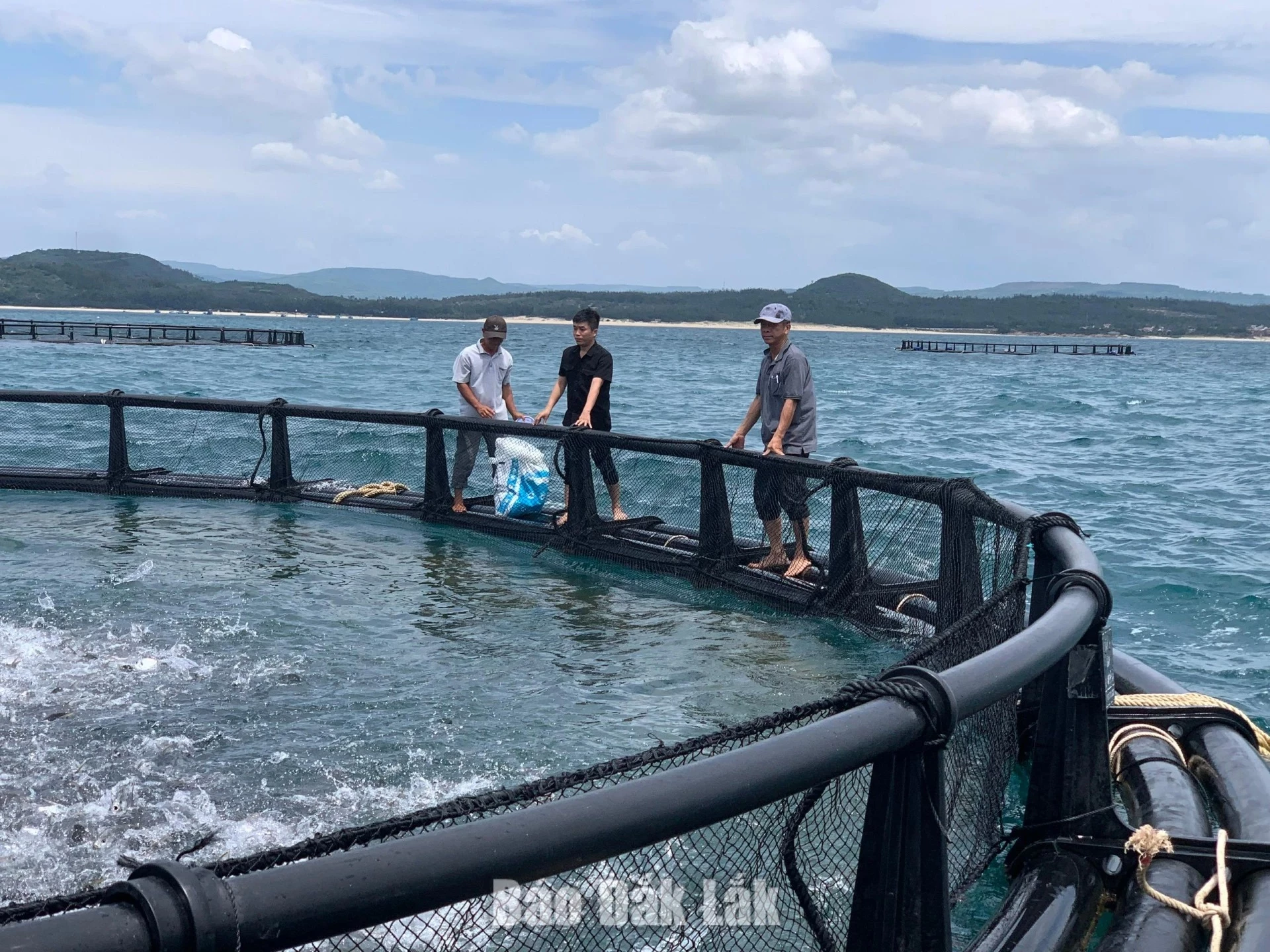 |
| An industrial marine aquaculture model using durable HDPE cages along with modern technologies to improve production efficiency and protect the environment, operated by Ba Hai Joint Stock Company in O Loan Commune. |
In 2026, the province allocated approximately 3% of total budget expenditure to science and technology, innovation combined with digital transformation, equivalent to more than 1.026 trillion VND. The funding is being channelled into key programmes, including support for intellectual property protection, consultancy on the application of ISO standards and Hazard Analysis along with Critical Control Points (HACCP), and the development of regulatory sandboxes to pilot emerging technologies under controlled conditions.
From a research perspective, Dr. Vo Anh Khue of the Mien Trung College of Industry and Trade highlighted the importance of innovation support organisations in connecting technology developers with the market.
“By identifying businesses’ practical needs while translating them into research assignments for scientists, these organisations can help accelerate the application of research findings in production. Combined with the development of the provincial science and technology exchange, this approach will enable research-based products coupled with solutions to reach the market and deliver tangible benefits more quickly,” Khue said.
Close cooperation between the State in its role as a policy enabler, the specialised expertise of research institutes and universities, alongside businesses’ proactive commitment to technological innovation will provide a solid foundation for the sustainable development of Dak Lak’s fisheries industry. This collaborative approach will help make production greener and more transparent while strengthening the provincial position in domestic coupled with international markets.
Translated by THAO LINH