Heritage can serve as a development driver if properly preserved, sustainably utilized, together with positioning the community as the subject. With novel growth opportunities, Dak Lak province is ideally situated to promote its heritage values by creating products, livelihoods, combined with profound experiences for visitors.
Heritage living alongside the community
Dak Lak province boasts a rich heritage landscape, notably featuring two UNESCO-recognized heritages, including the Central Highlands Gong Culture Space coupled with Vietnam Central Bai Choi Art. Beyond the historical site preservation, efforts passing on knowledge, restoring cultural practice spaces, along with bringing heritage closer to younger generation are vital to sustaining the culture vitality.
In Ea Phe commune, classes teaching gong playing alongside ‘xoan’ dancing not merely help young people hone their skills but also provide artisans with the opportunity to pass on their knowledge, stories, community cultural values. Mr. Y Cu Ayun (Puan village) notes that formal training has enabled him together with fellow artisans consolidate their expertise, teach the younger generation, as well as showcase their ethnic cultural values to visitors.
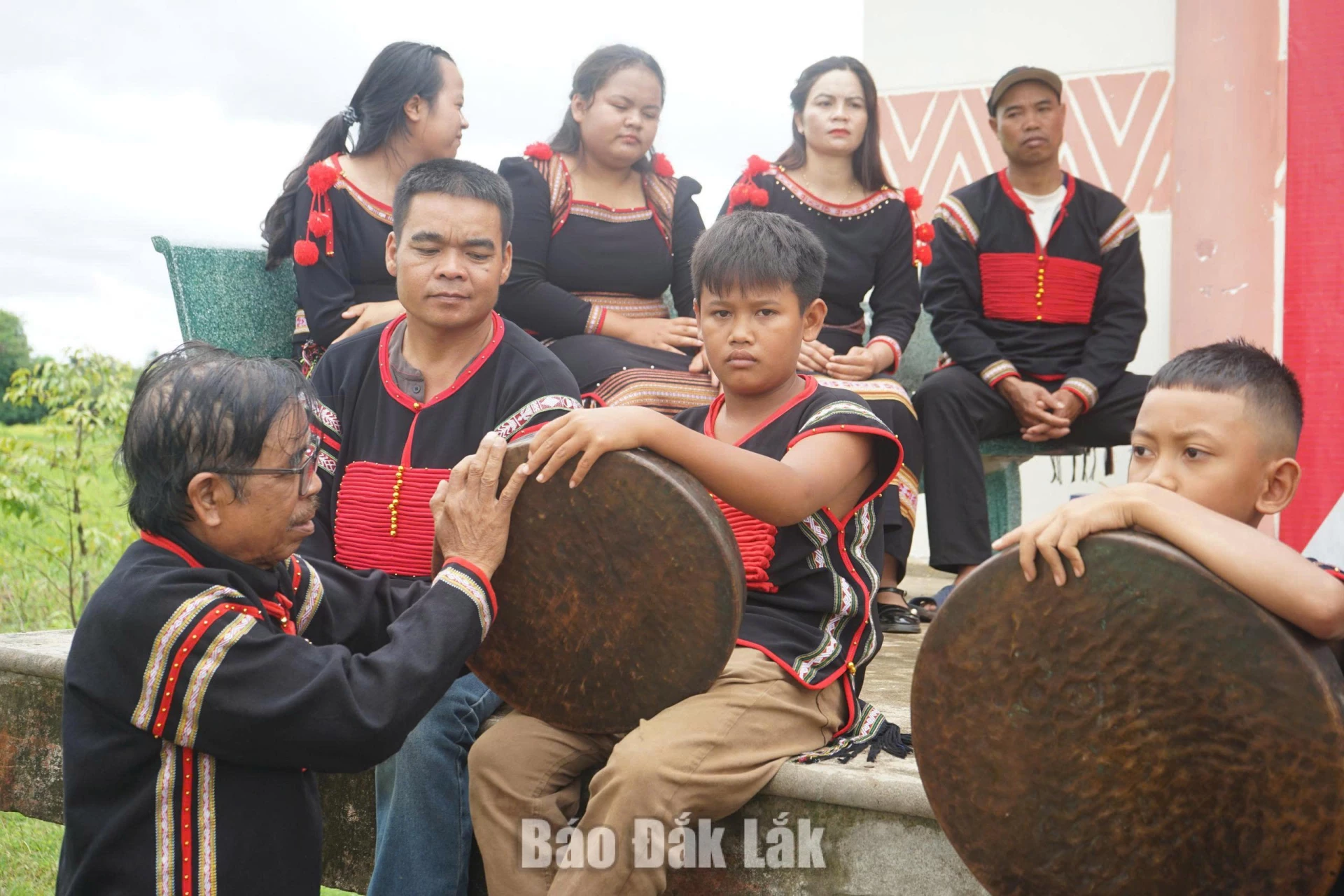 |
| Meritorious Artist Y Phon Ksor teaching gong playing to young people in Ea Phe commune. |
Alongside integrating heritage into daily life to ensure its transmission, numerous community cultural values are being identified coupled with safeguarded against oblivion. In Binh Kien ward, coastal village culture is preserved through beliefs, traditional crafts, in conjunction with sea-related activities, including the worship of the Whale Deity (ca ong), the “Praying for a Good Catch” ritual, net weaving, fish sauce production. Local residents continue to observe these rituals, maintain these crafts, pass them down to future generations; thereby shaping the unique identity of their coastal community.
When local people have the opportunity to showcase their traditional crafts coupled with culture, heritage is not only preserved but also generates livelihoods, encouraging the community to continue safeguarding traditional values.
|
“Local authorities need to work closely with residents to develop plans, organize rituals, maintain traditional customs alongside cultural practices. When local people directly participate and can generate income from heritage-linked cultural together with tourism activities, heritage preservation gains the momentum needed for long-term sustainability.” Dr. Pham Thi Thanh Huong, Head of the Culture Unit, UNESCO Vietnam Office. |
Connecting heritage, enhancing value
According to the Department of Culture, Sports and Tourism, the whole province currently possesses 176 classified heritage sites, comprising 5 special national sites, 39 national sites, combined with 132 provincial sites, spanning historical, architectural-artistic, archaeological, and scenic categories, distributed widely across communes alongside wards. Furthermore, 286 sites have been included in the inventory of historical, cultural, together with scenic sites in accordance with the Law on Cultural Heritage.
Following the merger, the provincial cultural along with heritage landscape has expanded, facilitating connections between the highlands coupled with the coast, opening up opportunities to develop tourism products based on the distinctiveness among local cultures, landscapes, and community life.
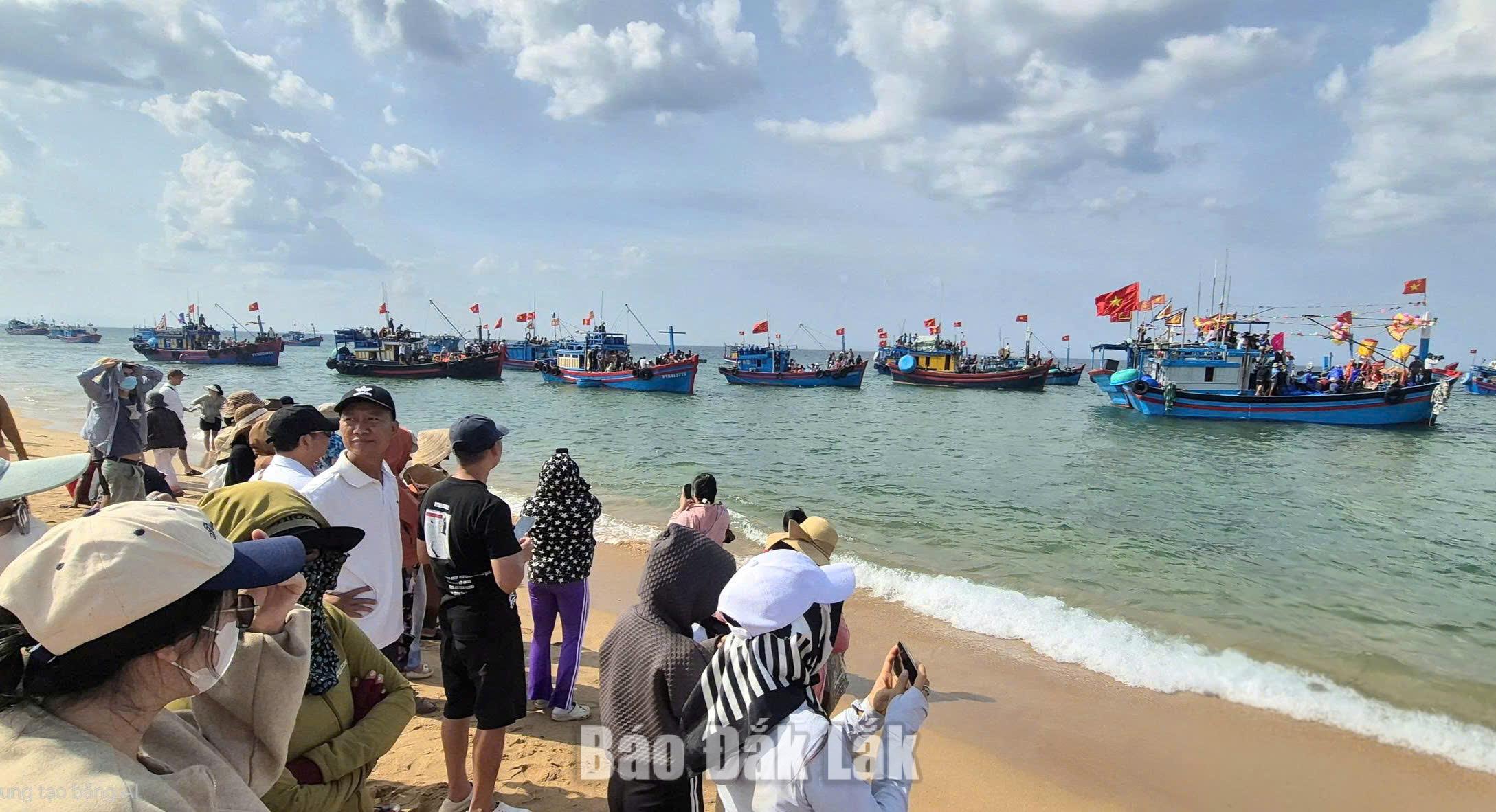 |
| Fishermen and tourists joining the Whale Worship Festival celebrated by the fishing community in Lo village, Hoa Hiep ward. |
In coastal fishing villages, the heritage value lies in their architecture, local customs, traditional crafts in coordination with community life. In Hoa Xuan commune, home to the Vung Ro “No-Number Ship” Wharf (a special national heritage site), visitors can learn about the history of the supply ships that supported the battlefield while experiencing coastal village life, local products, alongside seaside scenery, resulting in a rich, immersive tourism experience.
Mr. Dam Dai Huu, a representative of Dai Huu Tourism Company (Hanoi), believes that Dak Lak provincial strength lies not merely in the quantity of its heritage sites but in the ability to connect these values within a unified cultural space. The company is developing the “Salt Road” itinerary, using historical trade links between coastal and highland regions as a connecting thread to broaden visitor experience to craft villages, local specialties, cuisine, together with community life. These destinations complement one another, offering travelers a deeper understanding to the historical trade along with cultural ties between the regions.
Translated by TRINH THUY