Against the backdrop of integration and growing competition among regions, building a local brand goes beyond tapping economic potential coupled with natural advantages; it also involves awakening and promoting cultural identity.
Mentioning Dak Lak is synonymous with the Cultural Space of Gong in the Central Highlands - a Representative Intangible Cultural Heritage of Humanity as well as a rich system of long-standing festivals, customs and traditions among indigenous ethnic groups involving the Ede, M’nong along with J’rai. Moreover, the province also boasts a rich historical heritage, traditional longhouse architecture, cuisine imbued with the flavours of the mountains and forests along with, notably, its status as the “Coffee capital”, where coffee culture has reached an increasingly international stature.
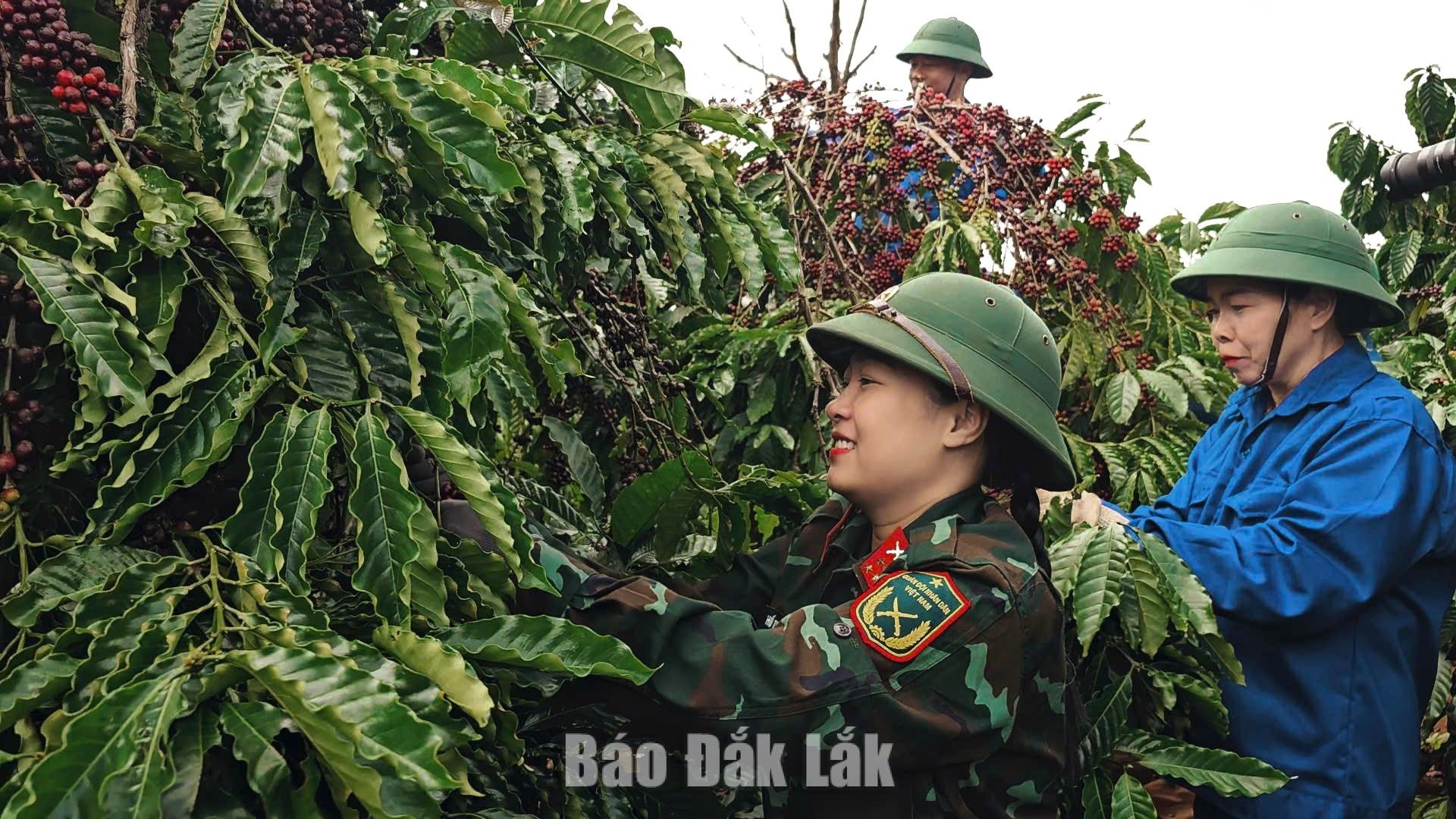
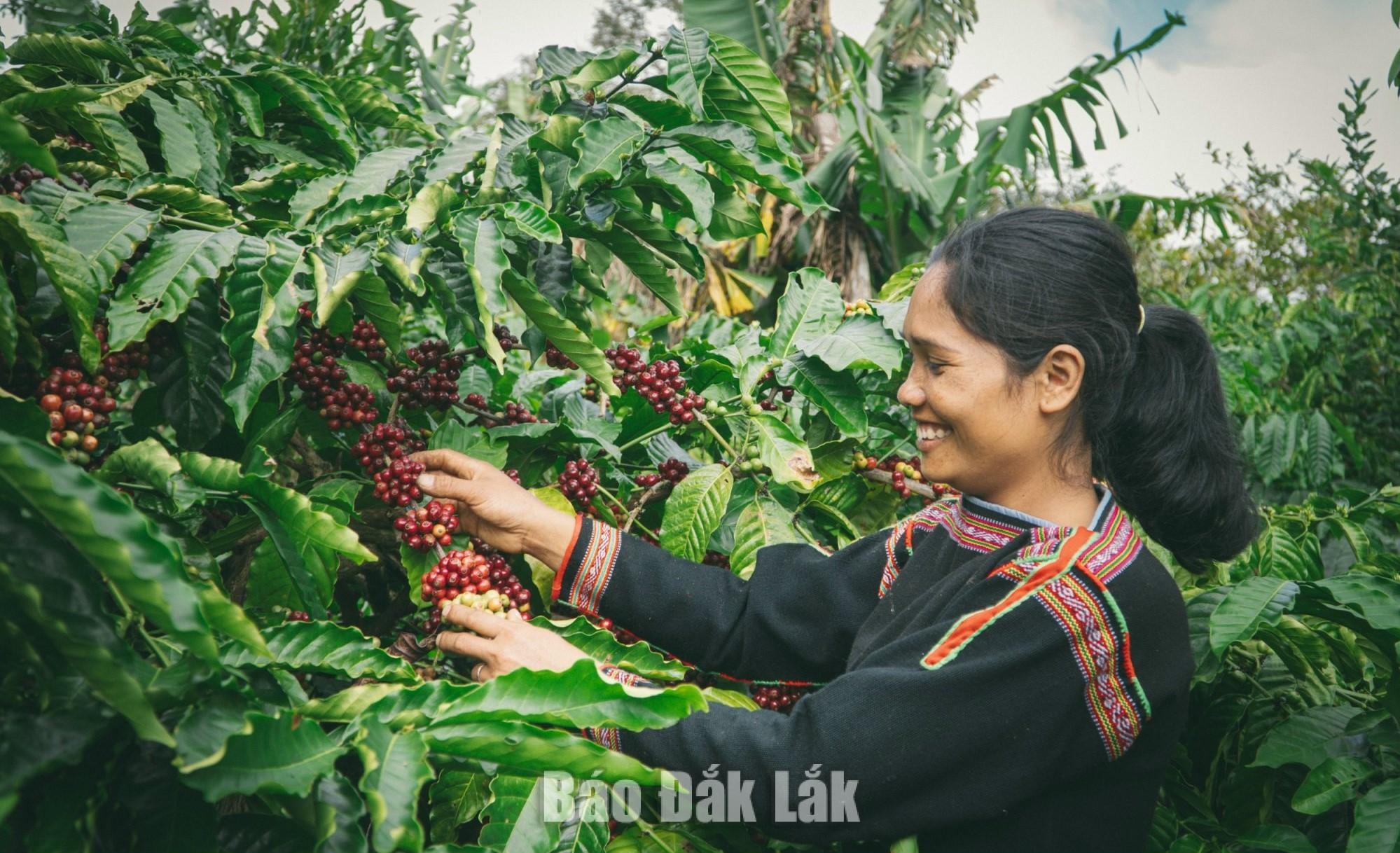 |
| Coffee being one of Dak Lak’s key agricultural products, helping build the provincial brand. |
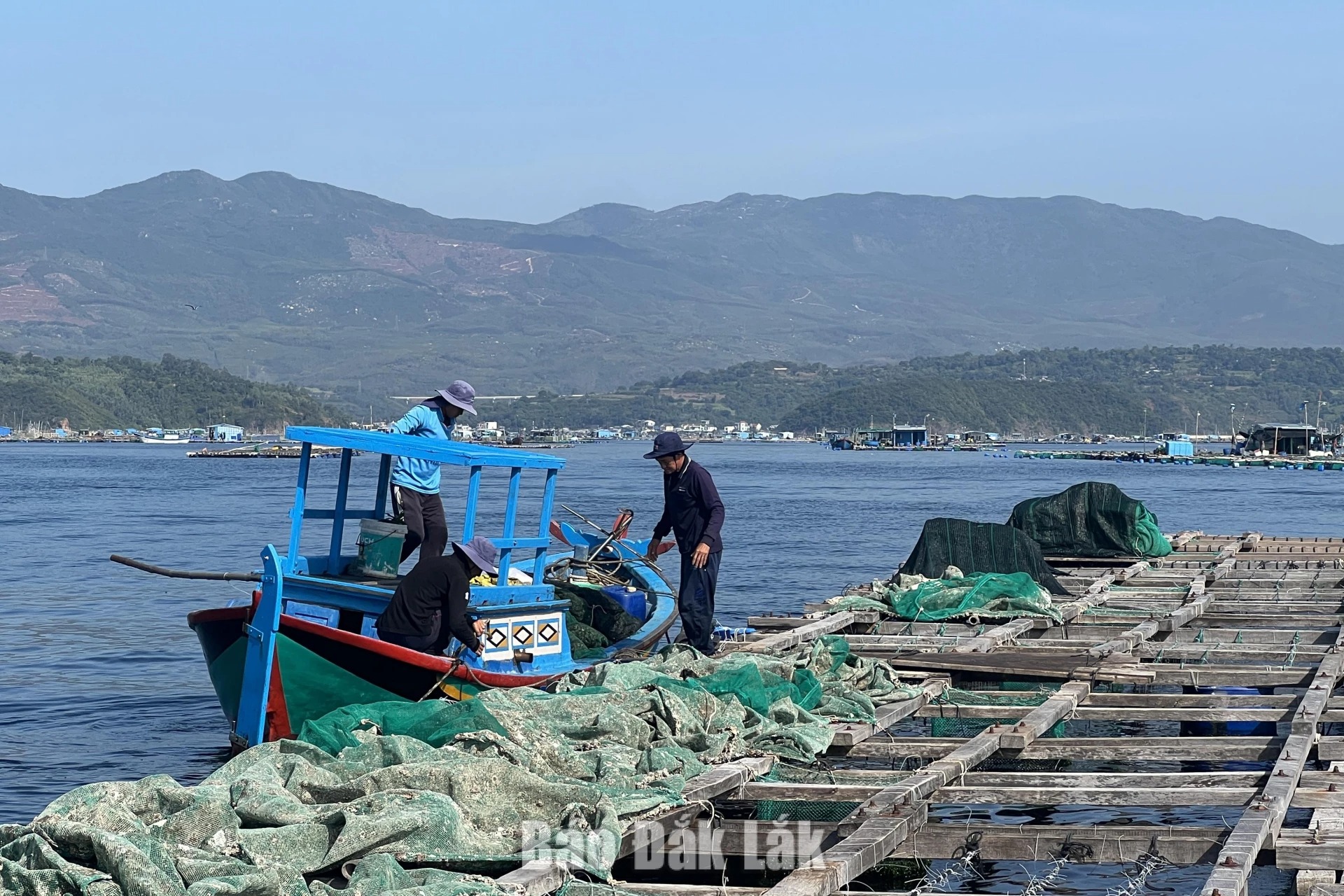
In particular, the geographical space expansion through integration with the Eastern region has further enriched Dak Lak with distinctive marine and island cultural values. The convergence of the majestic Central Highlands gong culture alongside epic traditions with ancient Cham Pa culture, Bai Choi singing, and festivals associated with the sea, islands as well as the lives of coastal fishing communities, has opened up a new cultural dimension.
Dak Lak has recently pursued a range of policies aimed at preserving and promoting cultural identity in tandem with tourism development. Notably, the Buon Ma Thuot Coffee Festival has been elevated into an event of national combined with international stature, while festivals associated with the sea, islands and coastal fishing communities have also been organised. Simultaneously, the province has promoted community-based tourism in villages together with hamlets and digitised cultural heritage, bringing it closer to domestic coupled with international visitors.
However, building brands through culture still faces numerous challenges, including the risk of traditional cultural values fading under pressure from modernisation, incomplete tourism infrastructure and a shortage of highly skilled human resources.
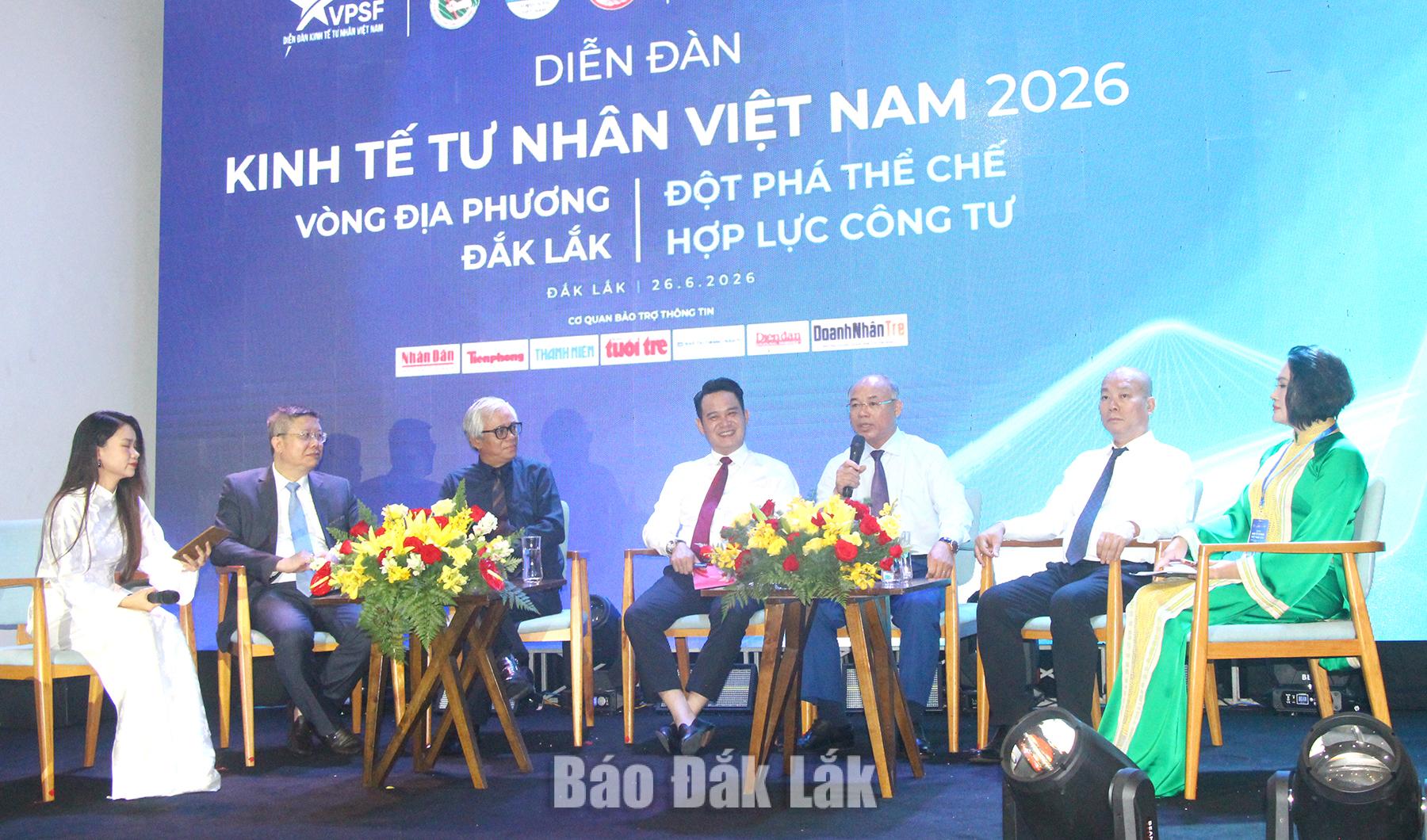
Mr. Dang Hong Anh, Chairman of the Vietnam Young Entrepreneurs Association, said Dak Lak should combine its existing strengths in agricultural products, cultural identity along with expanded development space with modern management thinking. Building a sustainable brand, he noted, must go hand in hand with technology adoption, data transparency, standardised procedures for official exports and experiential tourism. Concurrently, it also requires coordination among the State, businesses, banks, research institutes alongside associations to increase the value retained locally and by residents.
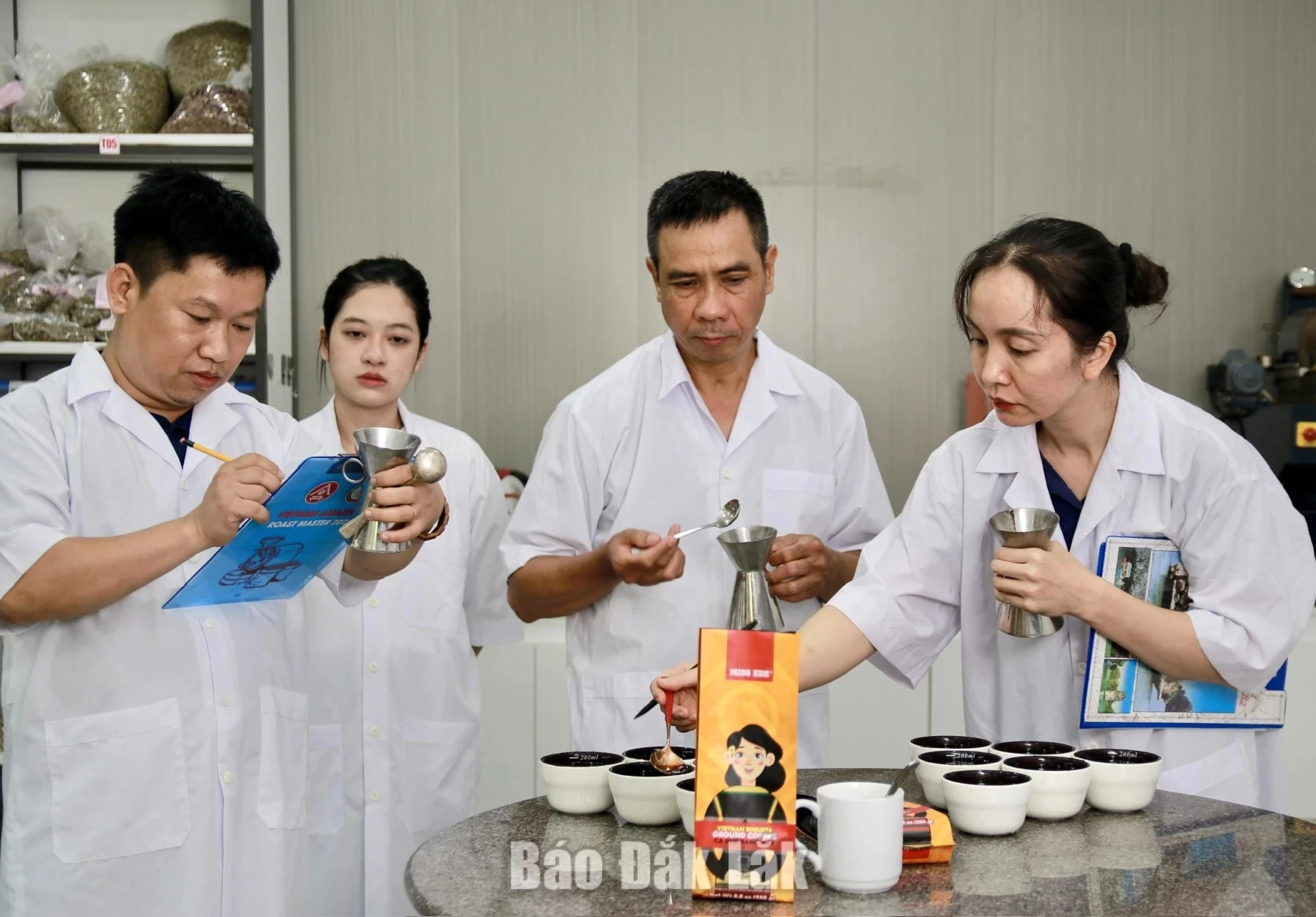 |
| Numerous Dak Lak businesses successfully building their brands around coffee products. |
Mr. Vu Ba Phu, Director General of the Trade Promotion Agency under the Ministry of Industry and Trade, proposed that Dak Lak’s private-sector business community invest more boldly in branding as well as innovation so that each product can carry a distinctive story rooted in the Central Highlands.
In 2026, the Viet Nam National Brand Programme is conducting its 10th selection cycle, opening up an opportunity for Dak Lak to take signature products such as Buon Ma Thuot geographical-indication coffee, along with other agricultural products, to international markets.
Building brands through culture is a long-term path, but one capable of delivering sustainable value. With concerted efforts from the political system, local residents and the business community, Dak Lak is gradually affirming its position as a destination rich in identity, civilised as well as integrated into the wider world.
Translated by HAI LOAN