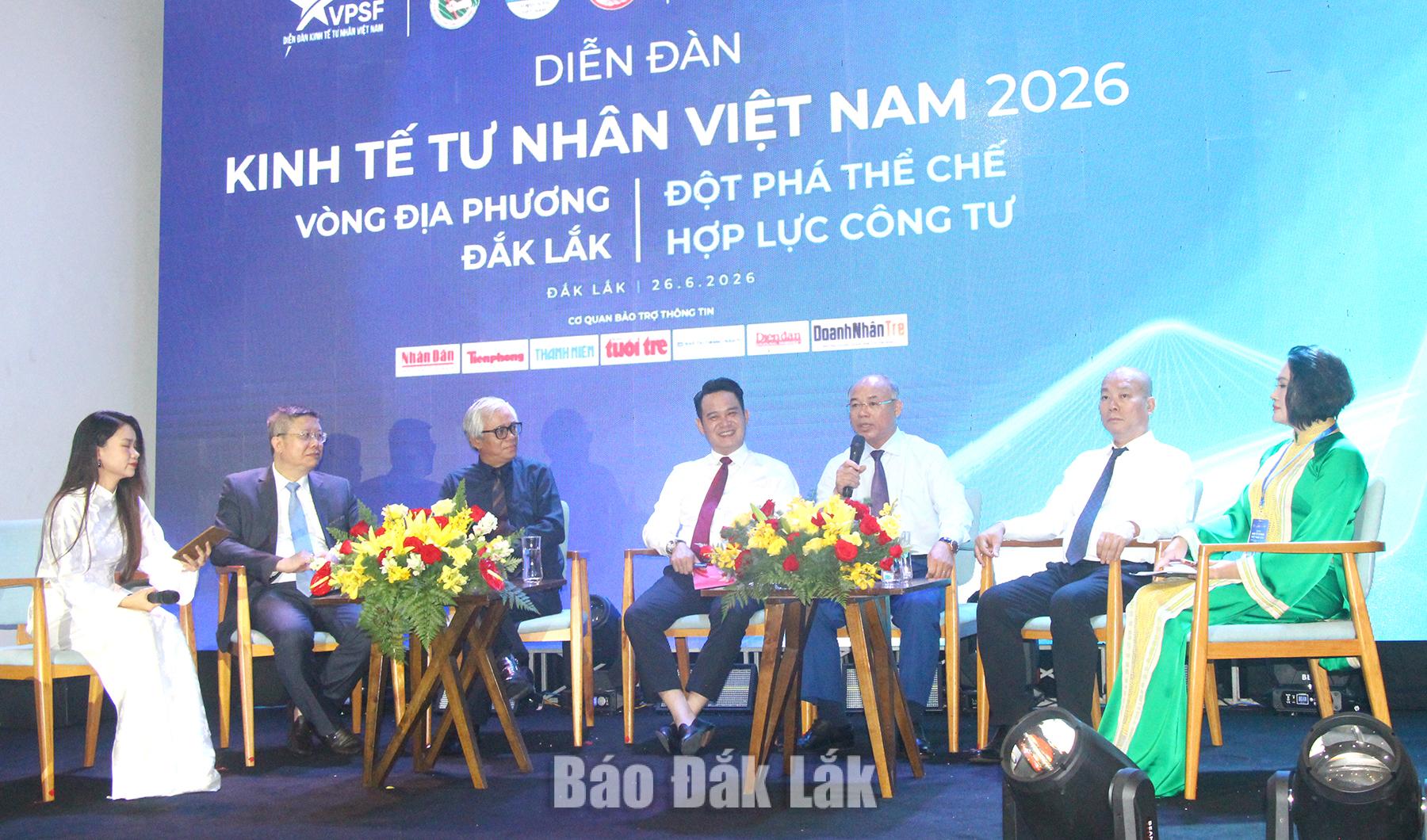
With extensive raw material areas, diverse key agricultural products and expanded development space, Dak Lak is poised to transform from an agricultural production hub to a high-tech centre.
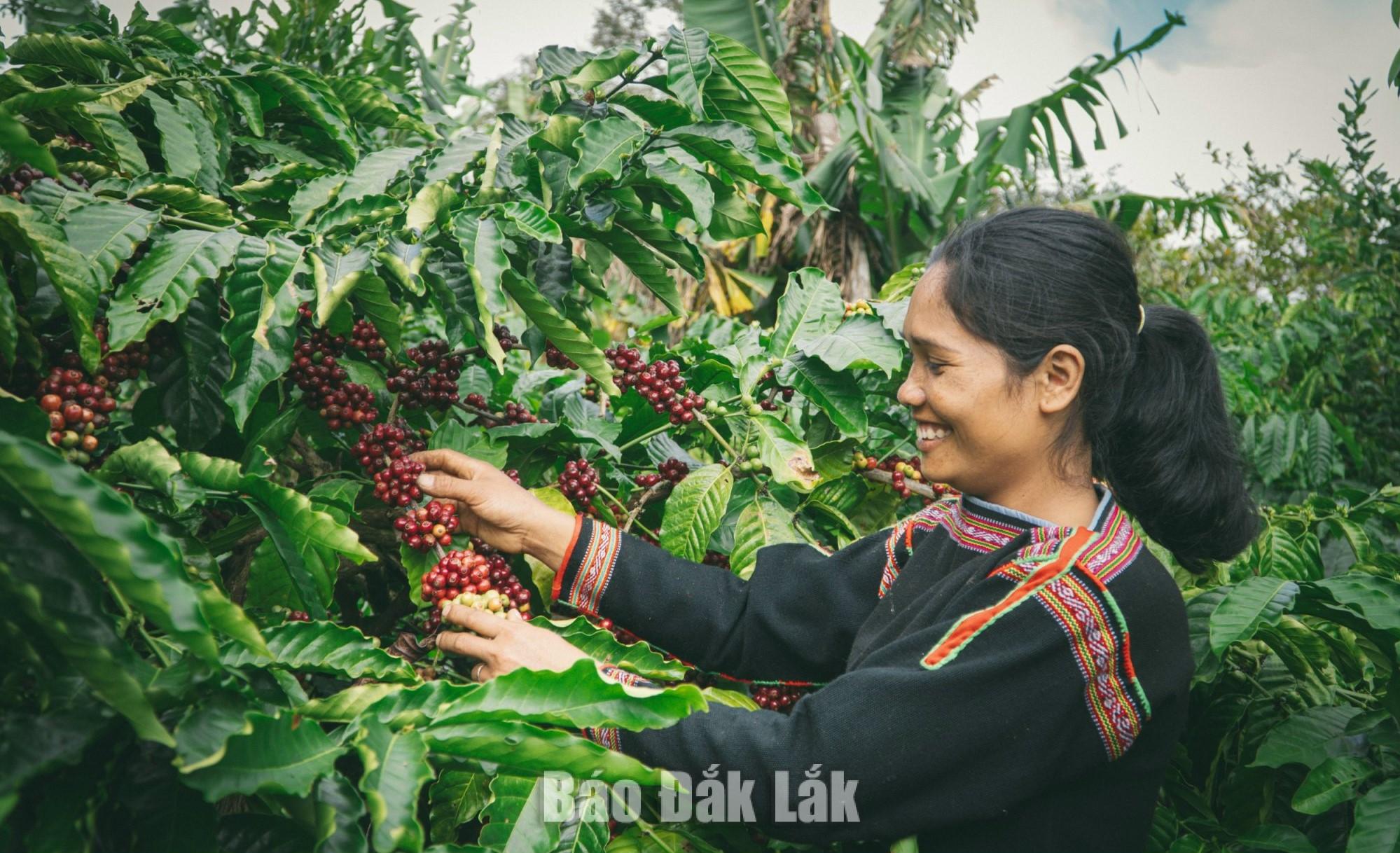
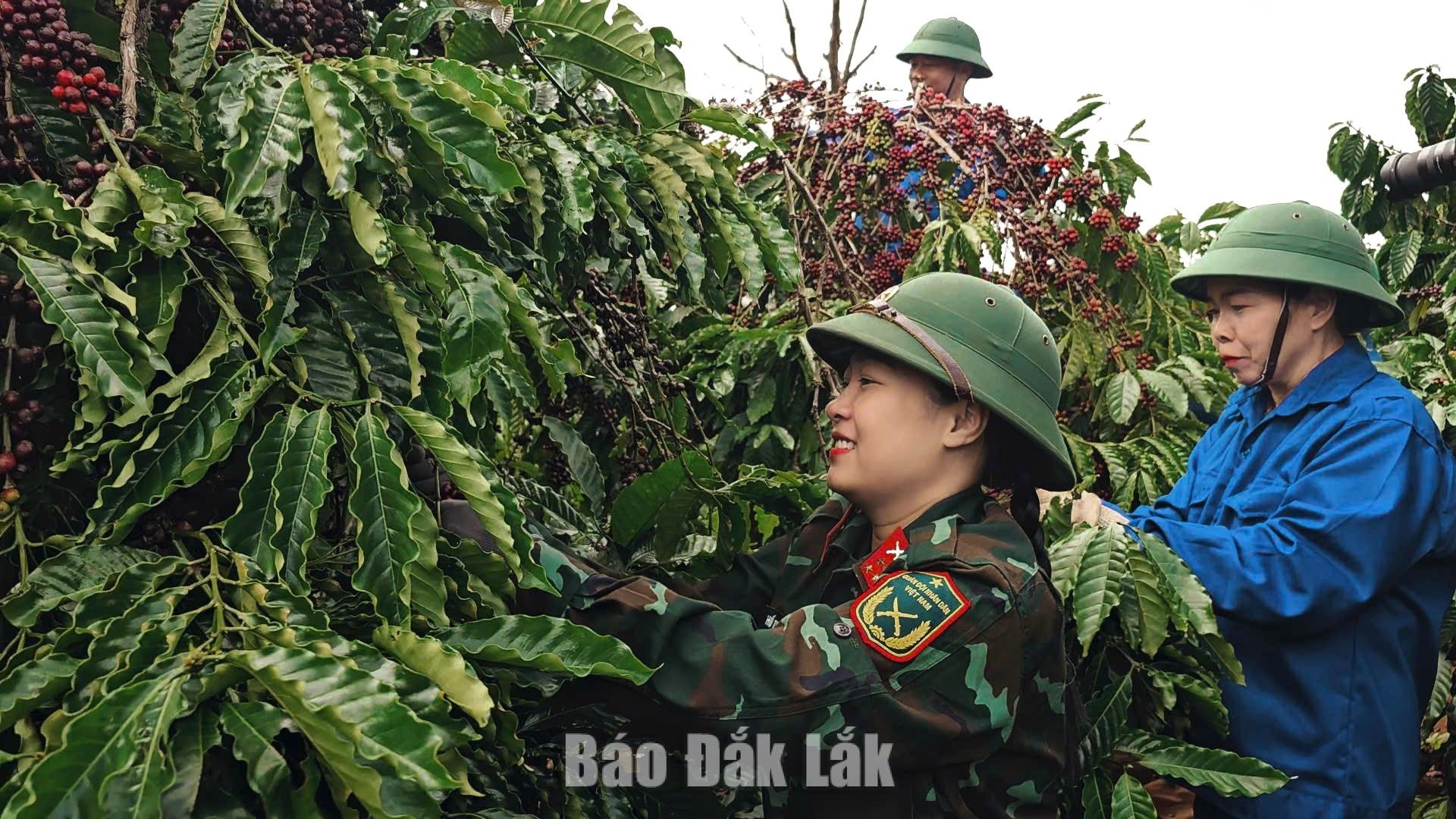
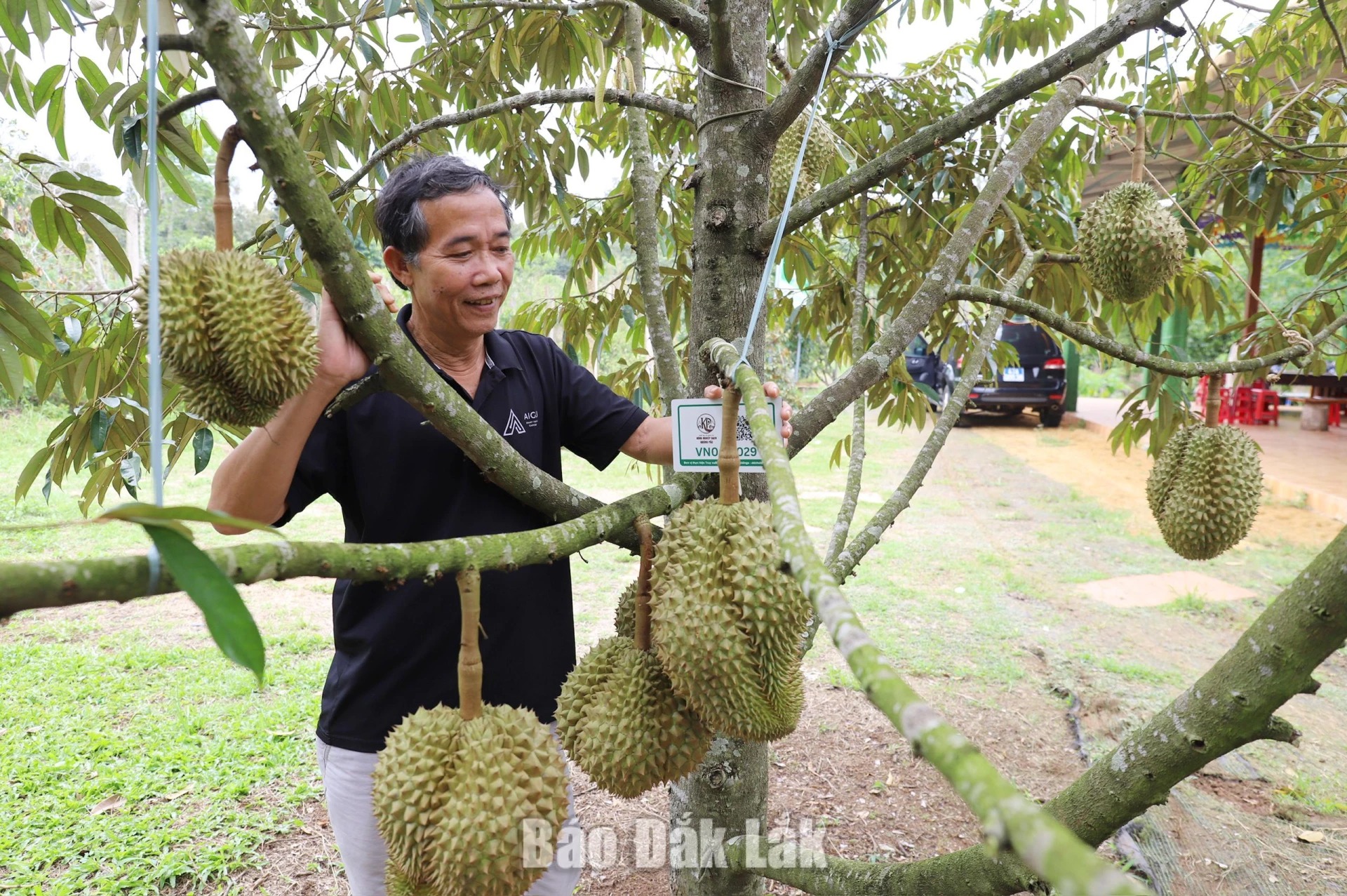
Dak Lak is one of the country’s major agricultural production hubs, benefiting from vast basalt-soil areas in the west and marine economic space in the east. The province has approximately 1.5 million ha of agricultural coupled with forestry land, including more than 824,000 ha of agricultural production land and nearly 540,000 ha of basalt soil, providing a foundation for the development of export-oriented agricultural commodities. Notably, the province has 217,026 ha of coffee, producing 582,113 tonnes; 41,828 ha of durian, with output estimated at around 500,000 tonnes in 2026; as well as 28,400 ha of pepper, 33,700 ha of rubber and 26,400 ha of cashew.
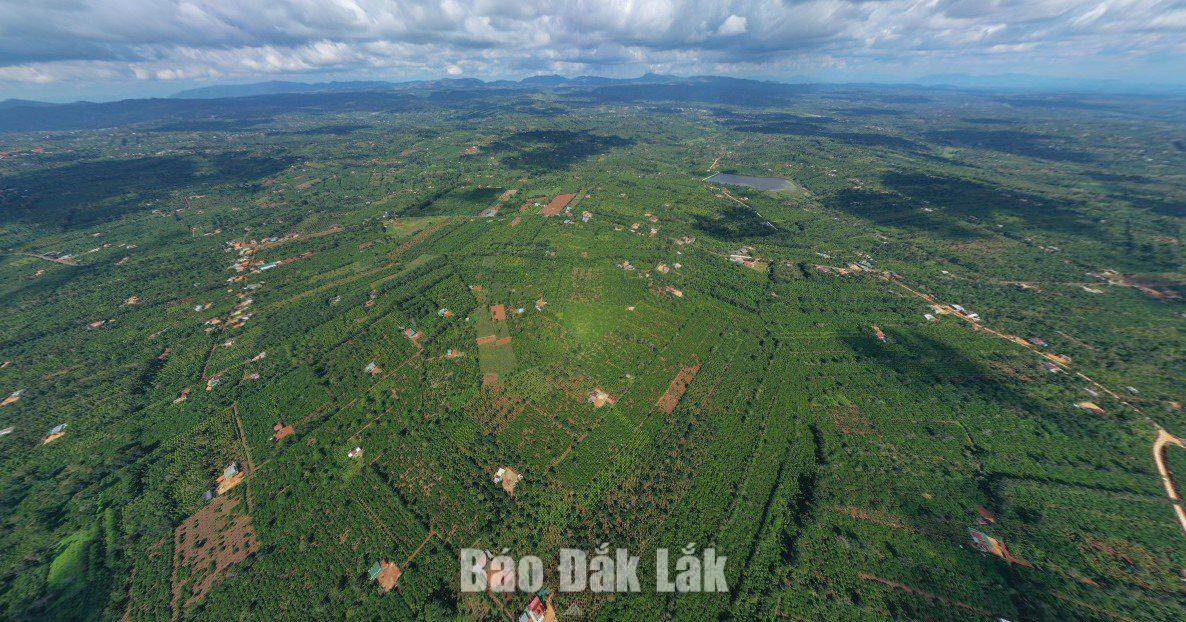 |
| Coffee-growing area in Dak Lak Province. |
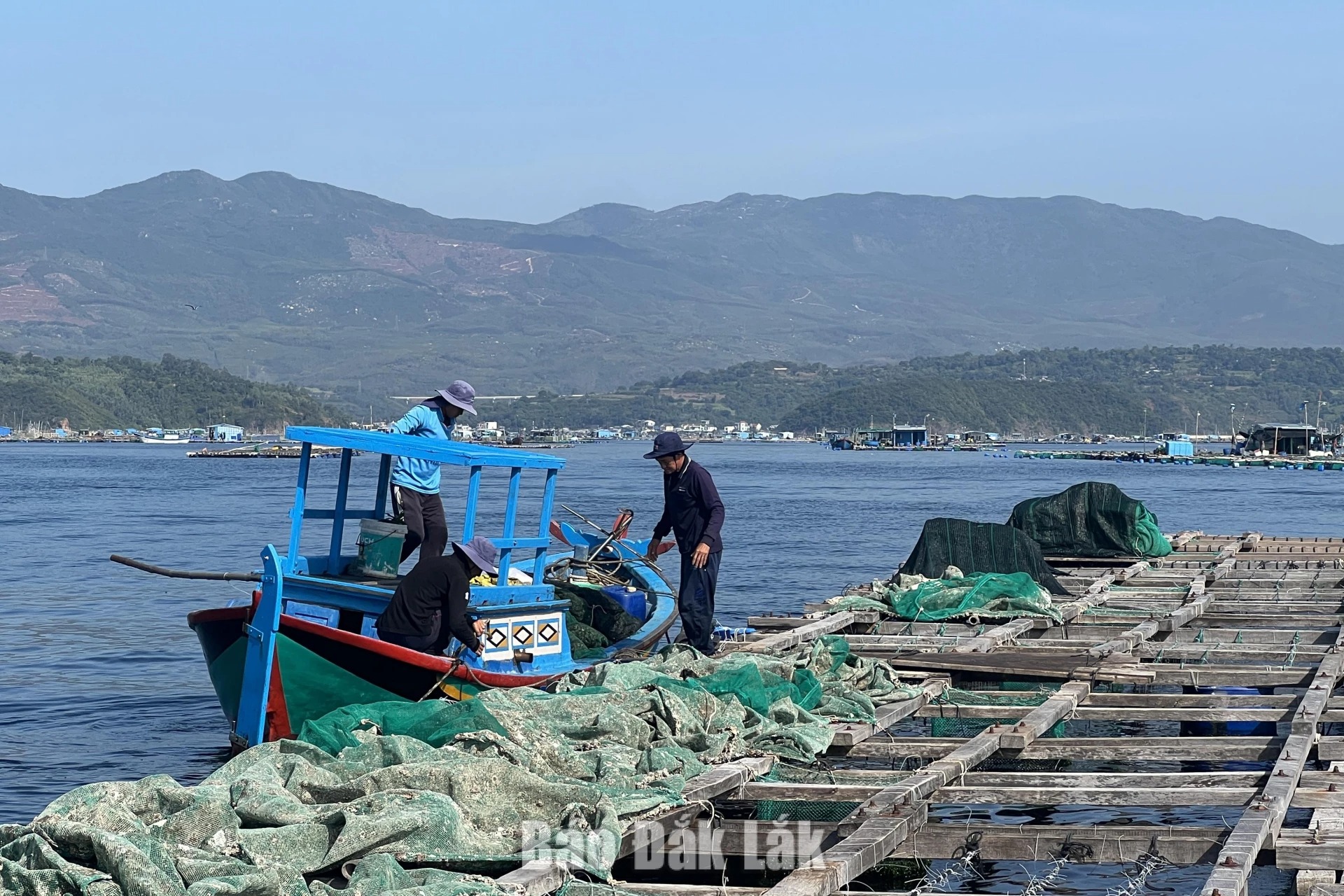
The provincial agricultural space is also diverse, with more than 42,000 ha of inland water surfaces, as well as coastal lagoons and bays, creating favourable conditions for freshwater alongside brackish-water aquaculture and industrial-scale marine farming, while enabling the formation of large-scale supply chains for key products such as lobster, marine fish, cold-water fish and molluscs.
Alternate Member of the Party Central Committee, Deputy Secretary of the Provincial Party Committee and PPC Chairman, comrade Do Huu Huy emphasised that the close links between raw material areas, urban and service centres, combined with marine economic space have enabled Dak Lak to develop closed value chains spanning production, processing, logistics and exports within a unified development space. This represents a distinctive competitive advantage that very few localities nationwide possess.
With this scale of production, Dak Lak has abundant agricultural products, but the value generated remains below its potential. Productivity in some sectors remains modest, value added is limited, and production continues to depend heavily on natural conditions alongside traditional methods. Therefore, reorganising raw material areas has become an urgent requirement.
Strengthening its position as a regional centre
To realise its goal of increasing value, Dak Lak has identified science and technology, digital transformation along with innovation as decisive growth drivers. The Provincial Planning for the 2021 - 2030 period, with a vision towards 2050, sets out the direction of developing the province into a centre for high-tech agriculture, deep processing of agricultural products, logistics and regional services.
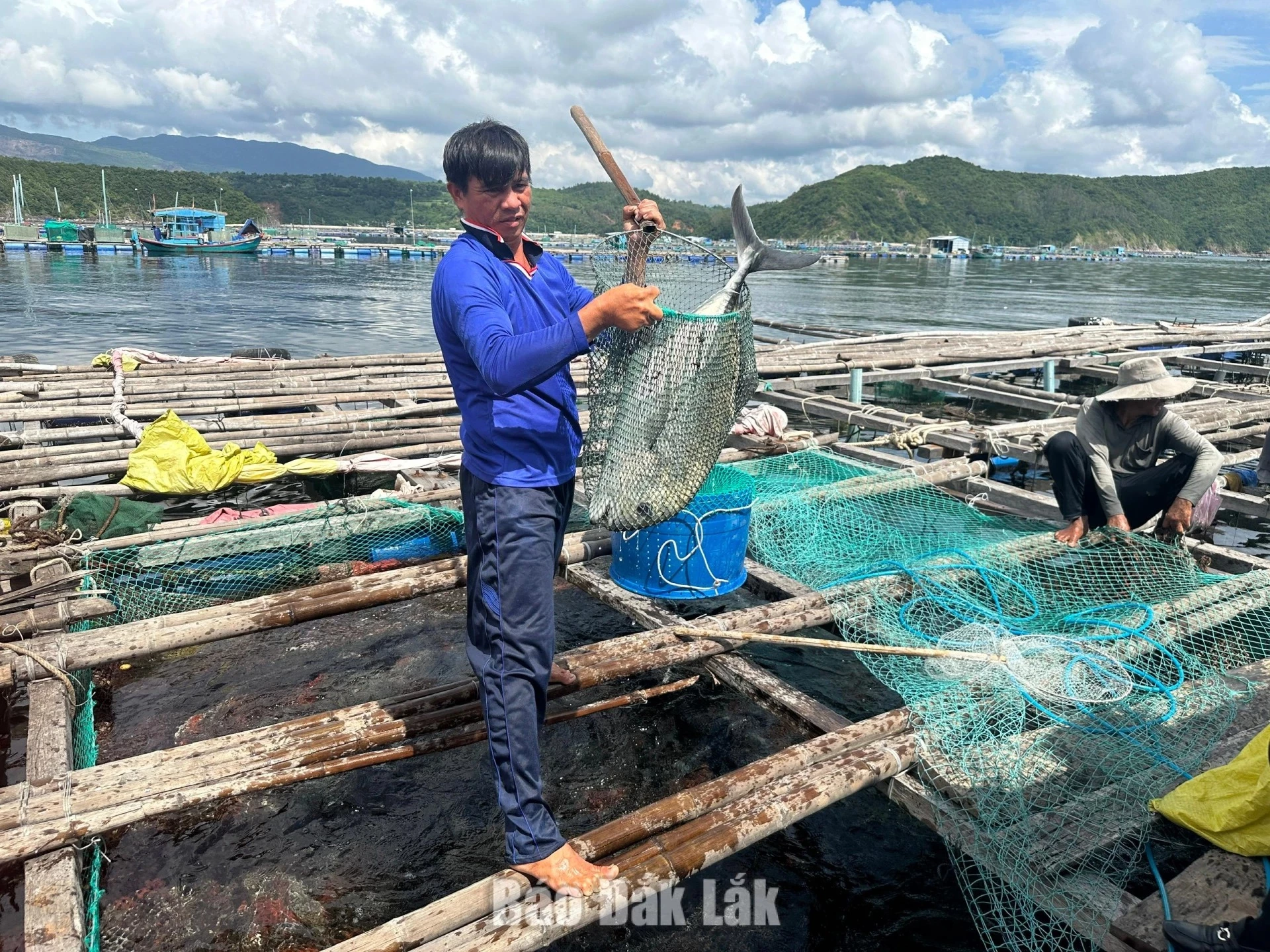 |
| Marine aquaculture is a strength of the provincial eastern area. |
In particular, under the draft scheme on developing the provincial digital economy for the 2026 - 2030 period, with a vision towards 2045, Dak Lak aims for the digital economy to account for at least 30% of GRDP by 2030. By 2045, the digital economy is expected to become the dominant mode of development, accounting for at least 50% of GRDP, with Dak Lak aiming to become a green data and digital services centre for the Central Highlands together with South Central Coast.
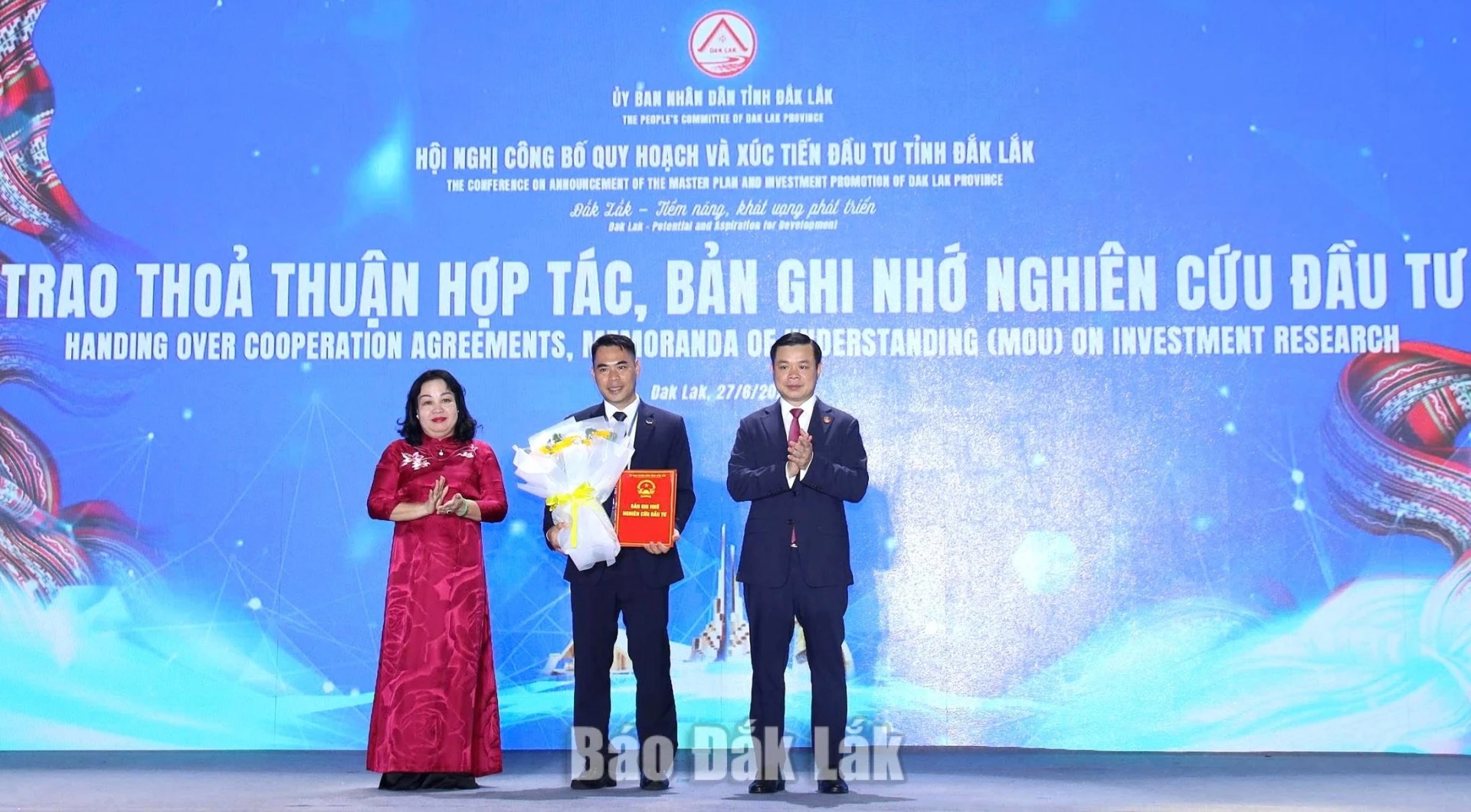
Today, the high-tech application is accelerating across agricultural fields. The province has approximately 15,000 ha under high-tech production, with models ranging from water-saving irrigation and tissue culture to production in line with international standards as well as export-oriented growing areas. In livestock farming, the trend is shifting from small-scale production to farm-scale models. To date, 68 projects have been approved for investment, with total capital exceeding 10.121 trillion VND, of which 28 projects are already operational.
In fisheries, localities are applying biofloc technology, recirculating aquaculture systems (RAS), HDPE cages and integrated multi-trophic aquaculture (IMTA). Digitalisation of farming-area data, the integration of IoT combined with AI for environmental management, and automated feeding systems are being promoted to reduce costs, limit disease along with protect ecosystems.
From an agricultural production hub, Dak Lak is entering a new stage of development. The goal is to establish data-driven production areas, apply technology to improve productivity and quality, as well as develop sufficiently robust processing and logistics systems to increase value, transforming Dak Lak from a province focused primarily on agricultural production to one that organises, coordinates alongside creates additional value across agricultural value chains.
Translated by KHUONG THAO