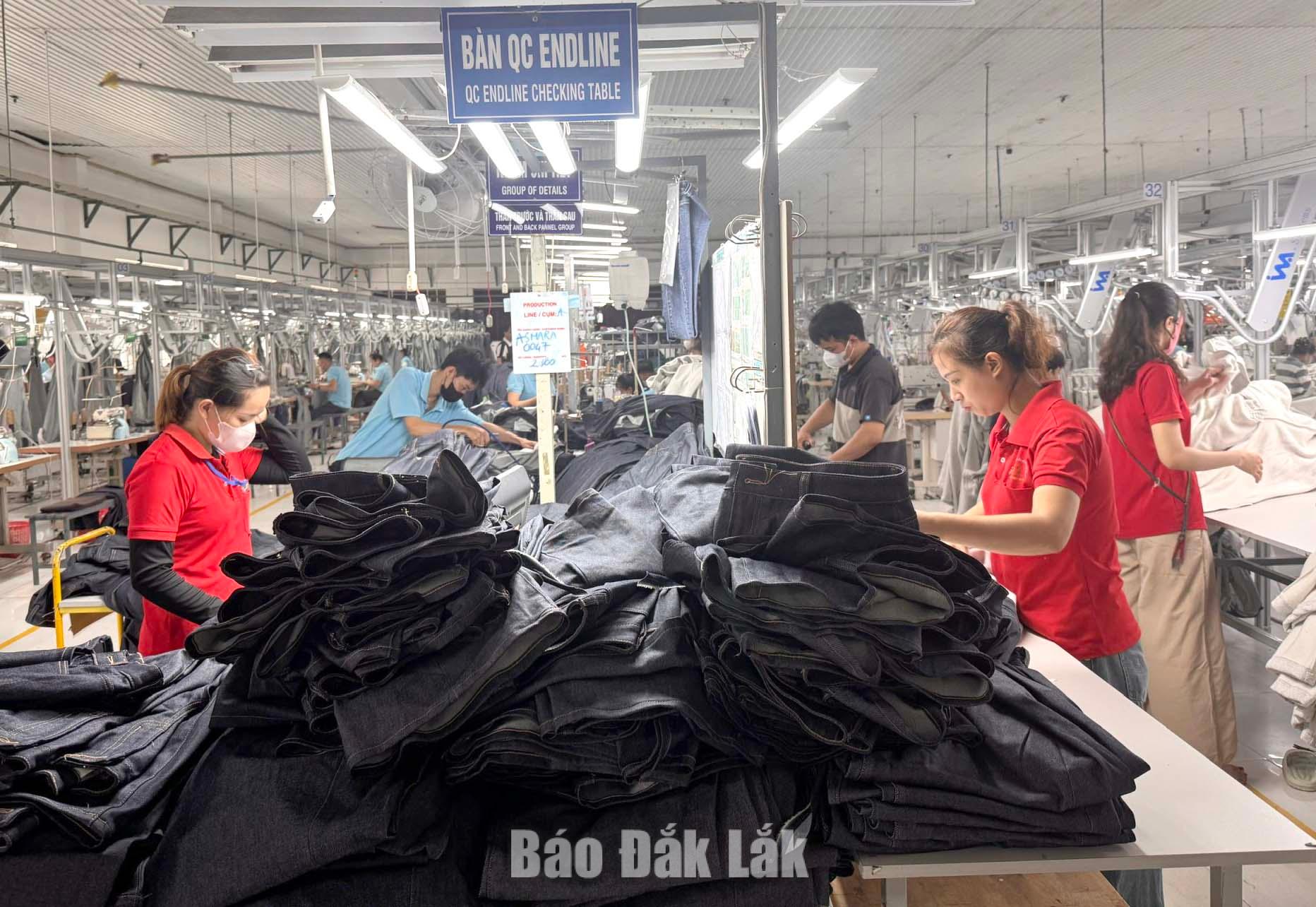
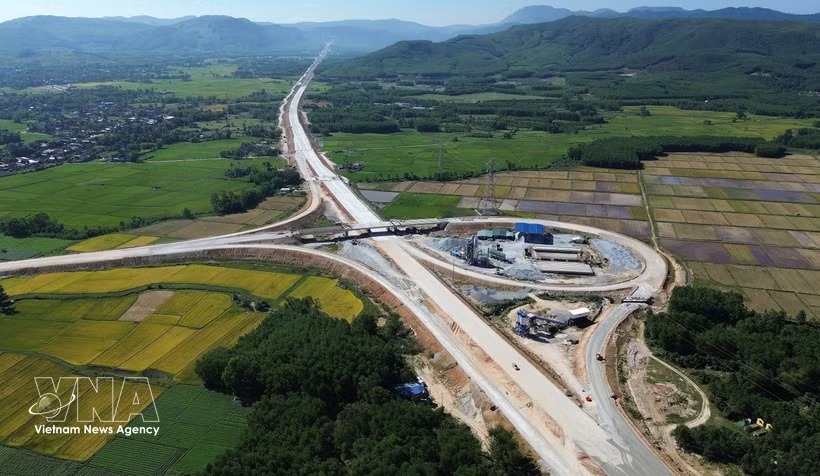
Various solutions for industrial development, aligned with green, circular principles alongside leveraging advantages in agricultural and forestry products together with renewable energy, were proposed at a recent seminar on developing technologies, equipment, products for the environmental industry, as well as models for eco-friendly industrial clusters across the Central and Central Highlands regions.
The Central and Central Highlands regions in general, and Dak Lak province in particular, possess significant advantages in renewable energy combined with agricultural - forestry production and processing. However, industrial growth has generated increasing volume of waste along with by-products, underscoring an urgent need for efficient resource utilization, waste treatment, in conjunction with environmental protection.
Dak Lak province has identified the green coupled with circular economy development alongside the modern environmental technologies as a vital strategic direction. A key task within this strategy is to gradually establish and transform industrial clusters into eco-friendly models; this approach helps improve resource utilization efficiency, reduce waste, as well as foster sustainable development.
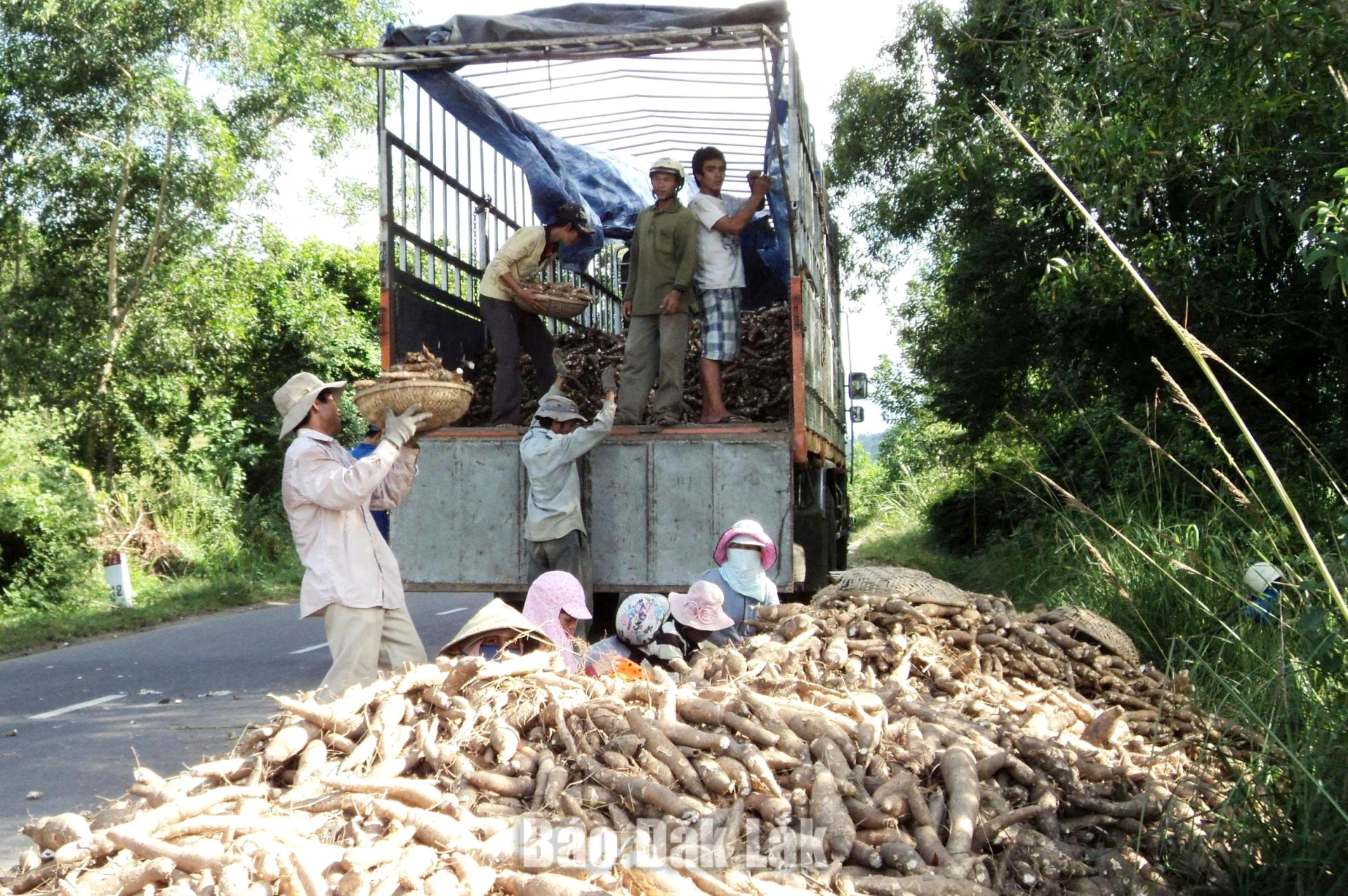 |
| Agricultural by-products from cassava can be utilized to produce various goods, including animal feed, bio-ethanol, bio-energy, along with fertilizers. |
According to Mr. Tran Van Luong, Chairman of the Vietnam Environmental Industry Association, industry together with environmental considerations must be integrated across the entire economy. Dak Lak combined with neighboring provinces boast strengths in the commodities of coffee, durian, cassava, cashews, sugarcane, timber, and various other agricultural products.
Production in coordination with processing activities generate substantial quantities of waste and by-products. If collected, sorted, processed through appropriate technologies, these materials can be repurposed for other manufacturing sectors, thereby reducing waste, enhancing the agricultural - forestry supply chain value. In this context, eco-industrial clusters are not merely hubs for manufacturing facilities; they aim to establish an interconnected system where enterprises can share infrastructure, energy, raw materials, while utilizing each other’s by-products.
Removing infrastructure and technology challenges
For eco-industrial cluster model to operate effectively, priority investment must be directed toward environmental infrastructure coupled with technology. These areas currently represent major bottlenecks for industrial clusters across the Central Highlands region.
Experts suggest developing mechanisms to support investment in shared technical infrastructure, prioritizing the projects that benefit multiple enterprises, including centralized wastewater treatment systems, water supply - drainage networks, by-product collection alongside sorting facilities, energy infrastructure, together with facilities supporting industrial symbiosis.
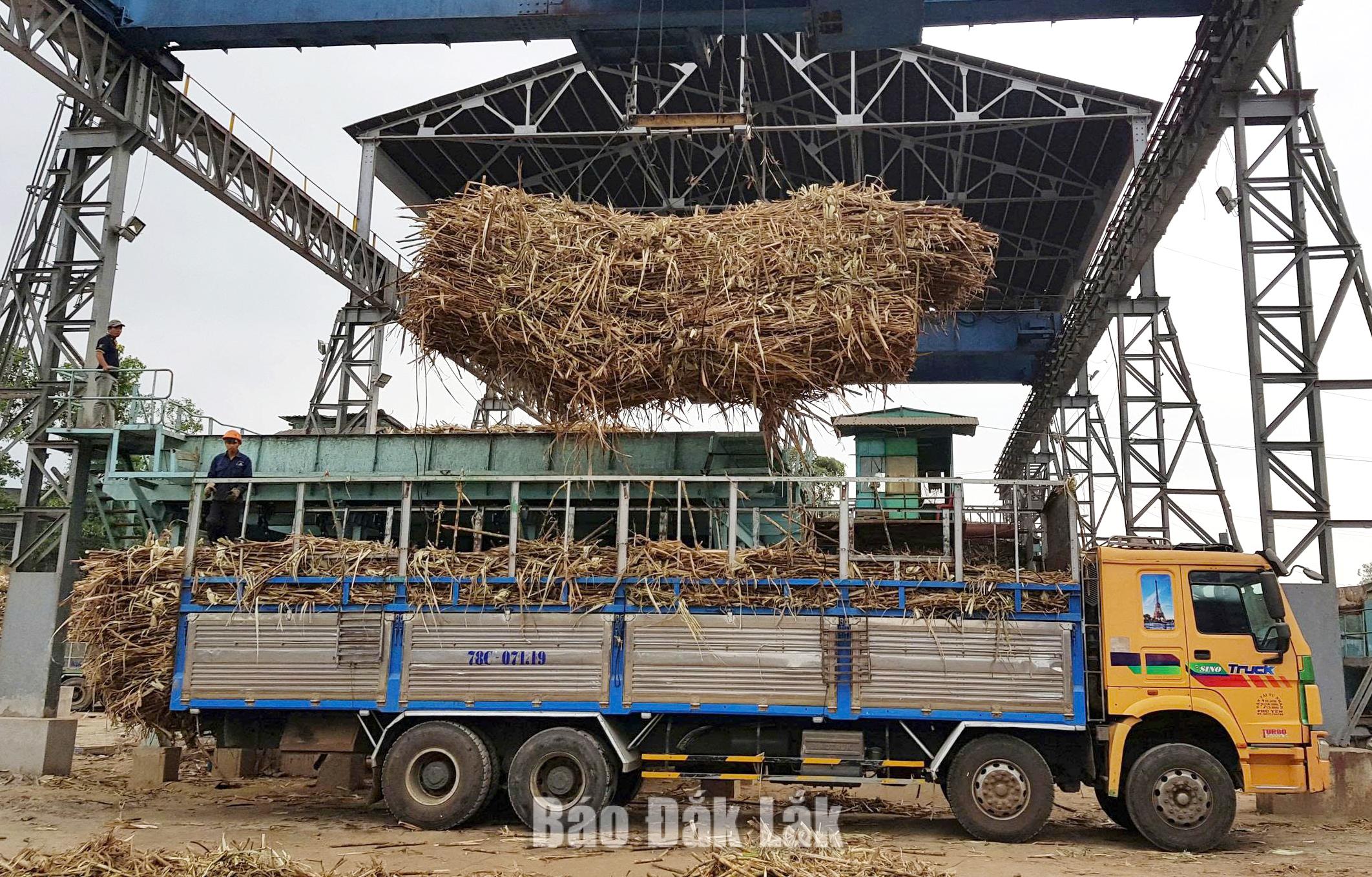 |
| Efficiently utilize agricultural waste alongside by-products. |
Mr. Truong Viet Truong (MSc) from the Industrial Safety Techniques and Environment Agency (Ministry of Industry and Trade) stated that the Ministry is currently finalizing the legal framework, exploring controlled pilot mechanisms for recycling technologies, while fostering the environmental equipment alongside technology market, simultaneously, enhancing connectivity combined with technology transfer.
Comrade Dao My, Dak Lak PPC Vice Chairman, affirmed that the seminar serves as an opportunity to strengthen connections among the State management agencies, local authorities, financial institutions, research institutes, in coordination with the business community. Through this event, Dak Lak and other provinces across the Central - Central Highlands regions will gain a foundation for reorganizing production spaces, promoting the environmental technology application, while mobilizing resources for the green transition. Dak Lak province will continue to support along with foster a favorable environment for credit institutions, research institutes, universities, businesses to invest in, apply environmental technologies, develop clean energy, as well as to research and establish eco-friendly industrial cluster models province-wide.
Translated by TRINH THUY