While the agreement awaits entry into force, businesses are recommended to review tariff schedules, product-specific origin requirements, the costs of origin certification, quality testing and compliance with importers’ standards. Early preparation will help them make effective use of the new opportunities.
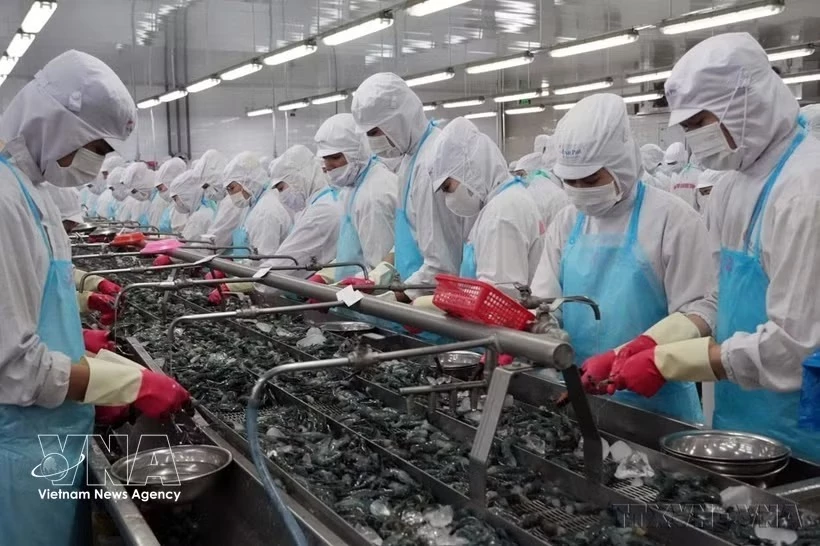 |
| The fisheries sector is among those expected to benefit significantly when VEFTA takes effect. (Photo: VNA) |
The free trade agreement between Viet Nam and the European Free Trade Association (VEFTA) is expected to expand Vietnamese goods’ access to markets with strong purchasing power through tariff cuts and trade facilitation, provided businesses meet rules of origin, quality standards, traceability and sustainability requirements to turn these preferences into export orders.
Expanding access to high-purchasing-power markets
Viet Nam and EFTA, comprising Switzerland, Norway, Iceland and Liechtenstein, officially signed VEFTA on October 18 after more than a decade of negotiations spanning 21 rounds.
With around 15 million people and strong purchasing power, EFTA offers great potential for Vietnamese exports. The Ministry of Industry and Trade (MOIT) reported that bilateral trade reached 4.8 billion EUR (nearly 5.4 billion USD) in 2025, with Viet Nam posting a surplus of 2.5 billion EUR.
Viet Nam’s key exports to the bloc include aquatic products, textiles and garments, footwear, machinery, electronics and components. Tariff preferences will improve their price competitiveness and help diversify export markets. For agricultural products, market access will follow agreed schedules that take account of each party’s trade interests and sensitivities.
Meanwhile, major EFTA exports, including cheese, coffee, chocolate, baby food and dietary supplements, will enjoy zero tariffs in Viet Nam under a schedule of up to 16 years. EFTA will also grant Viet Nam preferences equivalent to those in the bloc’s recently signed FTAs.
Swiss Ambassador to Viet Nam Thomas Gass said VEFTA will create opportunities for Vietnamese goods such as coffee, fruit, agricultural products and textiles to gain easier access to markets with high quality and sustainability requirements. It will also encourage businesses to compete by higher quality and added value rather than price alone, and better meet buyers’ requirements.
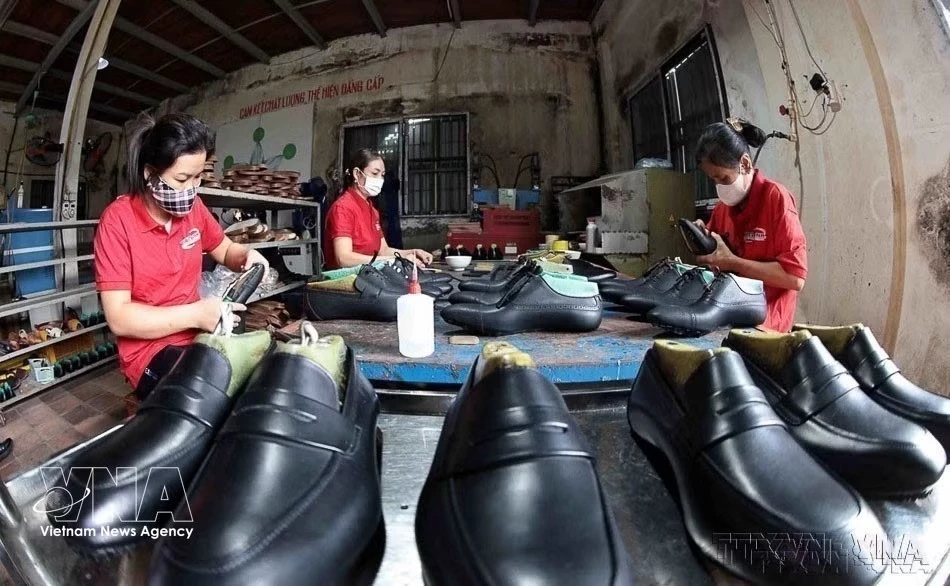 |
| Producing foodwear for export (Photo: VNA) |
Tariff preferences must go hand in hand with rules of origin
Under VEFTA, EFTA will immediately eliminate import duties on covered Vietnamese-origin industrial and aquatic products once it takes effect, thus boosting their competitiveness in the bloc’s markets.
Viet Nam, in turn, will eliminate or reduce tariffs on most EFTA industrial and aquatic products according to agreed schedules, with some reductions extending over 11 years. Agricultural market access will depend on the specific commitments for each product group.
Rules of origin are equally important for businesses to qualify for tariff preferences. VEFTA allows expanded cumulation for certain non-agricultural materials originating in ASEAN or the European Union, subject to specified conditions. This could provide greater flexibility in sourcing input materials, depending on each product’s eligibility.
While the agreement awaits entry into force, businesses are recommended to review tariff schedules, product-specific origin requirements, the costs of origin certification, quality testing and compliance with importers’ standards. Early preparation will help them make effective use of the new opportunities.
Norwegian Ambassador to Viet Nam Stein Iversen advised businesses, particularly small- and medium-sized enterprises (SMEs), to study tariff commitments, rules of origin and market-access conditions while improving product quality, traceability and production sustainability.
Ngo Chung Khanh, Deputy Director of the MOIT’s Department of Foreign Market Development and Multilateral Trade, said the agreement’s effectiveness should be measured not only by tariff cuts but also by actual export contracts, technology transfer and benefits for businesses and people. Zero tariffs will bring little benefit if products fail to meet technical, food safety, sustainability or origin requirements.
Implementing commitments to turn opportunities into orders
As VEFTA must undergo ratification before taking effect, preparations are crucial to finalising the legal framework, disseminating commitments and helping businesses make effective use of the agreement.
Minister of Industry and Trade Le Manh Hung said the ministry will coordinate with relevant agencies to submit an implementation plan and necessary legal documents to competent authorities, aiming to complete ratification and bring the agreement into force as soon as possible.
Businesses also need clear guidance on tariff schedules, origin certification and market standards, with information tailored to different groups, particularly SMEs with limited resources and experience in demanding markets, he said.
To support enforcement, the MOIT is completing an FTA management and implementation system comprising three pillars: the FTA Portal for public service data, the FTA Implementation Index for localities (FTA Index), and the FTA Ecosystem to strengthen links among stakeholders across value chains.
VNA